



The ICT scalping approach provides traders with a systematic framework for capitalizing on short-term price movements within forex education and trading strategies. By combining liquidity analysis with Optimal Trade Entry (OTE) principles, this strategy offers precise entry and exit points in fast-moving markets.
TP & SL Tool: Risk Reward Ratio Calculator RRR MT4 | Prop Firm Protector: Trade Assist Prop Firm Plus TF Expert MT4 | Money Management + DrawDown Protector: Trade Panel Prop Firm Drawdawn Limiter Pro MT4 |Get a free Expert Advisor license via Telegram and WhatsApp
Developing a Scalping Strategy in the ICT Method
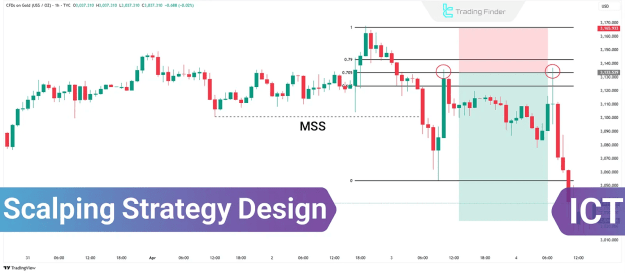
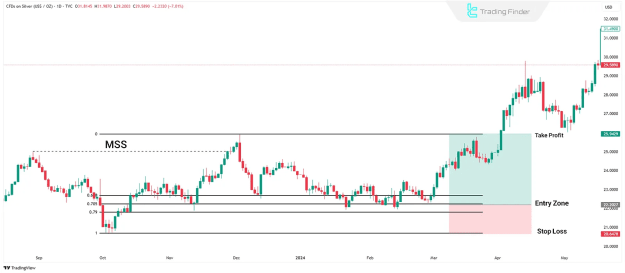
Scalping Strategy Using OTE Levels
To design an effective ICT scalping model, traders must establish three essential components:
TP & SL Tool: Risk Reward Ratio Calculator RRR MT4 | Prop Firm Protector: Trade Assist Prop Firm Plus TF Expert MT4 | Money Management + DrawDown Protector: Trade Panel Prop Firm Drawdawn Limiter Pro MT4 |Get a free Expert Advisor license via Telegram and WhatsApp
Developing a Scalping Strategy in the ICT Method
Scalping Strategy Using OTE Levels
To design an effective ICT scalping model, traders must establish three essential components:
- Entry Conditions
- Stop Loss Placement
- Exit Points (T'
- Enhances risk-to-reward ratios
- Suitable for integration into algorithmic trading systems
- Allows flexible parameter adjustments
- Ideal for trading in volatile market conditions
- Minimises time spent in losing trades
- Utilises multiple confirmations to validate entries
Disadvantages
- Requires continuous chart monitoring
- Highly sensitive to market noise
- Complex to set up initially
- Less effective on higher timeframes
- Demands significant trader experience
- May miss Take Profit targets due to minor fluctuations
- Necessitates rapid analysis and decision-making
Formation of the ICT Scalping Model
The ICT scalping model is formed through the following process:
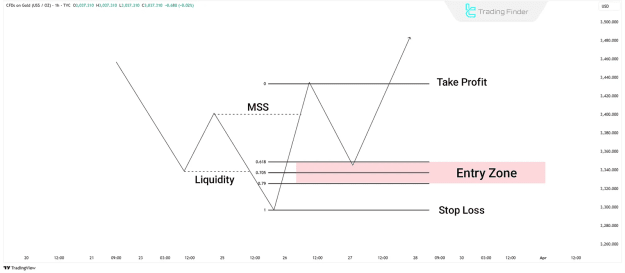
- Identify a short-term high or low where price aggressively breaks (Displacement Move) before retracing
- Determine the OTE zone when price returns to the displacement area
- Place the Stop Loss below or above the previous pivot, depending on trade direction
- Set the initial target at the opposite structural level
Bullish ICT Scalping Example
On a 1-minute USDCHF chart:
- Identify recent highs and lows as liquidity points
- Observe price breaking below a recent low, collecting liquidity viewed as support
- Confirm a strong upward displacement following liquidity collection
- Identify a Market Structure Shift (MSS) as price breaks the previous high
- Apply Fibonacci retracement (OTE settings) to the displacement leg
- Enter between the 0.62 and 0.79 Fibonacci levels, set Stop Loss below the recent low, and place the first Take Profit at the new high
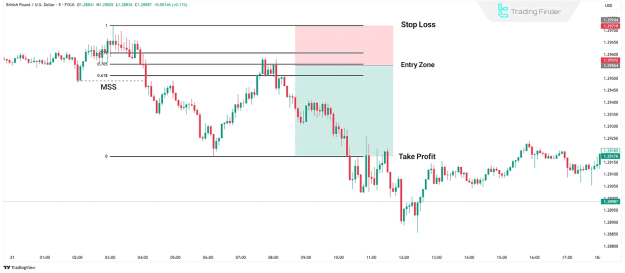
Bearish ICT Scalping Example
On a 1-minute GBPUSD chart:
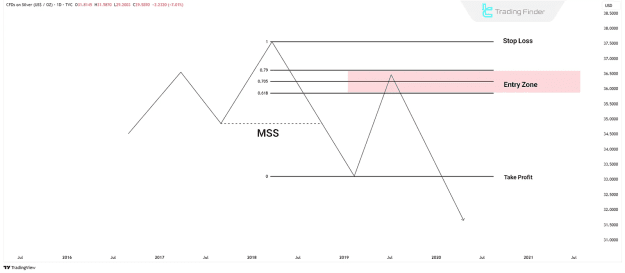
- Identify recent highs and lows as liquidity levels
- Observe price breaking above a recent high, collecting liquidity viewed as resistance
- Confirm a strong downward displacement following liquidity collection
- Identify a Market Structure Shift (MSS) as price breaks the previous low
- Apply Fibonacci retracement (OTE settings) to the displacement leg
- Enter between the 0.62 and 0.79 Fibonacci levels, set Stop Loss above the recent high, and place the initial Take Profit at the new low
Conclusion
The ICT scalping strategy focuses on identifying key market points such as liquidity raids and Optimal Trade Entry (OTE) zones. Defining clear entry conditions, Stop Loss placements, and exit targets enables traders to conduct precise short-term market analysis. Its core strength lies in accurate OTE entry identification and structured exit decisions based on market structure shifts.
Attached Image(s) (click to enlarge)
Attached File(s)
