

Prop Firm DrawDown Protector : Prop Firm Capital Protection Expert MT5 |Forex Money Management: Forex Trade Management Expert MT5 | ICT Concepts Indicator MT5 |Smart Money Concepts Expert MT5 | Smart Money Trap Scanner | Get a free Expert Advisor license via Telegram and WhatsApp
What Is Backtesting?
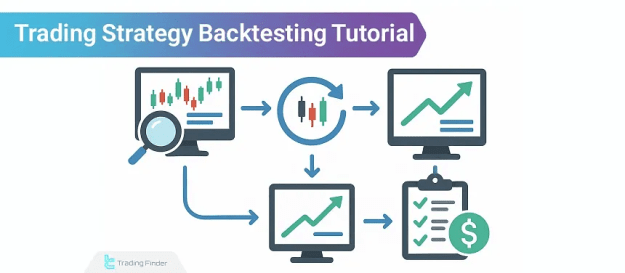
Backtesting involves applying a strategy to historical price data to see how well it would have performed. It helps traders review system logic, validate risk parameters, and detect strengths or weaknesses.
Advantages of Backtesting
- Evaluates profitability and risk characteristics
- Highlights strong and weak parts of a system
- Allows optimization of rules and parameters
- Saves time by simulating trades
- Builds confidence before live execution
Limitations of Backtesting
- Past results don’t guarantee future outcomes
- Risk of overfitting or curve-fitting
- Real-world factors like slippage, spread, and liquidity may be overlooked
- Results depend on data quality
- Doesn’t account for trader behavior or execution mistakes
How to Backtest a Strategy: 5 Steps
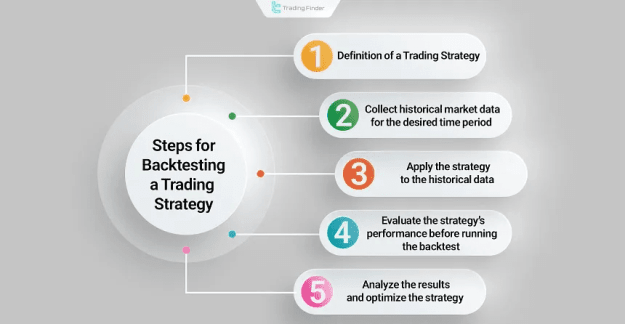
1. Define the Strategy
Document indicators, timeframes, entry/exit rules, and position sizing to ensure consistent testing.
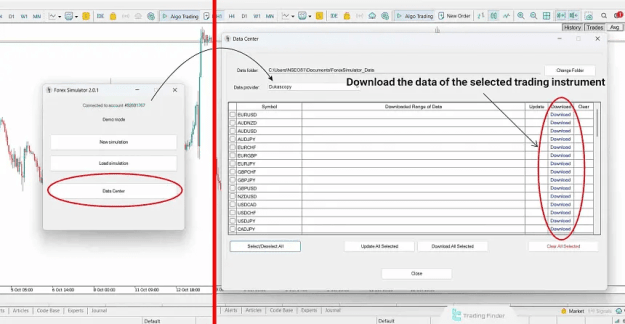
2. Collect Historical Price Data
Use accurate, high-quality data for the asset to ensure reliable results.
3. Apply the Strategy
Conduct manual or automated simulations. TradingView and MetaTrader provide tools for detailed backtesting.
4. Evaluate the Results
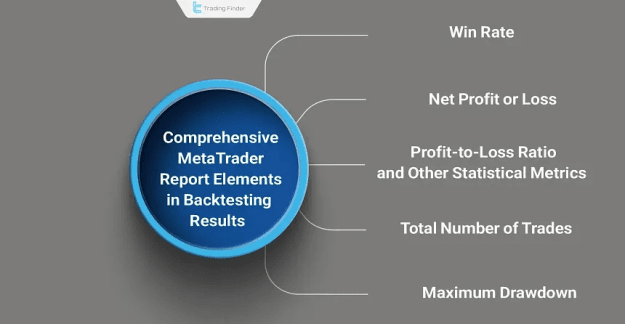
Focus on key metrics:
- Win rate
- Profit factor
- Maximum drawdown
- Average return
- Risk-to-reward ratio
5. Optimize and Re-test
Adjust parameters based on results and repeat testing to confirm improvements.
Backtesting vs. Forward Testing
Backtesting uses historical data, while forward testing evaluates performance in real-time or a demo environment. Both phases are important for full validation.
Key Requirements for Reliable Backtesting
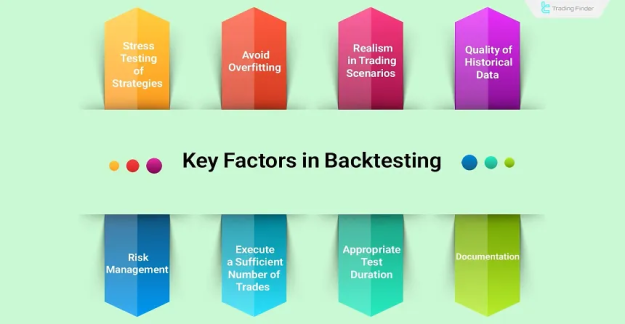
- High-quality and complete data
- Realistic fees, spread, and slippage
- Avoiding over-optimization
- Adequate sample size
- Testing across different market conditions
- Documented rules and strong risk management
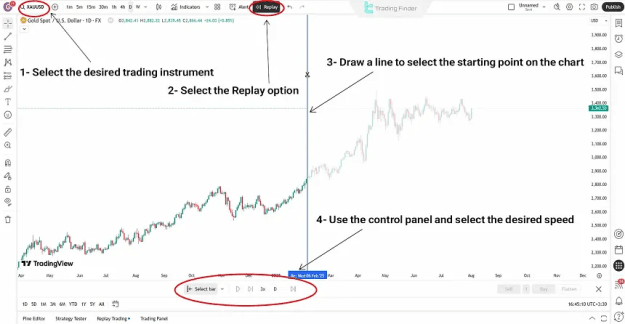
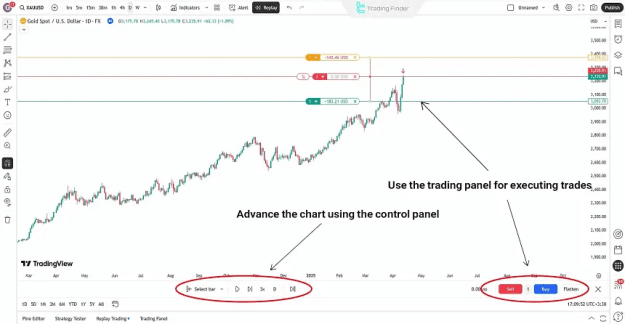
Manual Backtesting in TradingView
TradingView’s Bar Replay feature allows candle-by-candle simulation without coding, helping traders practice decision-making in historical environments.
Automated Backtesting in MetaTrader
MetaTrader’s Strategy Tester runs automated simulations, visual trade reviews, and performance reports. Ideal for testing Expert Advisors and indicator-based systems.
Advanced Backtesting Methods
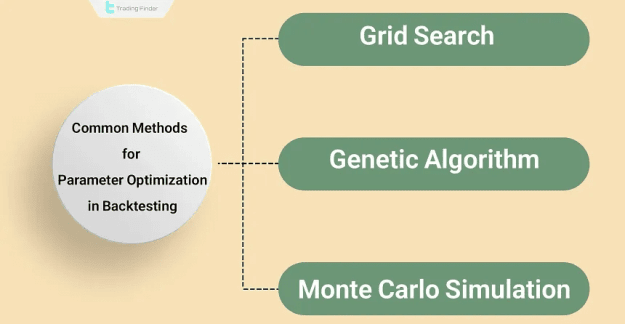
- Parameter optimization (grid search, genetic algorithms)
- Monte Carlo simulations
- Walk-Forward Analysis to reduce overfitting
- Out-of-sample testing for unbiased confirmation
Example: EMA Crossover Backtest
A 20/50 EMA crossover test on EUR/USD (Jan 2022–Jan 2023) showed strong overall performance with moderate drawdown and a stable risk-to-reward profile. Parameter adjustments improved consistency and returns.
Common Backtesting Mistakes
- Using incomplete or inaccurate data
- Ignoring spread, slippage, or fees
- Excessive curve-fitting
- Testing only one market condition
- Overlooking psychological or real-time factors
Conclusion
Backtesting is a core element in developing and validating trading strategies. When combined with forward testing, stress-testing, and strong risk management, it becomes a powerful tool for building structured and reliable trading systems.