

Prop Firm DrawDown Protector : Prop Firm Capital Protection Expert MT5 | Forex Money Management: Forex Trade Management Expert MT5 | ICT Concepts Indicator MT5 |Smart Money Concepts Expert MT5 |Get a free Expert Advisor license via Telegram and WhatsApp
What is Margin Trading?
Margin Trading, also known as trading on margin, is the practice of borrowing funds from a broker or a cryptocurrency exchange to buy or sell financial assets such as cryptocurrencies, stocks, or other instruments. Traders are required to repay the borrowed amount by a specified date, along with any agreed-upon interest.
Types of Margin Trades
Margin trades can be executed as either long or short positions, depending on the trader's market outlook:
- Long Position: This involves using borrowed funds to purchase an asset with the expectation that its price will increase.
- Short Position: This entails selling a borrowed asset with the anticipation that its price will drop, allowing the trader to buy it back at a lower price later.
Margin Trading Calculations
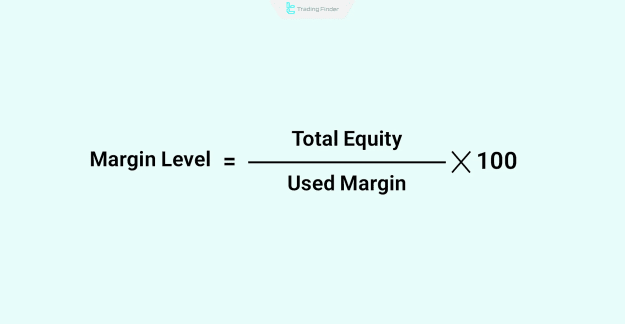
The Margin Level is a critical metric used in margin trading to perform percentage-based calculations. This value determines whether a trading account is eligible to receive margin and is calculated using the following formula:
Margin Level = (Total Equity / Used Margin) x 100
The Concept of Leverage in Margin Trading
In the context of margin trading, leverage is achieved by depositing a portion of the total trade value as collateral. This required deposit is referred to as the margin. The margin represents the difference between the total value of the investment and the amount that has been loaned. Leverage, therefore, is the ratio between the borrowed funds and the trader’s own capital.
- Example: With a 3x leverage ratio, a trader can execute a $3 trade for every $1 of their personal capital. While this amplifies potential profits, it is crucial to recognize that it also magnifies potential losses.
Advantages and Disadvantages of Margin Trading
Using margin trading to increase capital amplifies both potential profits and inherent risks. Below is a summary of the key advantages and disadvantages of this trading strategy:
Advantages
- Access to leverage for larger positions.
- Increased potential for significant profits.
- Flexible repayment terms for loans.
Disadvantages
- Requirement to pay interest to the broker or exchange.
- Risk of a margin call, which can lead to forced liquidation.
- A higher probability of substantial losses due to magnified risk.
Differences Between Margin, Futures, and Spot Trading
Margin, futures, and spot trading are three distinct trading methods in financial markets:
- Margin Trading: Utilizes loans to buy or sell assets.
- Futures Trading: Involves trading contracts that are based on an asset's future price without the physical exchange of the asset itself.
- Spot Trading: The direct buying and selling of actual assets for immediate delivery.
Key Tips for Margin Trading
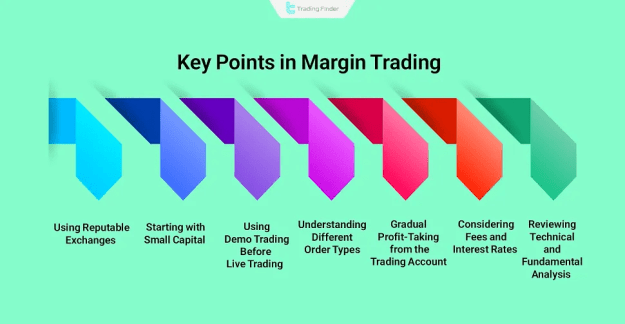
Successfully engaging in margin trading requires a careful approach to avoid significant losses. Consider these essential tips:
- Utilize trusted and reputable exchanges or brokers.
- Begin with a small amount of capital to mitigate risk.
- Practice with a demo trading account before committing real funds.
- Develop a solid understanding of different order types.
- Incrementally withdraw profits to secure your gains.
- Consistently monitor interest rates and trading fees.
- Combine both technical and fundamental analysis to inform your decisions.
Common Terminology in Margin Trading
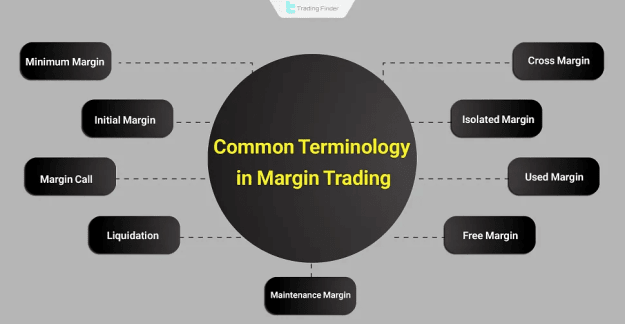
A firm grasp of the following terminology is essential for effectively navigating margin trading platforms:
- Minimum Margin: The initial deposit required to open a margin account, which varies by platform.
- Initial Margin: The cash portion of the asset's purchase price paid at the time of the trade.
- Maintenance Margin: The minimum balance that must be maintained in the account after a trade. Falling below this level triggers a margin call.
- Margin Call: An event triggered when an account's balance drops below the maintenance margin, often leading to the forced closing of positions.
- Liquidation: The forced closure of a trader's positions by the exchange or broker to recover the loaned amount.
- Free Margin: The available funds in the account that can be used for new trades or withdrawal.
- Used Margin: The capital that has already been allocated to open trades.
- Isolated Margin: Funds that are assigned exclusively to a single, specific position.
- Cross Margin: A system where all positions in an account draw from a shared pool of margin.
Best Platforms for Margin Trading
Choosing a secure and reliable platform is a critical step for margin trading. Here are some top recommendations for different asset classes:
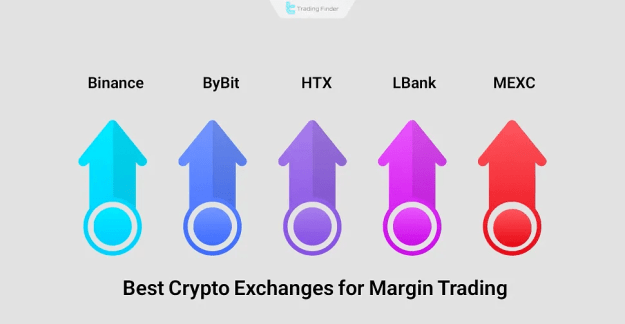
Best Crypto Exchanges for Margin Trading
- Binance
- ByBit
- HTX
- LBank
- MEXC
Best Brokers for Margin Trading
For stock market traders, selecting the right margin broker based on security, commissions, spreads, and platform quality is vital.
- IG Broker
- Interactive Brokers
- Saxo Bank
- CMC Markets
- TD Ameritrade
Conclusion
Margin Trading offers traders the opportunity to borrow capital from brokers or crypto exchanges to execute larger trades and potentially amplify profits. However, this amplified capital directly corresponds to increased risk, making it a less suitable option for beginner traders. A comprehensive understanding of the mechanics, tools, key terminology, and platform selection is paramount for achieving success in this complex trading strategy.