

This strategy demands real-time market analysis, rapid decision-making, and strict discipline. In forex education, traders are taught to manage emotions effectively, adhere to risk management rules, and maintain consistency to succeed in scalping.
TP & SL Tool: Risk Reward Ratio Calculator RRR MT4 | Prop Firm Protector: Trade Assist Prop Firm Plus TF Expert MT4 | Money Management + DrawDown Protector: Trade Panel Prop Firm Drawdawn Limiter Pro MT4 |Get a free Expert Advisor license via Telegram and WhatsApp
Key Characteristics of Scalping
- Ultra-Short-Term Trades: Positions last from seconds to a few minutes.
- High Trade Volume: Large position sizes amplify small price movements.
- Frequent Trades: Multiple entries and exits within a single trading session.
- Focus on Micro-Movements: Profiting from rapid price fluctuations rather than long-term trends.
Advantages and Disadvantages of Scalping
Advantages
- Lower exposure to long-term market risks.
- More trading opportunities in a condensed time frame.
- Ability to profit in low-volatility markets.
- Reduced impact from macroeconomic news.
- No need for substantial capital to start.
Disadvantages
- High transaction costs due to frequent trades.
- Requires constant market monitoring.
- Demands extreme precision in execution.
- Time-consuming and mentally exhausting.
- Some brokers prohibit scalping strategies.
Essential Principles of Scalping
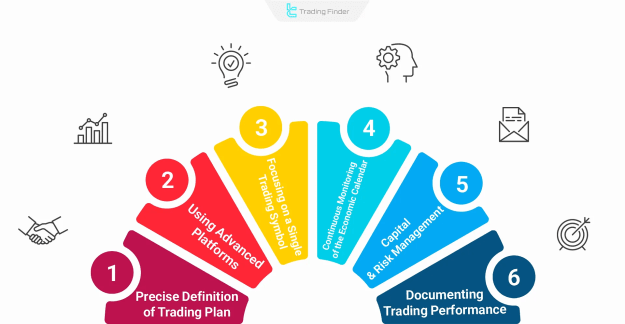
To execute scalping effectively, traders must follow these core principles:
- Clear Trading Plan: Define entry, exit, stop-loss, and take-profit levels before trading.
- Fast Execution Platform: Use advanced platforms like MetaTrader 4/5 or TradingView.
- Focus on Specific Assets: Master a few instruments for better predictability.
- Monitor Economic Events: Stay updated with news that triggers volatility.
- Strict Risk Management: Limit risk per trade (e.g., 1% of capital).
- Trade Journaling: Record trades to refine strategies over time.
Types of Scalping Strategies
- News-Based Scalping: Exploits volatility from economic data releases.
- Liquidity-Based Scalping: Targets assets with tight spreads and high liquidity.
- Algorithmic Scalping: Uses automated bots for ultra-fast executions.
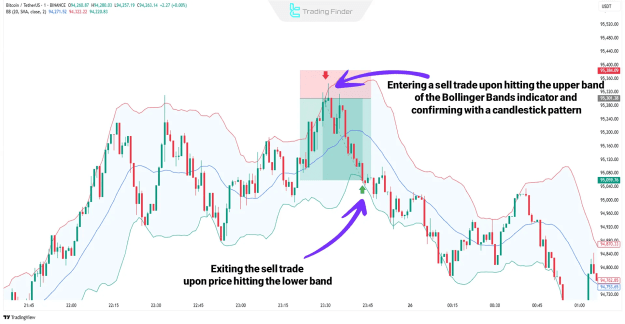
- Technical Scalping: Relies on indicators like EMA, RSI, and Bollinger Bands.
- Trend-Following Scalping: Trades in the direction of short-term momentum.
- Tick Scalping: Focuses on the smallest price increments (ticks).
Best Markets for Scalping
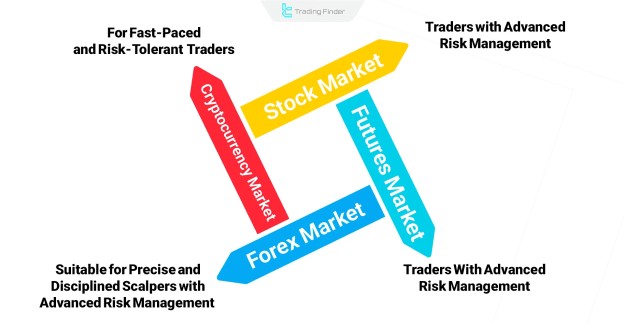
1. Forex Scalping
- High liquidity in major pairs (EUR/USD, GBP/USD).
- Low spreads enhance profitability.
- Sensitive to economic news releases.
2. Crypto Scalping
- 24/7 market availability.
- Extreme volatility in coins like BTC and ETH.
- Requires quick reactions to sudden price swings.
3. Stock Scalping
- Limited to exchange hours.
- Best for high-liquidity stocks.
- High fees can reduce net profits.
4. Futures Scalping
- High leverage allows larger positions.
- Fast price movements in indices (S&P 500, NASDAQ).
- Risk of liquidation if leverage is mismanaged.
Psychology of Scalping
- Emotional Control: Avoid fear and greed-driven decisions.
- Quick Decision-Making: Hesitation leads to missed opportunities.
- Stress Management: Take breaks to prevent burnout.
- Discipline: Stick to the trading plan without deviations.
- Statistical Mindset: Accept losses as part of the strategy.
Optimal Time Frames for Scalping
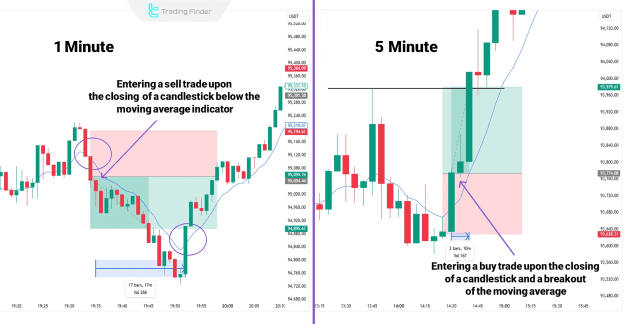
- Primary: 1-minute and 5-minute charts for rapid entries.
- Secondary: 30-minute and 1-hour charts for trend confirmation.
- Best Trading Sessions: London & New York overlap, high-impact news times.
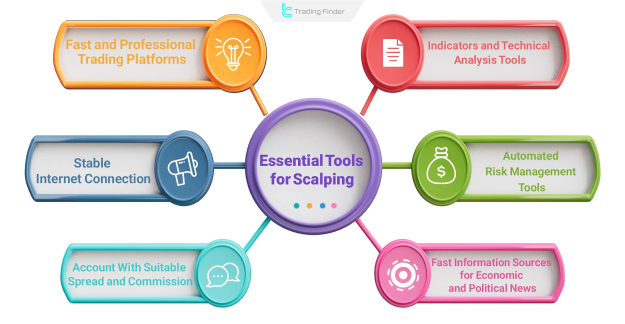
Essential Tools for Scalping
- Fast Trading Platform (MetaTrader, cTrader).
- Low-Latency Internet Connection.
- Tight-Spread Broker.
- Real-Time News Feed.
- Technical Indicators (EMA, RSI, MACD, Bollinger Bands).
Risk Management in Scalping
- Risk Only 1% Per Trade.
- Use Tight Stop-Loss Orders.
- Maintain a Favorable Risk-Reward Ratio (1:1 or higher).
- Avoid Over-Trading (3-5 trades per day max).
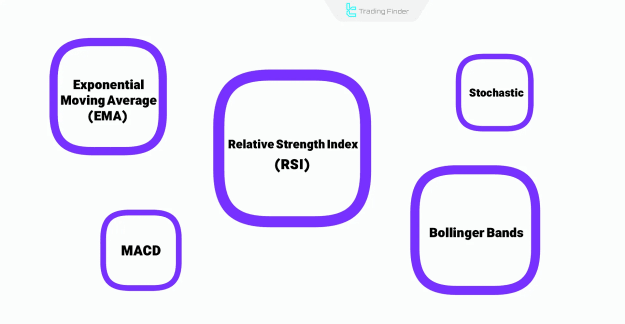
Best Indicators for Scalping
- Exponential Moving Average (EMA): Identifies short-term trends.
- Relative Strength Index (RSI): Detects overbought/oversold conditions.
- Stochastic Oscillator: Signals potential reversals.
- Bollinger Bands: Highlights volatility breakouts.
- MACD: Confirms momentum shifts.
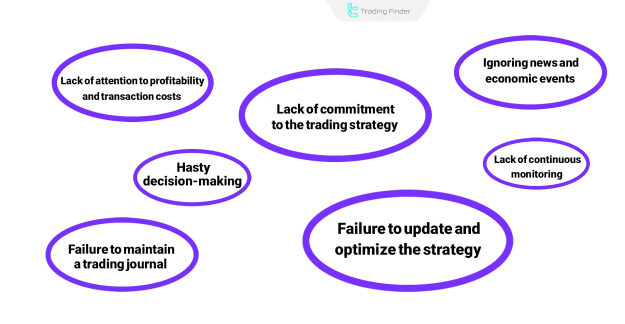
Common Scalping Mistakes to Avoid
- Ignoring transaction costs (spreads, commissions).
- Emotional trading and lack of discipline.
- Overtrading and poor risk management.
- Failing to adapt strategies based on performance.
- Neglecting economic calendar events.
Final Thoughts
Scalping is a demanding yet rewarding strategy for traders who thrive in fast-paced environments. Success depends on precision, discipline, and robust risk management. By mastering the right techniques and avoiding common pitfalls, scalpers can achieve consistent profits in various financial markets.