

TP & SL Tool: Risk Reward Ratio Calculator RRR MT5 | Prop Firm Protector: Trade Assist Prop Firm Plus TF Expert MT5 | Money Management + DrawDown Protector: Trade Panel Prop Firm Drawdawn Limiter Pro MT5 |Get a free Expert Advisor license via Telegram and WhatsApp
Understanding Timeframes in Financial Markets
A timeframe represents the duration each candlestick or bar on a chart covers, illustrating price movement over that specific period. While any time span can be utilized, commonly accepted timeframes in markets like Forex include:
- 5-Minute Timeframe (M5)
- 15-Minute Timeframe (M15)
- 1-Hour Timeframe (H1)
- 4-Hour Timeframe (H4)
- Daily Timeframe (Daily)
- Weekly Timeframe (Weekly)
- Monthly Timeframe (Monthly)
Optimal ICT Timeframe Selection: The Top-Down Approach
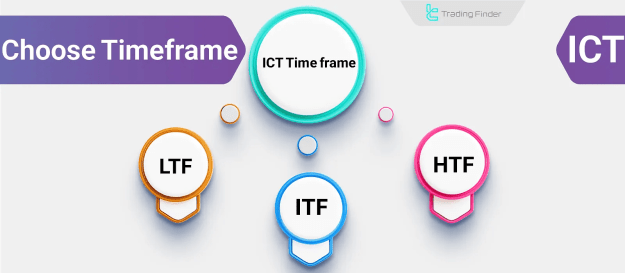
ICT market analysis primarily utilizes a Top-Down Analysis methodology. Timeframes are categorized into three distinct types to facilitate this approach:
- Higher Timeframe (HTF): Utilized for identifying the overarching market trend and directional bias.
- Intermediate Timeframe (ITF): Employed for confirming market structure and validating observations from the HTF.
- Lower Timeframe (LTF): Essential for detecting precise trade entry and exit points.
The selection of ICT timeframes is intrinsically linked to the chosen trading strategy. For instance, the Daily timeframe serves as the lowest for position trading, whereas the H4 timeframe is the highest for day trading.
Position Trading Timeframes
Position trading involves long-term trades, often spanning weeks or even months. For ICT-style position trading, the recommended timeframes are:
- Monthly as the Higher Timeframe (HTF)
- Weekly as the Intermediate Timeframe (ITF)
- Daily as the Lower Timeframe (LTF)
Monthly Timeframe (HTF) in Position Trading
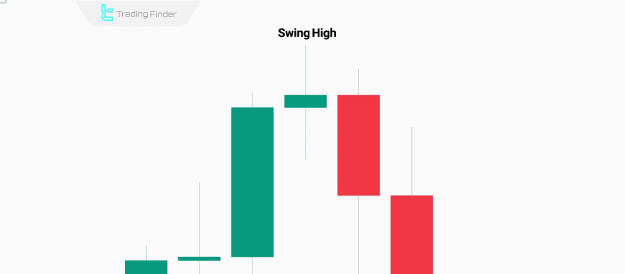
The Monthly timeframe is crucial for identifying the overall market trend and detecting significant key levels, such as swing highs and swing lows. This provides a foundational understanding of the long-term market sentiment.Weekly Timeframe (ITF) in Position Trading
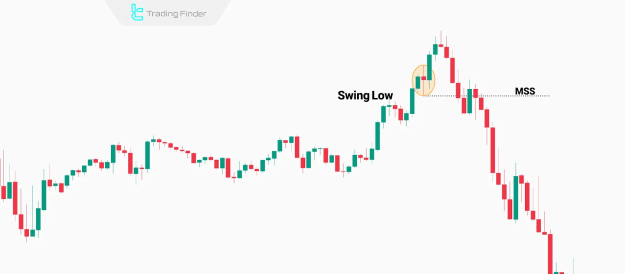
The Weekly timeframe in position trading is used to pinpoint directional changes by identifying key ICT concepts like market structure shifts. It also serves to validate patterns and observations made on lower timeframes.Daily Timeframe (LTF) in Position Trading
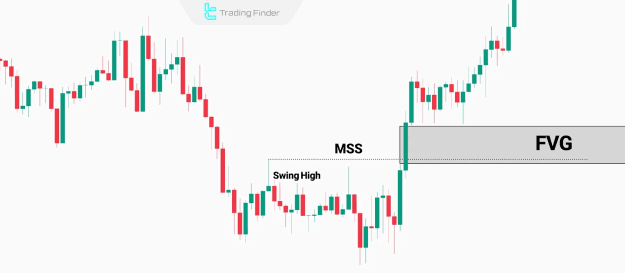
Daily intervals are applied to identify precise trade entry points in position trading, often leveraging ICT concepts such as the Fair Value Gap (FVG). This allows for refined entry strategies within the long-term trend.Swing Trading Timeframes
Swing trading encompasses trades that typically last from a few days to a few weeks. The recommended ICT timeframes for swing trading are:
- Daily as the Higher Timeframe (HTF)
- 4-Hour (H4) as the Intermediate Timeframe (ITF)
- 1-Hour (H1) as the Lower Timeframe (LTF)
Daily Timeframe (HTF) in Swing Trading
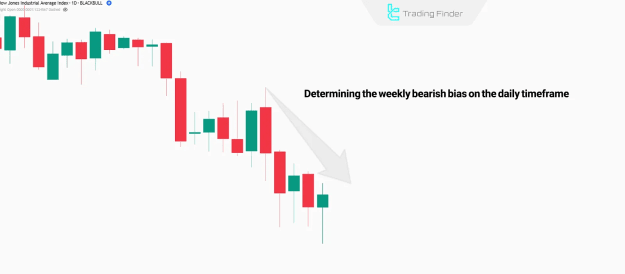
The Daily timeframe in swing trading is instrumental in detecting the weekly trend and defining critical key levels, including swing highs and swing lows, providing a medium-term directional bias.
4-Hour Timeframe (ITF) in Swing Trading
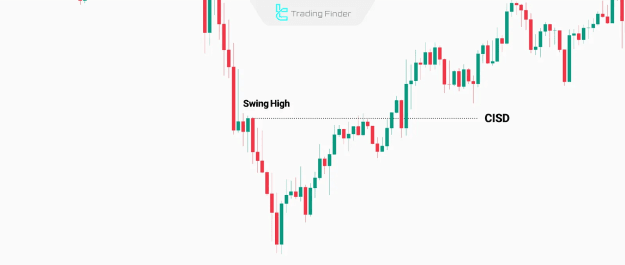
4-hour intervals are used to identify directional shifts or key level breaks in swing trading, often employing ICT concepts like Change in State Delivery (CISD) to confirm market intentions.
1-Hour Timeframe (LTF) in Swing Trading
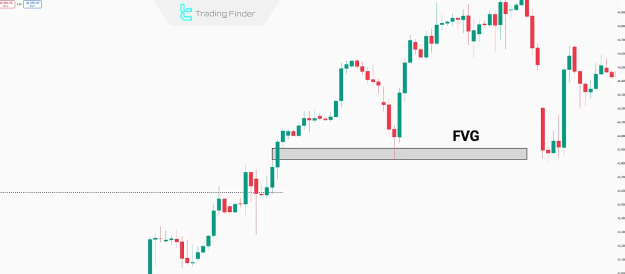
The 1-hour timeframe is utilized to detect potential trade entry points in swing trading, often based on ICT concepts such as Fair Value Gap (FVG) or Change in State Delivery (CISD).
Day Trading Timeframes
Day trades typically last for several hours and are closed within the same trading day. Common ICT timeframes for day trading include:
- 1-Hour (H1) as the Higher Timeframe (HTF)
- 15-Minute (M15) as the Intermediate Timeframe (ITF)
- 5-Minute (M5) as the Lower Timeframe (LTF)
1-Hour Timeframe (HTF) in Day Trading
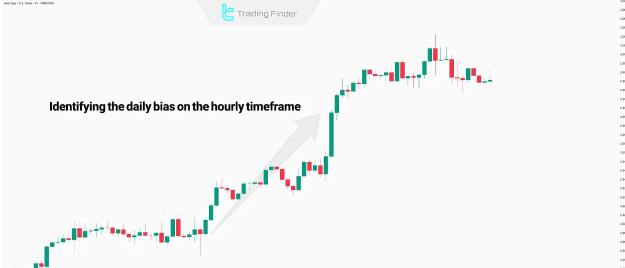
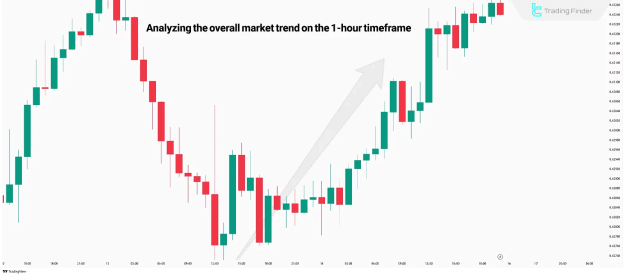
1-hour intervals in day trading help to establish the daily bias and identify significant support and resistance levels within the primary trend, setting the stage for intraday movements.
15-Minute Timeframe (ITF) in Day Trading
The M15 timeframe is employed to identify directional shifts or key level breaks in day trading, often utilizing various ICT concepts to confirm short-term market reversals or continuations.
5-Minute Timeframe (LTF) in Day Trading
A 5-minute timeframe is crucial for identifying precise entry points, stop-loss levels, and recognizing specific ICT patterns like liquidity grabs or order blocks in day trading, enabling refined trade execution.
Scalping Timeframes
Scalping involves extremely short-term trades, lasting from a few seconds to a few minutes, with the objective of accumulating numerous small profits. The recommended ICT timeframes for scalping are:
- 1-Hour (H1) as the Higher Timeframe (HTF)
- 5-Minute (M5) as the Intermediate Timeframe (ITF)
- 1-Minute (M1) as the Lower Timeframe (LTF)
1-Hour Timeframe (HTF) in Scalping
1-hour intervals in scalping help to identify the short-term market trend and establish daily support and resistance levels, providing crucial context for rapid trade decisions.
5-Minute Timeframe (ITF) in Scalping
The 5-minute timeframe detects key level breaks and signals for either continuation or reversal of price direction in scalping, allowing for quick adjustments to market conditions.
1-Minute Timeframe (LTF) in Scalping
1-minute intervals facilitate swift entries and exits in scalping, often leveraging ICT patterns like the Fair Value Gap (FVG) or order blocks for high-frequency trading.
Conclusion
The multi-timeframe approach inherent in ICT analysis empowers traders to effectively analyze key levels on higher timeframes (HTF) and execute exceptionally precise entries on lower timeframes (LTF). This sophisticated methodology is founded on the principle of detecting hidden liquidity on higher timeframes and meticulously managing orders on lower ones, leading to more informed and potentially profitable trading decisions.