

TP & SL Tool: Risk Reward Ratio Calculator RRR MT4 | Prop Firm Protector: Trade Assist Prop Firm Plus TF Expert MT4 | Money Management + DrawDown Protector: Trade Panel Prop Firm Drawdawn Limiter Pro MT4 |Get a free Expert Advisor license via Telegram and WhatsApp
The Three Unshakable Pillars of Technical Analysis
- Price Discounts Everything - All known information is reflected in current market prices
- Trends Persist Until Proven Otherwise - Movements tend to continue rather than reverse
- History Rhythms - Market psychology creates recurring price patterns
This analytical framework delivers consistent results across:
- Forex currency pairs
- Equity indices and individual stocks
- Cryptocurrency markets
- Commodity futures contracts
Strategic Advantages and Practical Limitations
Why Professionals Rely on Technical Analysis
- Precision Timing - Identifies optimal entry/exit coordinates
- Multi-Timeframe Confirmation - Aligns short-term and long-term perspectives
- Objective Risk Parameters - Provides measurable stop-loss and take-profit levels
- Universal Application - Effective across all liquid financial instruments
- Hybrid Potential - Combines powerfully with fundamental analysis
Understanding the Constraints
- False Signal Risk - Particularly during low-volume conditions
- Learning Curve - Requires significant screen time to master
- Lagging Indicators - Some tools react rather than predict
- Psychological Traps - Can amplify emotional trading without discipline
- Event Risk - Fundamental shocks can override technical setups
The Professional's Technical Toolbox
Pattern Recognition Mastery
Trend Reversal Formations:
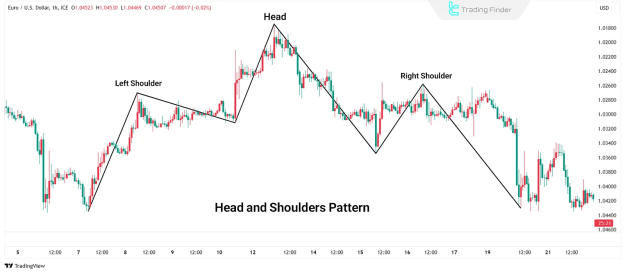
- The classic Head and Shoulders pattern
- Double/Triple Top and Bottom structures
- Key Reversal Candlestick formations
Trend Continuation Patterns:
- Bullish/Bearish Flags and Pennants
- Symmetrical/Ascending/Descending Triangles
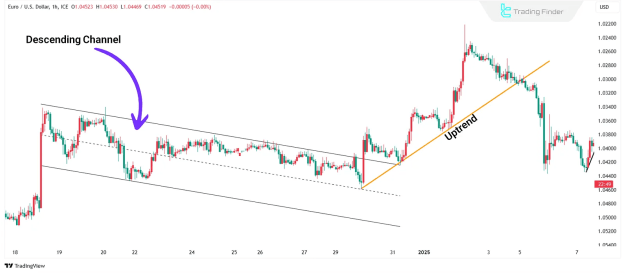
- Price Channel developments
Advanced Trend Analysis
- Confirmed Uptrend: Higher highs and higher lows
- Established Downtrend: Lower highs and lower lows
- Consolidation Phase: Horizontal price oscillation
Critical Price Zone Identification
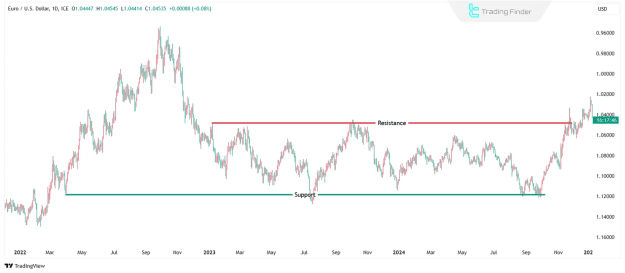
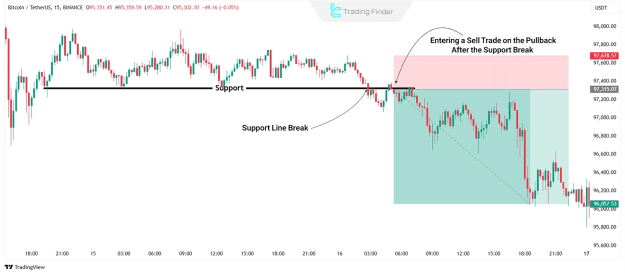
- Support Clusters: Where buyers consistently emerge
- Resistance Walls: Where sellers typically appear
- Breakout Validation: Sustained moves beyond key levels with volume confirmation
Institutional-Grade Analytical Tools
Indicator Matrix
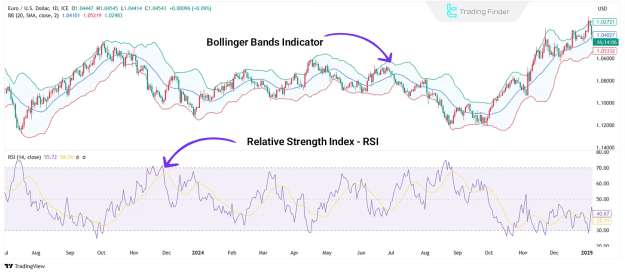
- Momentum Oscillators: RSI, Stochastic, CCI
- Trend Indicators: MACD, ADX, Parabolic SAR
- Volatility Gauges: Bollinger Bands, Keltner Channels
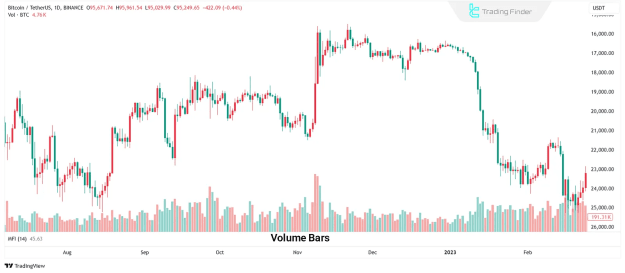
- Volume Analysis: OBV, VWAP, Volume Profile
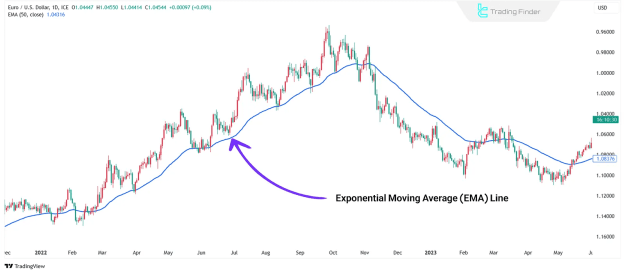
Moving Average Strategies
- SMA Applications: Best for identifying core trends
- EMA Techniques: More responsive to recent action
- Crossover Systems: Generating mechanical signals
Volume Interpretation
- Confirms breakout legitimacy
- Signals potential trend exhaustion
- Reveals institutional participation levels
Comparative Methodology Analysis
Technical vs Fundamental Analysis
Technical analysis examines price behavior and patterns, while fundamental analysis evaluates economic data, financial statements, and macroeconomic conditions. Technical methods excel for short-term trading, while fundamental analysis serves long-term investment strategies.
Traditional vs Pure Price Action
Price action trading strips away indicators to focus solely on raw price movement. This approach offers faster signals but demands greater market intuition. Traditional technical analysis provides more structured frameworks for systematic traders.
Retail vs Institutional Approaches
Modern institutional methods (ICT/Smart Money Concepts) emphasize liquidity analysis over conventional patterns. These advanced techniques decode large player behavior through order flow and market structure analysis.
Professional Trading Strategies
High-Probability Setups
- Breakout Trading: Capitalizing on price movements beyond established ranges
- Reversal Trading: Identifying potential trend exhaustion points
- Range Trading: Exploiting cyclical price movements between support/resistance
Risk Management Protocols
- Fixed percentage risk per trade
- Technical stop-loss placement
- Minimum 1:2 reward/risk ratio
- Volatility-adjusted position sizing
The Professional's Trading Process
- Market Diagnosis: Determine market phase (trending/ranging)
- Timeframe Alignment: Establish primary and confirmation timeframes
- Setup Identification: Locate high-probability trade opportunities
- Signal Confirmation: Wait for technical validation
- Trade Execution: Define precise entry and exit parameters
- Position Management: Adjust stops and monitor price development
Conclusion
The Path to Mastery
Technical analysis remains the cornerstone of professional trading, providing structured methodologies for market analysis. When combined with rigorous risk management and continuous education, it offers traders a significant analytical edge. Top performers develop customized approaches that blend multiple methodologies while maintaining strict trading discipline.