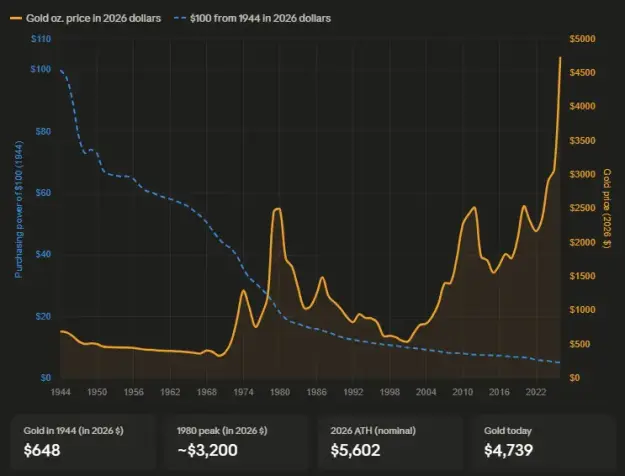


DislikedOf course there was foreign exchange in 1900s, but not as it is since 2000s. Only national banks could do the exchange, and it worked in a different way, so the data tells us nothing in the context of modern day Forex. {image} So, as we can clearly see, those are completely different markets with completely different conditions/circumstances. Therefore, any chart of the whole history doesn't say anything conclusive without knowing the historical background. And all the technical analysis is pure nonsense... Example: $35 in 1944 is worth approximately...Ignored
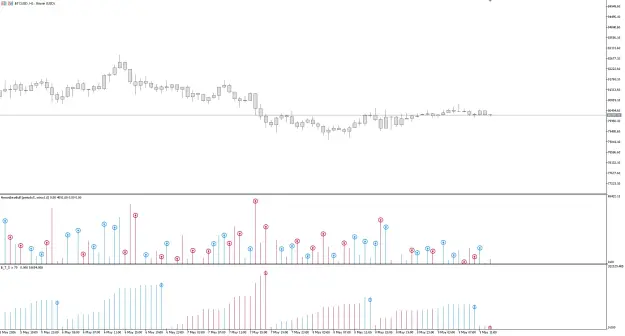
Attached Image (click to enlarge)
>
QuoteDislikedOf course there was foreign exchange in 1900s
> start asking stupid questions to the person who answered the original request
> ignore him
> 5 min later ask AI for help

What a person will do with that historical data is none of your concern LOL
Very sensitive old man...
Air force