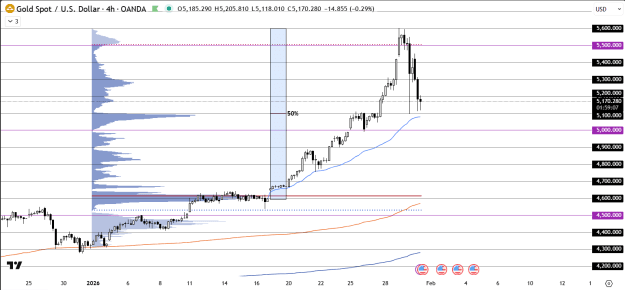

Price as the foundation for market speculation (pt.1)
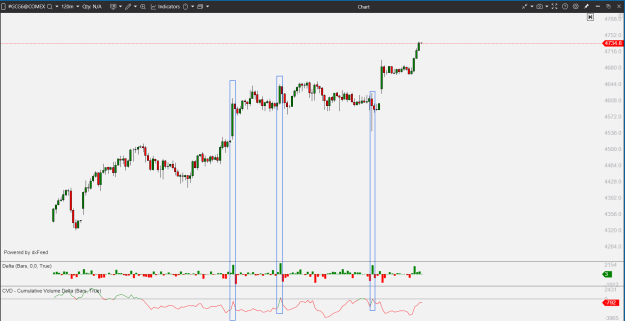
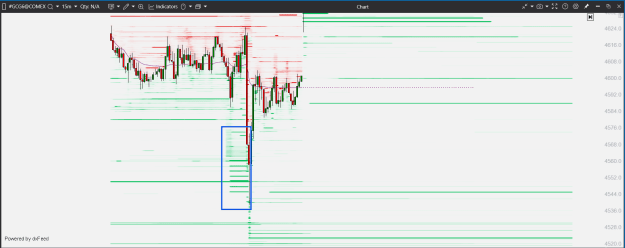
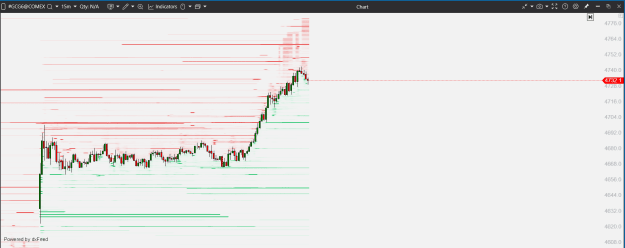
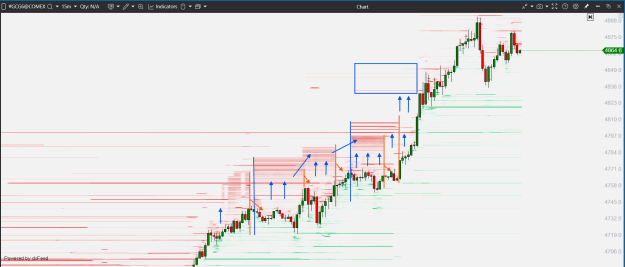
The career of a trader is built on the fluctuation of price in a given market. The trader is constantly on the lookout for acceptance and rejection of prices, support and resistence levels, ranges of demand and supply; these are with no doubt, the essential means by which a trader acquires insights into a given market, but how often does the trader actually study price in a market? How often does the trader take profit on a previous high/low only to watch the market continue in the direction?
Market objectivity requires bold belief in probability, but how can one begin to measure probability in the first place?
Price ranges are the foundation of that measurement, since price is the medium through which all movement occurs in a market.
Now, how do we know what prices will a market respect the most? Or how can we know a key price before the market reacts to it as a key price?
. . .
The blueprint
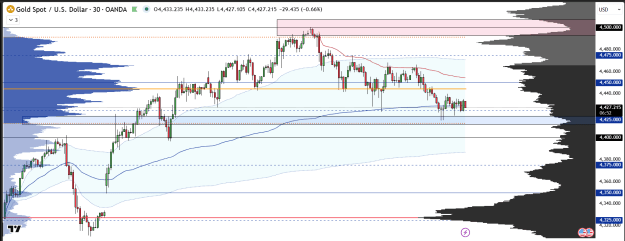
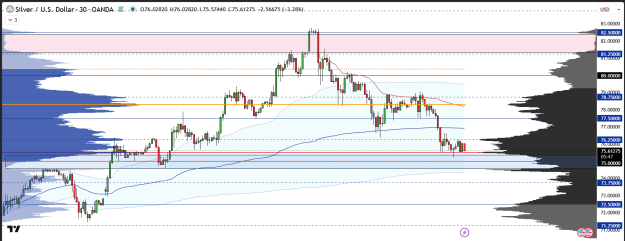
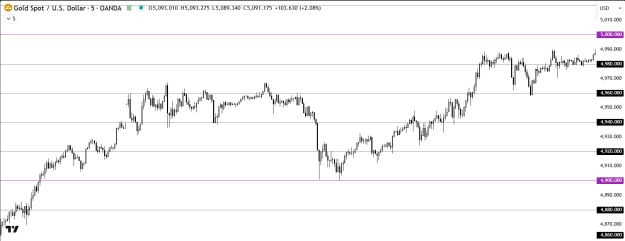
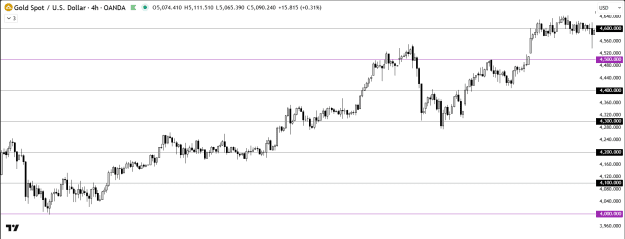
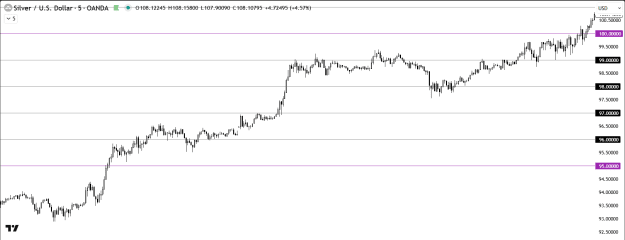
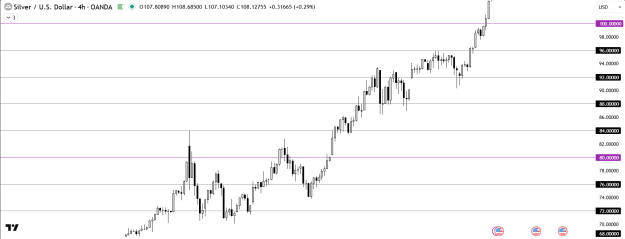
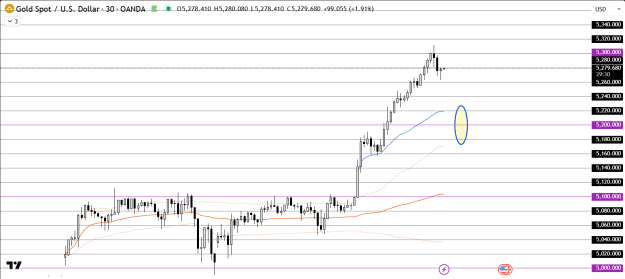
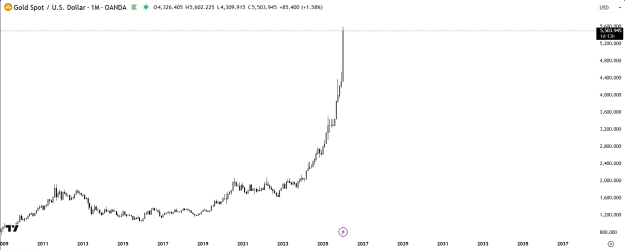
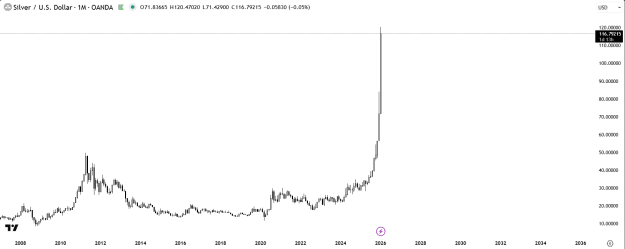
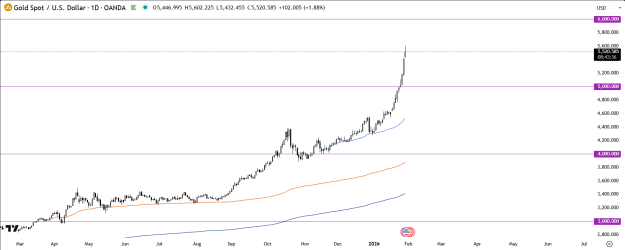
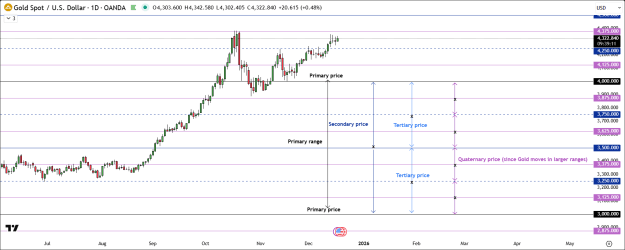
1. Primary price (depending on a market): psychological/major figures - 1, 2, 3, ..., 10, 20, 30, ..., 100, 200, 300, ..., 1000, 2000, 3000, ...
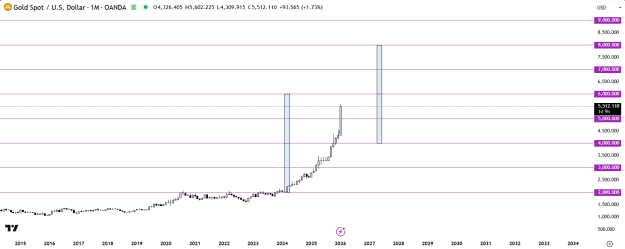
The distance or difference between two major figures creates a range, but because price fluctuation is limited by many factors, the movement of a market cannot be actual according to these ranges alone. Therefore, the ranges are scaled or divided in a fractal manner to compensate or meet the demands of market mechanics. Thus:
2. Secondary price: 1/2 of the primary range - 1.5, 2.5, 3.5, ... 15, 25, 35, ... 150, 250, 350, ... 1500, 2500, 3500, ...
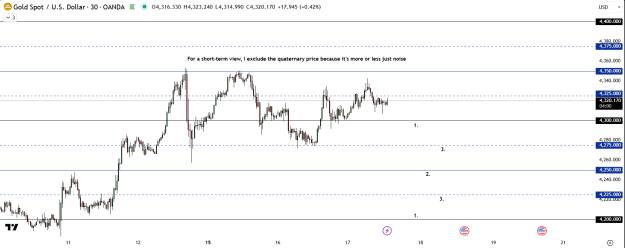
3. Tertiary price: 1/2 of the secondary ranges (bottom half, top half) - 1.25, 1.75, 2.25, 2.75, ... 125, 175, 225, 275, ... 1250, 1750, 2250, 2750, ...
(4. Quaternary price depending on the market, primarily if a market moves in larger ranges - high volatility)
Note: Price Ranges are adjusted according to terms, but the blueprint remains the same.
Conclusion: key prices and ranges that we know with certainty the market will always react to and weigh its movement; this is the foundation for the system of probability (pt.2 if there is interest).
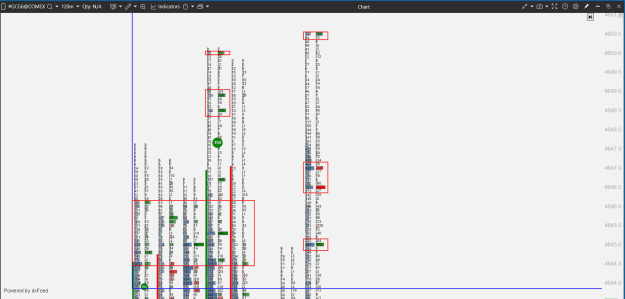
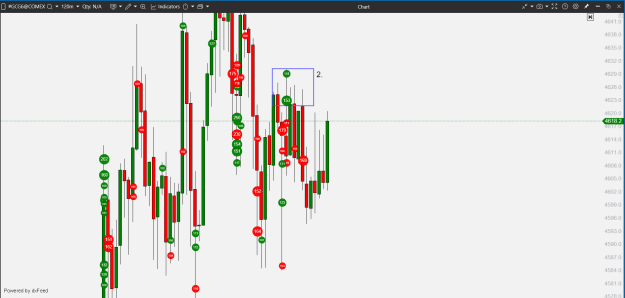
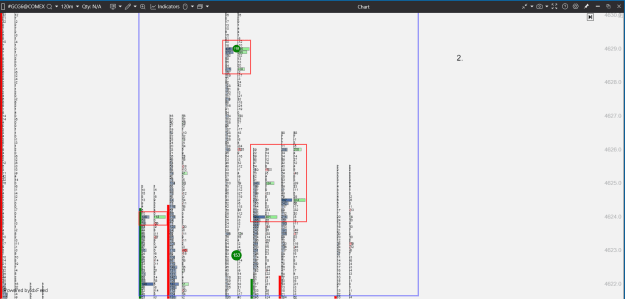
Attached Image(s) (click to enlarge)
1