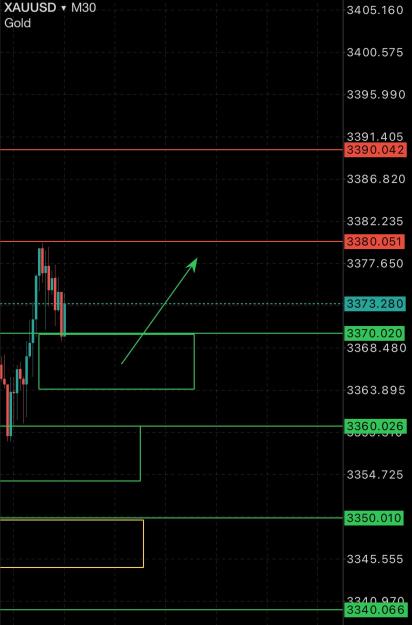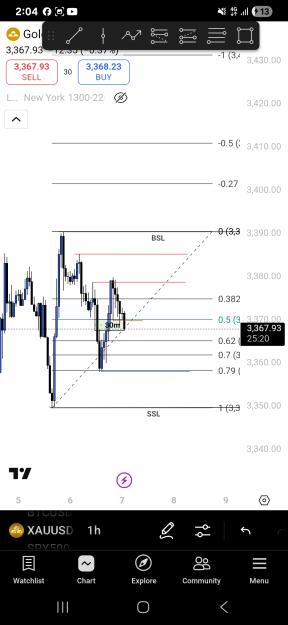


In my experience I would like to share.
On the capital side, take the example of someone trading with $100 using the smallest lot size of 0.01. Targeting a 1–2% return, which is just $1–2, may seem very easy to achieve. Now consider a $1000 account using the same lot size. Even though the profit target rises to $10–20 (1–2%), the challenge increases slightly, as better decision-making is required for entry and exit. With a $10,000 account trading at 0.01 lot, the same 1–2% target $100–200 becomes even more difficult to achieve consistently within a day. Here, advanced analytical skills are essential, and even then, it’s a hard target to consistently reach.
On the analytical side, the focus shifts to skill-based performance. For example, a trader with $100 aiming for 5–10% daily returns ($5–10) may find it manageable with leverage but must accept moderate risk. With $1000, the same daily target ($50–100) brings higher risk, and with $10,000, a $500–1000 target involves very high risk. In this case, while the skill level is high, the pressure and exposure are also significantly greater.
The key takeaway is that trading success doesn’t come solely from how much you invest or how sharp your analysis is. Instead, maintaining a healthy balance between capital management and analytical skill is essential. No matter how much capital you use, it’s important to track your trading performance and analytical accuracy with proper records. Over time, this habit strengthens both your confidence and your skill. Trading should be seen as a long-term process, not just for growing your account but for consistently improving your ability and discipline. This process will entirely change your life.
So, Organize your stuff, avarage with the investment. Track the result. Money will follow you. Please don't risk your money. Demo trading also won't work.
It's not easy to build-up in a day. All the best.
On the capital side, take the example of someone trading with $100 using the smallest lot size of 0.01. Targeting a 1–2% return, which is just $1–2, may seem very easy to achieve. Now consider a $1000 account using the same lot size. Even though the profit target rises to $10–20 (1–2%), the challenge increases slightly, as better decision-making is required for entry and exit. With a $10,000 account trading at 0.01 lot, the same 1–2% target $100–200 becomes even more difficult to achieve consistently within a day. Here, advanced analytical skills are essential, and even then, it’s a hard target to consistently reach.
On the analytical side, the focus shifts to skill-based performance. For example, a trader with $100 aiming for 5–10% daily returns ($5–10) may find it manageable with leverage but must accept moderate risk. With $1000, the same daily target ($50–100) brings higher risk, and with $10,000, a $500–1000 target involves very high risk. In this case, while the skill level is high, the pressure and exposure are also significantly greater.
The key takeaway is that trading success doesn’t come solely from how much you invest or how sharp your analysis is. Instead, maintaining a healthy balance between capital management and analytical skill is essential. No matter how much capital you use, it’s important to track your trading performance and analytical accuracy with proper records. Over time, this habit strengthens both your confidence and your skill. Trading should be seen as a long-term process, not just for growing your account but for consistently improving your ability and discipline. This process will entirely change your life.
So, Organize your stuff, avarage with the investment. Track the result. Money will follow you. Please don't risk your money. Demo trading also won't work.
It's not easy to build-up in a day. All the best.
SURFER
4

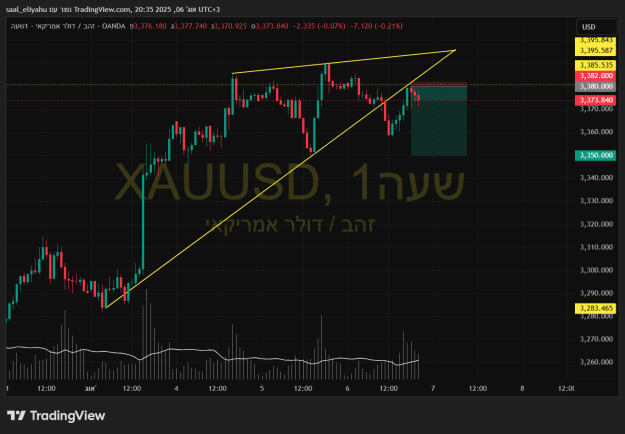


 lets watch and see how it plays out