

TP & SL Tool: Risk Reward Ratio Calculator RRR MT5 | Prop Firm Protector: Trade Assist Prop Firm Plus TF Expert MT5 | Money Management + DrawDown Protector: Trade Panel Prop Firm Drawdawn Limiter Pro MT5 |Get a free Expert Advisor license via Telegram and WhatsApp
Why is a Trading Strategy Essential?
Markets fluctuate due to supply-demand dynamics, economic news, and institutional activity. Without a clear strategy, traders fall prey to impulsive actions. Key benefits include:
- Risk Management: Controls position sizing and stop-loss placement to protect capital.
- Emotion-Free Trading: Removes fear and greed from decision-making.
- Performance Tracking: Enables backtesting and optimization for consistent results.
- Adaptability: Adjusts to different market conditions (trending, ranging, volatile).
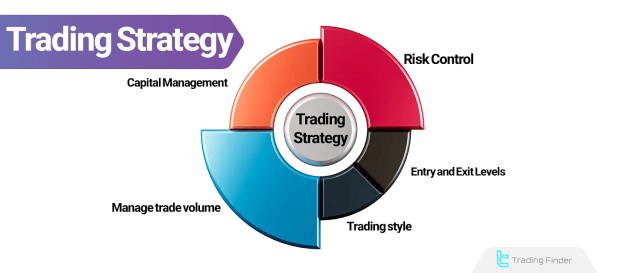
Core Components of a Trading Strategy
1. Entry Conditions
Trades are triggered by specific signals, such as:
- Price action patterns (breakouts, pullbacks, candlestick formations).
- Indicator-based signals (Moving Averages, RSI, MACD divergences).
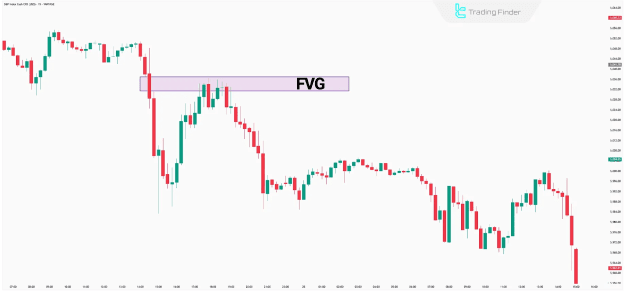
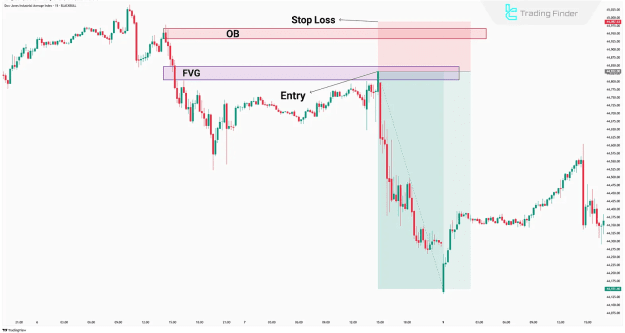
- Liquidity-based triggers (Fair Value Gaps, Order Blocks in ICT/SMC strategies).
Example: In an ICT-based strategy, entries occur at FVG retracements for high-probability setups.
2. Exit Conditions
Defines when to close trades profitably or cut losses:
- Take-Profit (TP): Based on resistance levels, Fibonacci extensions, or risk-reward ratios.
- Stop-Loss (SL): Placed below support (for longs) or above resistance (for shorts).
3. Capital & Risk Management
- Position Sizing: Risk only 1-2% per trade to survive losing streaks.
- Risk-Reward Ratio: Aim for 1:2 or higher (e.g., risking $1 to gain $2).
4. Market Conditions & Timeframes
- Scalping (1M-15M charts): Quick trades with tight stops.
- Swing Trading (1H-Daily): Captures multi-day trends.
- Trend vs. Range: Adjust strategies based on market structure.
Types of Trading Strategies
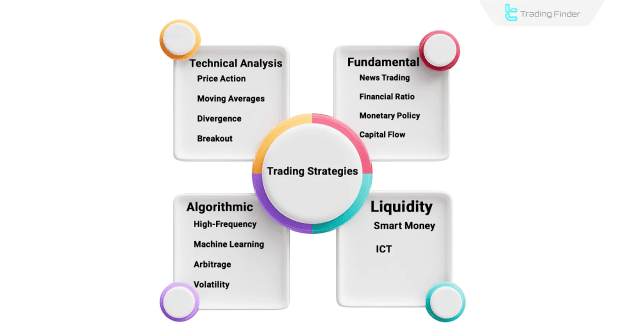
1. Technical Analysis Strategies
- Price Action Trading: Uses support/resistance, trendlines, and candlestick patterns.
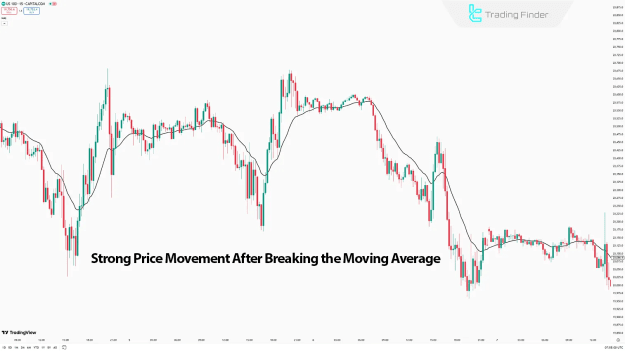
- Moving Average Crossovers: EMA/SMA crosses signal trend reversals.
- Breakout Trading: Enters when price breaches key levels with volume confirmation.
2. Fundamental Analysis Strategies
- News Trading: Capitalizes on economic reports (NFP, CPI, GDP).
- Earnings & Valuation: Trades based on P/E ratios, EPS growth, and sector trends.
3. Algorithmic & Quantitative Strategies
- High-Frequency Trading (HFT): Exploits micro-price inefficiencies.
- Arbitrage: Profits from price differences across markets.
- Machine Learning Models: Predicts trends using historical data patterns.
4. Liquidity & Institutional Strategies (ICT/SMC)
- Smart Money Concept (SMC): Tracks bank order flows and liquidity pools.
- ICT Trading: Uses FVG, Order Blocks, and MSS (Market Structure Shifts).
How to Build a Trading Strategy
- Select Market & Timeframe (Forex, Stocks, Crypto + 5M, 1H, Daily).
- Choose Analysis Method (Technical, Fundamental, Algorithmic, Liquidity).
- Define Entry/Exit Rules (Clear triggers for opening/closing trades).
- Set Risk Parameters (Max loss per trade, risk-reward ratio).
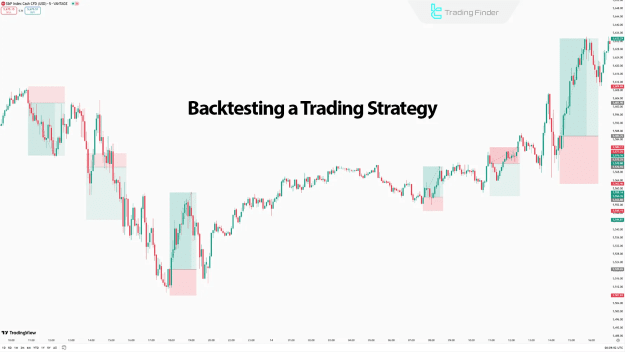
- Backtest & Optimize (Test on historical data, refine edge).
- Demo & Live Testing (Validate in real-market conditions).
Conclusion
A well-structured trading strategy is the backbone of successful trading, ensuring discipline, consistency, and adaptability. Whether using price action, indicators, or institutional concepts like ICT/SMC, the key lies in rigorous testing, risk management, and continuous improvement.
By mastering these principles, traders can minimize losses, maximize gains, and navigate volatile markets with confidence