

TP & SL Tool: Risk Reward Ratio Calculator RRR MT5 | Prop Firm Protector: Trade Assist Prop Firm Plus TF Expert MT5 | Money Management + DrawDown Protector: Trade Panel Prop Firm Drawdawn Limiter Pro MT5 |Get a free Expert Advisor license via Telegram and WhatsApp
What Is Inflation?
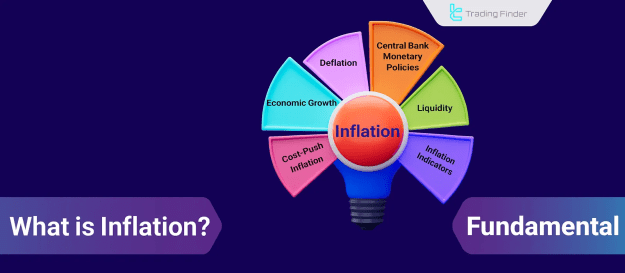
Inflation occurs when the average price of a basket of goods and services rises over a specific period. This basket typically includes essentials such as housing, food, energy, clothing, healthcare, and transportation. Central banks determine the composition of this basket based on consumer spending patterns and use it to measure inflation trends.
Key Inflation Indicators
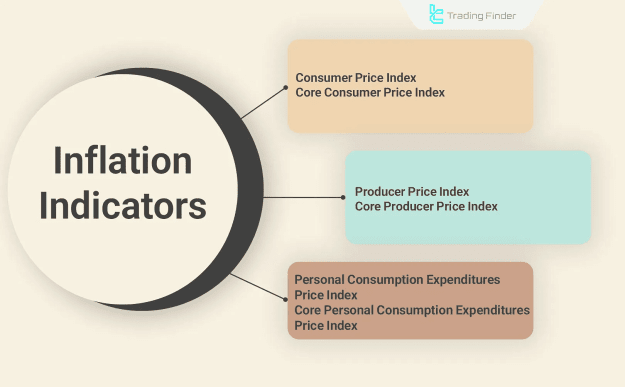
Economists and traders rely on a range of inflation indices to assess price pressures and predict monetary policy changes. The primary inflation indicators include:
- CPI (Consumer Price Index)
- Core CPI
- PPI (Producer Price Index)
- Core PPI
- PCE (Personal Consumption Expenditures Price Index)
- Core PCE
Consumer Price Index (CPI)
The CPI measures the average change in prices paid by consumers for a fixed basket of goods and services. It is one of the most recognized inflation measures and serves as a benchmark for assessing currency strength in Forex markets.
- An increase in CPI indicates higher inflation and declining purchasing power.
- The fixed basket used in CPI calculations can limit flexibility in adapting to consumption changes.
Core Consumer Price Index (Core CPI)
Core CPI excludes food and energy prices, which are subject to volatility caused by external factors such as geopolitical events or weather disruptions.
- Central banks prefer Core CPI for policy guidance due to its stability.
- A consistent rise in Core CPI is often a signal for tighter monetary policy.
Producer Price Index (PPI)
The PPI reflects price changes at the production level, capturing input costs for manufacturers and service providers. It serves as a leading indicator of future consumer inflation.
- Rising producer costs often translate into higher consumer prices.
- Oil and energy price increases significantly influence the PPI.
Core Producer Price Index (Core PPI)
Core PPI removes food, energy, and service-related costs from its calculation. The exclusion of services addresses volatility from wage-related changes in the labor-intensive sectors.
- This index isolates persistent cost pressures in production.
Personal Consumption Expenditures Price Index (PCE)
The PCE measures the average price changes in goods and services consumed by households. Unlike CPI, PCE accounts for substitutions consumers make in response to price changes and adjusts weights regularly.
- It offers a broader and more flexible view of inflation.
- The PCE is reported only in the U.S. and includes income and savings data.
Core PCE Price Index
Core PCE, the Federal Reserve’s preferred inflation gauge, excludes food and energy prices and reflects consumer spending behavior.
- It adjusts for seasonal demand shifts and product substitutions.
- Since 2000, it has replaced Core CPI as the Fed's primary inflation target.
- A higher-than-expected Core PCE reading typically supports the U.S. dollar in Forex markets.
Main Causes of Inflation
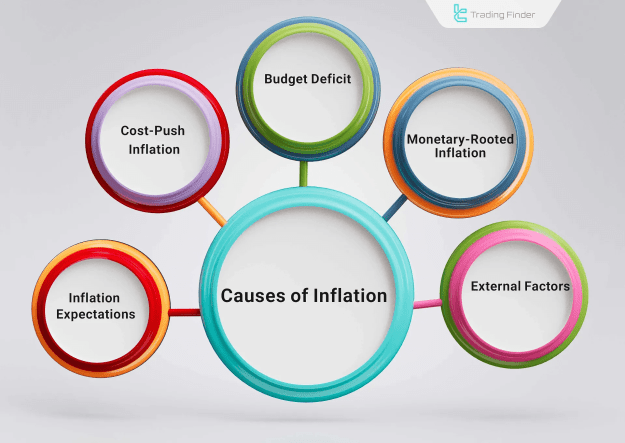
Inflation results from a combination of factors, including demand, supply, policy decisions, and market sentiment. Key types of inflation include:
- Demand-Pull Inflation: Triggered by strong consumer demand, often due to expansionary monetary or fiscal policies such as lower interest rates or increased government spending.
- Cost-Push Inflation: Caused by rising input costs (e.g., raw materials, wages), forcing producers to raise prices.
- Inflationary Expectations: When businesses and consumers anticipate higher future prices, they increase current spending, fueling further inflation.
- Government Budget Deficits: Excessive public spending financed by central bank borrowing can expand the monetary base and increase inflation.
- External Shocks: Geopolitical tensions, commodity shortages, and supply chain disruptions can limit supply and push up prices.
Cost-Push vs. Monetary Inflation
- Monetary Inflation arises from increased money supply. If production does not grow at the same pace, excess liquidity leads to higher prices.
- Cost-Push Inflation occurs when production costs rise independently of demand.
The monetary inflation formula MV = PQ (Money × Velocity = Price × Quantity) demonstrates that inflation arises when money supply (M) increases faster than the supply of goods and services (Q).
How to Control Inflation
Effective inflation management requires strategic intervention, typically through:
- Contractionary Monetary Policy: Central banks raise interest rates to absorb liquidity, discourage borrowing, and reduce consumption.
- Reduced Government Spending: Cutting fiscal outlays helps decrease demand pressures.
- Support for Production: Boosting supply through investment in infrastructure and industry helps balance demand.
- Bond Market Operations: Governments can attract liquidity by issuing high-yield bonds, redirecting money away from consumer markets.
- Administrative Measures: Though often risky, price controls or regulated exchange rates may be used temporarily to curb inflation. Poor implementation can lead to inefficiencies and black markets.
Understanding Deflation
Deflation is the opposite of inflation—a general decline in price levels. It typically results from:
- Weak demand
- Overproduction
- Currency appreciation
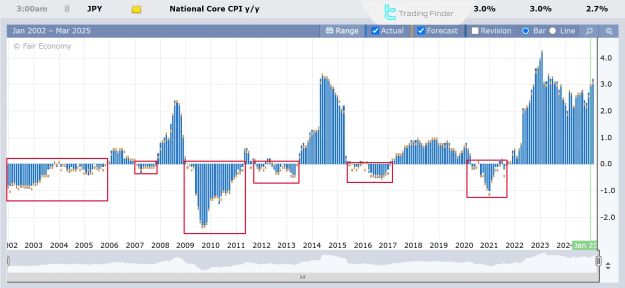
Prolonged deflation discourages spending, depresses business revenues, and raises unemployment. Japan’s experience since 2000 illustrates the dangers of persistent deflation.
Ideal Inflation Rates
A stable, low level of inflation supports economic growth:
- Developed economies aim for 2% inflation.
- Developing economies benefit from 2–4% inflation.
Excessive inflation undermines real wages and economic growth, while too little inflation stifles investment and employment. Central banks aim to maintain a delicate balance through monetary control.
Conclusion
Inflation is a multifaceted economic phenomenon driven by money supply, production costs, and market expectations. Monitoring key inflation indicators like CPI, PPI, and PCE is vital for traders, investors, and policymakers. In the Forex market, inflation data directly influences currency trends, making it essential for strategic decision-making and risk management.