

TP & SL Tool: Risk Reward Ratio Calculator RRR MT4 | Prop Firm Protector: Trade Assist Prop Firm Plus TF Expert MT4 | Money Management + DrawDown Protector: Trade Panel Prop Firm Drawdawn Limiter Pro MT4 |Get a free Expert Advisor license via Telegram and WhatsApp
Additionally, setting clear guidelines for risk management elements, such as position sizing and trading procedures for forex and other markets, enhances capital preservation and risk control.
What Is a Trading Plan?
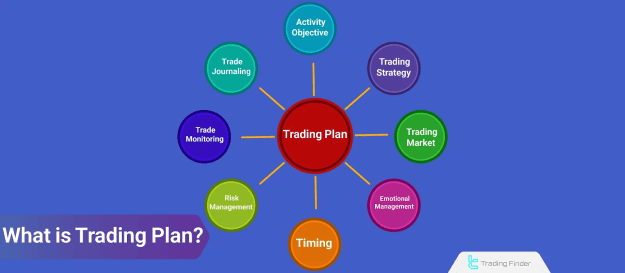
A trading plan serves as a comprehensive framework for trading operations. It encompasses multiple elements, including trading objectives, account management (covering capital, risk, and emotional control), trading strategy, trading hours, and additional components.
The rules outlined in a trading plan govern all aspects of trading activities, establishing structure and order for consistent market operations.
Components of a Trading Plan
A robust trading plan includes rules that structure every aspect of the trader’s activities, creating a disciplined and systematic approach to trading.
Key Components of a Trading Plan:
- Market Activity Goals: Establish clear trading objectives and expected returns within specified timeframes (daily, monthly, yearly).
- Trading Strategy: Select strategies that align with personal skills and trading goals.
- Market Selection: Analyse and identify the most suitable markets based on chosen strategies.
- Emotional Management: Set definitive rules to control emotions and prevent impulsive decisions during market fluctuations.
- Trading Hours: Determine optimal trading periods, such as the overlap between London and New York sessions.
- Risk and Capital Management: Allocate trading capital effectively and define maximum permissible losses for specific periods (daily, weekly, monthly).
- Trade Monitoring: Predefine management actions for trades to reduce decision-making pressure during live trading.
- Journaling Method: Identify essential details to record for each trade to facilitate performance tracking and analysis.
Benefits of a Trading Plan
Market volatility frequently induces stress and emotional reactions in traders. However, having a structured trading plan ensures that decisions remain consistent and rational across different market conditions.
Advantages of Implementing a Trading Plan:
- Reduced Emotional Impact: Preparedness for various market scenarios minimises emotional biases in decisions.
- Enhanced Risk and Capital Management: Clearly defined rules improve capital utilisation and risk control.
- Increased Strategy Success Rate: A trading plan, when executed consistently, enhances the probability of strategy success.
- Organised Trading Framework: Establishes a disciplined approach and systematic trading process.
- Long-Term Performance Evaluation: Enables periodic assessment and refinement of trading performance.
- Prevention of Impulsive Decisions: Defined rules for special conditions prevent confusion and emotional decisions that may result in losses.
The Importance of a Trading Plan in Trading
Market prices often experience rapid fluctuations due to numerous factors. In such environments, traders without a plan are prone to making emotional decisions, exposing their accounts to excessive risks.
A comprehensive trading plan outlines pre-determined actions for each market condition, ensuring controlled risks and maximised returns. Moreover, clear trading objectives within the plan reduce the likelihood of overtrading.
How to Create a Trading Plan?
Developing a trading plan requires a thorough evaluation of market dynamics, available capital, and individual trading goals to ensure practicality and consistency.
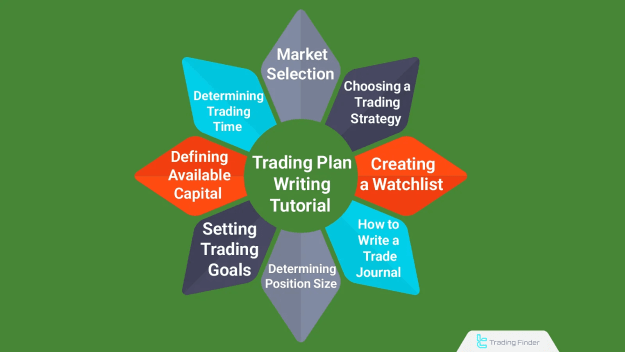
Steps to Develop a Trading Plan:
- Select the trading market.
- Define trading hours.
- Determine available capital.
- Set trading objectives.
- Establish position sizing rules.
- Identify journaling requirements.
- Prepare a watchlist.
- Select appropriate trading strategies.
Example of a Trading Plan
Consider a trader with $1,000 capital using the ICT trading strategy. A simplified plan for this setup is as follows:
- Market: Forex market
- Trading Hours: Overlap of London and New York sessions
- Available Capital: $1,000
- Trading Objective: 0.5% profit per trading week
- Journaling Factors: Entry reasons, outcomes, and emotions during trades
- Watchlist: EUR/USD, USD/JPY, GBP/USD
- Position Size: 0.5% risk per trade based on total capital
Difference Between a Trading Plan and Trading Strategy
While a trading plan encompasses all aspects of trading activities, a trading strategy is limited to defining trade entry and exit rules.
Comparison Overview:
- Trading Strategy: Focuses on entry, exit, and position sizing for individual trades; adjustable after each trade; aims to profit per trade.
- Trading Plan: Manages overall capital and account risk; reviewed and adjusted after longer periods; defines the full trading process including strategy, market selection, and timing; aims for long-term trading consistency.
Key Points for Effective Use of a Trading Plan
To utilise a trading plan efficiently and achieve target returns, adherence to certain principles is necessary.
Essential Points:
- Periodic Updates: Revise the trading plan periodically to reflect market changes.
- Error Correction: Identify and correct flaws after performance reviews.
- Strict Compliance: Implement updates only outside active trading hours and adhere to rules during live trades.
- Market Alignment: Tailor the trading plan to the specific market being traded for optimal outcomes.
Common Mistakes in Designing a Trading Plan
Mistakes in developing a trading plan can adversely impact trading performance and result in counterproductive outcomes.
Frequent Errors:
- Unrealistic Goals: Establishing unattainable targets can cause frustration and discontinuation.
- Excessive Risk-Taking: Irresponsible risk management shortens the lifespan of trading accounts.
- Neglecting Component Alignment: Failing to harmonise different components within the plan reduces efficiency and success rates.
Conclusion
A trading plan comprises a systematic set of rules encompassing all trading activities in financial markets. It defines trading goals, market selection, trading strategies, trading hours, and additional critical factors, each with pre-determined decisions to be implemented under specific market conditions.