

TP & SL Tool: Risk Reward Ratio Calculator RRR MT5 | Prop Firm Protector: Trade Assist Prop Firm Plus TF Expert MT5 | Money Management + DrawDown Protector: Trade Panel Prop Firm Drawdawn Limiter Pro MT5 |Get a free Expert Advisor license via Telegram and WhatsApp
What is a PAMM Account?
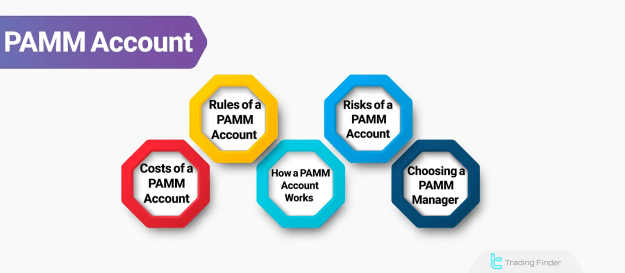
A PAMM account is a social trading model where a professional trader manages a pooled capital from multiple investors to execute trades in the financial markets, primarily forex. Investors contribute a specific amount, and their share of profits or losses is allocated based on their investment's ratio to the total pooled capital. Brokers play a crucial oversight role, handling calculations of profits, losses, and fees, ensuring transparency in the process. While predominantly used in forex, some brokers extend this model to other markets.
How Does a PAMM Account Work?
The operational mechanics of a PAMM account are straightforward. Investors open a PAMM account with a broker and deposit their desired capital. The designated account manager then utilizes this total pooled capital for trading. The broker's system automatically calculates and distributes profits or losses proportionally to each investor's share. In return for successful trading, the account manager receives a performance fee, typically a percentage of the net profit. No fee is paid for losses or if no profit is generated. Some brokers implement a "High Water Mark" fee structure, ensuring the manager is only compensated when the account's value surpasses its previous highest profit level, thus incentivizing recovery after a loss.
Advantages and Disadvantages of a PAMM Account
PAMM accounts offer distinct advantages and disadvantages for investors:
Advantages:
- Access to Expertise: Investors can leverage the experience and skills of professional traders without needing extensive personal trading knowledge or time commitment.
- Proportional Profit Distribution: Profits are distributed fairly, directly in proportion to the amount of capital invested by each participant.
- Transparency: Brokers provide transparent reporting on profits, losses, and fees.
- Diverse Strategies: Investors can choose from various account managers employing different trading strategies.
- Broker Supervision: The broker oversees the profit distribution process, adding an layer of security.
Disadvantages:
- No Profit Guarantee: There is no assurance of profitability, and losses are possible.
- Dependence on Manager: Investors are entirely dependent on the account manager's skills and risk management abilities.
- Lack of Direct Control: Investors have no direct control over trading decisions.
- Performance Fluctuations: The manager's performance can fluctuate over time, leading to inconsistent results.
- Risk of Losses: Losses incurred by the account manager directly impact investors' capital.
Choosing the Right PAMM Account and Manager
Selecting a suitable PAMM account and manager involves evaluating several critical factors:
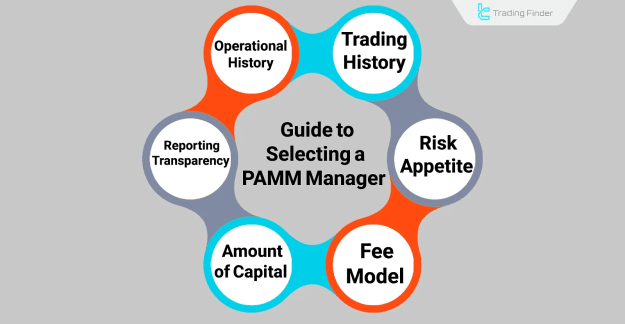
Key Factors for Selecting a PAMM Account Manager:
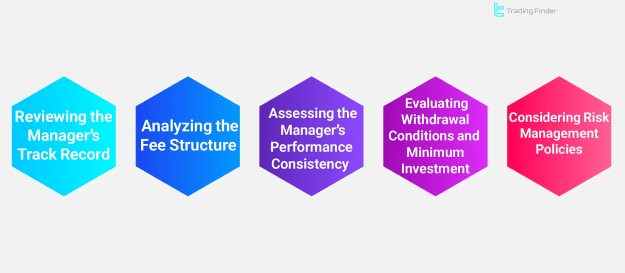
- Historical Performance: Thoroughly review the manager’s past performance, including profit percentages, drawdown rates, and consistency across various timeframes.
- Risk Level of Strategy: Analyze the manager's trading strategy concerning risk control and the win/loss ratio to ensure it aligns with your risk tolerance.
- Fee Structure: Understand the performance fee rate and how it is applied.
- Drawdowns and Profit Stability: Assess the manager's ability to maintain stable profits and manage drawdowns effectively.
- Transparency: Confirm that the manager provides transparent reporting on performance, losses, and strategy updates.
- Manager's Tenure with Broker: Prefer managers with a long and stable track record with reputable brokers.
Rules Governing PAMM Accounts
Forex PAMM accounts operate under strict rules enforced by brokers, which define the framework for both account managers and investors. These rules cover various aspects, ensuring a structured and fair environment.
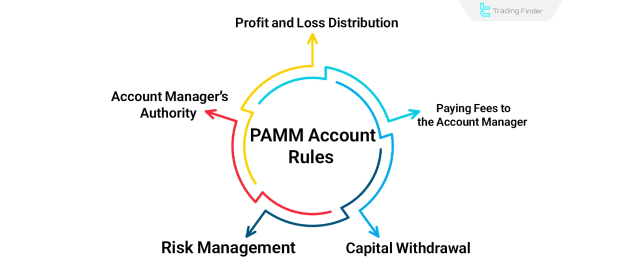
PAMM Account Rules Categories:
- Profit and Loss Sharing: Profits and losses are divided based on each investor's capital share, with automatic calculations by the broker's system. Time-based restrictions on profit withdrawals may apply.
- Manager Fee Payment: Fees are performance-based, meaning they are paid only when trades generate profit. The fee rate is pre-determined, and some brokers may use the "High Water Mark" model.
- Capital Withdrawal: Rules are in place to prevent disruptions. Investors can typically withdraw all or part of their capital with prior notice within designated timeframes. Penalties may apply for early withdrawals.
- Risk Management: PAMM accounts incorporate risk management concepts like maximum drawdown thresholds and stop-out levels, often defined by the investor or broker.
- Manager's Authority: The manager's authority is limited to executing trades. They cannot access or withdraw funds from the account, and restrictions may apply to permitted trading symbols.
PAMM vs. MAM vs. Copy Trading
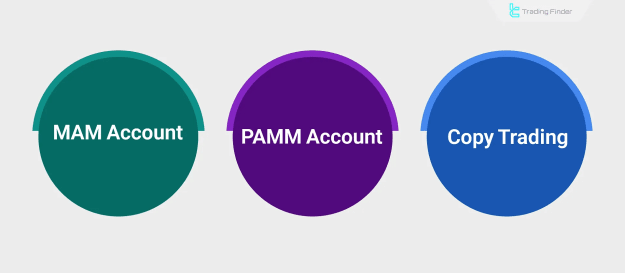
While PAMM accounts are a form of social trading, it's essential to understand their distinctions from other methods like Copy Trading and Multi-Account Manager (MAM) accounts. These models differ in capital allocation, investor control, and trade management.
- PAMM Account: All investor funds are pooled into a single account, and investors have no direct control over individual trades. Risk management is handled by the account manager. Fees are typically a percentage of net profit.
- Copy Trading: Each investor maintains a separate account, and trades are copied to individual investor accounts. Investors often have the ability to close or modify copied trades, giving them more control over risk. Fees can be a percentage of profit or a fixed fee.
- MAM Account: Funds are pooled, but trade volume can be customized for each investor. Trades are executed on a pooled account, but the volume can be adjusted individually. Risk management involves a combination of manager and investor control. Fees are usually a percentage of profit or based on trade volume.
Important Considerations Before Investing in a PAMM Account
Before committing capital to a PAMM account, several factors should be carefully evaluated:
- Minimum Investment: Be aware of the minimum required investment set by the broker.
- Information Transparency: Ensure the broker and manager provide transparent information regarding performance and fees.
- Broker Rules and Policies: Familiarize yourself with the specific rules and policies of the chosen broker regarding PAMM accounts.
- Broker's Technical Infrastructure: Consider the reliability and efficiency of the broker's technical infrastructure.
Risks and Costs of Using a PAMM Account
PAMM accounts, like any investment, carry inherent risks and associated costs.
Risks of PAMM Accounts:
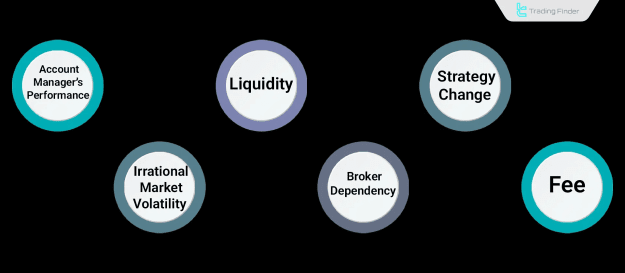
- Manager Performance: The primary risk is the account manager's performance, as poor trading decisions can lead to significant losses.
- Market Volatility: Extreme market volatility can negatively impact trading outcomes, regardless of the manager's skill.
- Regulatory Limitations: Broker regulatory limitations can influence the safety and security of funds.
Costs of Using a PAMM Account:
- Performance Fee: This is the most common fee, a percentage of the investor's net profit paid to the manager (typically 20%–30%).
- Management Fee: Some brokers or managers may charge a fixed annual or monthly fee, regardless of profitability.
- Capital Withdrawal Fee: Fees may apply for early withdrawals before a scheduled period.
- Platform Fees: Certain brokers might charge fees for using their PAMM infrastructure.
- Banking/Payment Fees: Standard fees for transferring funds or withdrawing profits may apply.
Conclusion
PAMM accounts offer a viable indirect investment avenue in financial markets, enabling individuals with limited time or trading experience to leverage the expertise of professional traders. Success in PAMM accounts hinges on a thorough analysis of key factors, including the account manager's historical performance, fee structure, risk management strategy, and the overall credibility of the broker. By understanding these elements, investors can make informed decisions and potentially benefit from this structured approach to forex trading.