

TP & SL Tool: Risk Reward Ratio Calculator RRR MT4 | Prop Firm Protector: Trade Assist Prop Firm Plus TF Expert MT4 | Money Management + DrawDown Protector: Trade Panel Prop Firm Drawdawn Limiter Pro MT4 |Get a free Expert Advisor license via Telegram and WhatsApp
This process is facilitated through dedicated copy trading platforms such as eToro and ZuluTrade, where trades are mirrored in real time via direct account integration.
What is Copy Trading?
Copy trading is a passive investment strategy in which an investor (copier) duplicates the trading actions of an experienced trader (signal provider) without conducting personal market analysis.
- Execution is automated through copy trading platforms.
- By linking accounts, any position opened or closed by the signal provider is simultaneously executed in the copier’s account.
- This method suits individuals lacking the expertise or time required for active trading.
Benefits and Drawbacks of Copy Trading
While copy trading grants access to professional expertise, improper evaluation of signal providers or poor risk management can result in substantial losses.
Benefits:
- Access to professional traders’ knowledge and experience
- No need for independent market analysis
- Saves time and simplifies investment decisions
- Facilitates portfolio diversification
- Transparent display of historical performance for informed selection
Drawbacks:
- Dependence on another trader’s performance consistency
- No guaranteed profitability
- Exposure to indirect trading risks
- Potential hidden fees or platform charges
- Possible execution delays affecting trade replication accuracy
How Copy Trading Works
The process of copy trading involves:
- Registering on a chosen copy trading platform
- Linking an existing trading account to the platform
- Reviewing and selecting signal providers based on historical data, drawdown, trading strategy, and overall performance metrics
- Allocating desired capital to the selected provider to automatically replicate their future trades
Many platforms offer additional tools, such as adjustable risk multipliers and options to stop copying at any time, enhancing portfolio control.
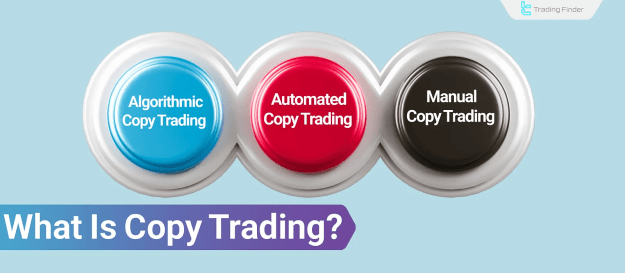
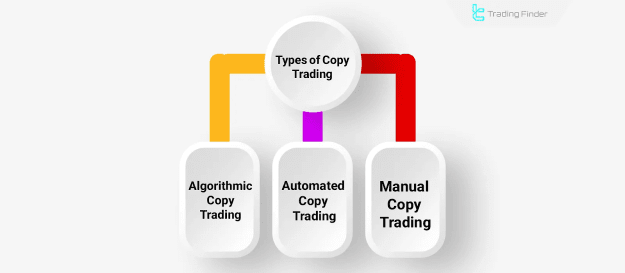
Types of Copy Trading
Copy trading can be categorised based on execution and investor involvement:
Manual Copy Trading
- Investors manually place trades after viewing the trades or signals of professional traders.
- Resembles trade consultancy more than automated trading.
Automated Copy Trading
- Investor accounts are directly connected to signal providers’ accounts.
- Trades are copied and executed instantly without manual intervention.
- Represents a fully hands-off passive investment approach.
Algorithmic Copy Trading
- Executes trades based on programmed strategies via APIs instead of copying a trader’s decisions.
- Allows customisation of risk parameters and trade size for tailored portfolio management.
Top Copy Trading Platforms
Several platforms support copy trading, but only a few maintain high standards of transparency, technical stability, and risk management.
eToro
- Launched in 2007; regulated by ASIC, FCA, and CySEC.
- Offers a user-friendly dashboard displaying trader performance, risk scores, and follower counts.
- Minimum copy trading investment is $200, with options for customised risk controls and stopping copying when required.
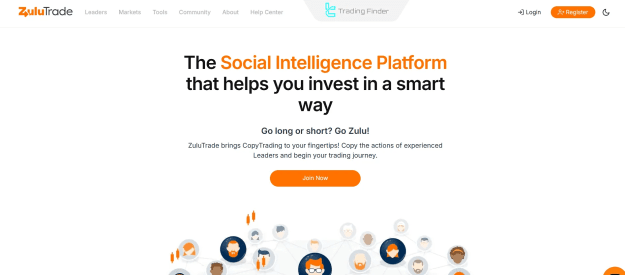
ZuluTrade
- Functions as a marketplace connecting investors and traders without intermediaries.
- Features ZuluRank, which evaluates traders based on consistency, drawdown, and risk management style.
- Includes ZuluGuard, an automated system that stops copying if the trader adopts unusually risky behaviour.
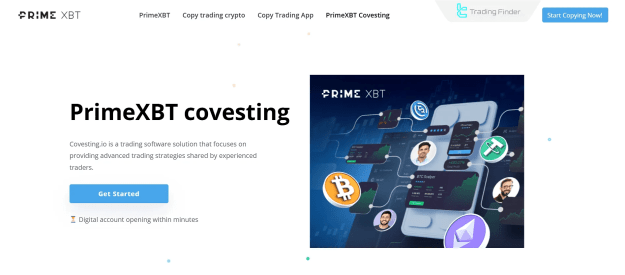
Covesting
- Integrated within the PrimeXBT exchange.
- Provides a real-time leaderboard showcasing traders’ strategies and performance updates for transparency.
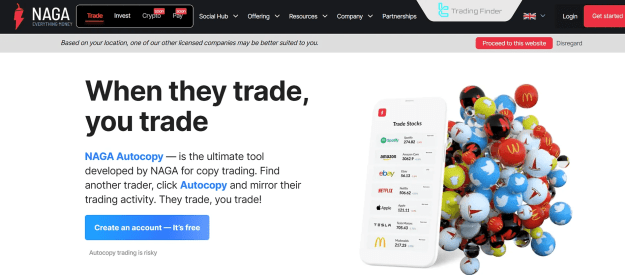
NAGA
- Combines copy trading with a financial social network for community interaction.
- Features Auto-Copy for replicating trades with a single click directly from traders’ shared analyses.
Copy Trading vs Mirror Trading
- Copy Trading: Investors replicate the real-time trades of a selected professional trader with control over capital allocation and provider choice.
- Mirror Trading: Executes trades based on pre-programmed algorithmic strategies without human decision replication, offering less user control.
Copy Trading vs Social Trading
- Copy Trading: Fully automated execution of trades based on another trader’s actions without manual intervention.
- Social Trading: Users review and analyse trade ideas or strategies shared by others but make their own final trading decisions.
Risks Involved in Copy Trading
Copy trading carries several risks that investors should consider:
- Strategies may not align with personal risk tolerance.
- Signal providers’ performance can fluctuate unexpectedly.
- Platforms may lack full transparency on trade execution.
- Concentrating capital with a single trader increases exposure.
- Technical failures can disrupt trade replication accuracy.
- Reduced direct control over individual trades.
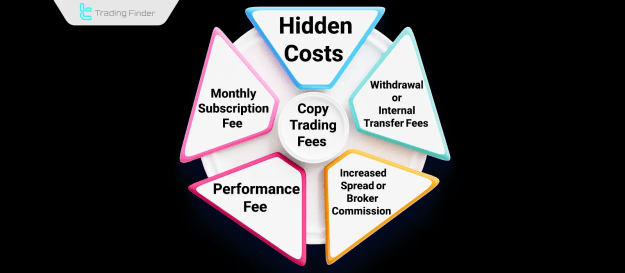
Fees Associated with Copy Trading
Copy trading platforms adopt varied fee models that impact net returns.
Common fees include:
- Performance fees: Charged as a percentage of net profits.
- Monthly subscriptions: Fixed payments for access to signal services.
- Increased spreads or broker commissions: Applied to copied trades.
- Withdrawal or transfer fees: Additional charges for fund movement.
- Hidden infrastructure costs: Execution delays or slippage creating pricing discrepancies.
Precautions Before Copy Trading
To minimise risks:
- Thoroughly analyse traders’ historical performance and drawdowns.
- Diversify capital across multiple traders to mitigate losses.
- Review trader experience, strategy consistency, and trading style.
- Test with a demo account before allocating real funds.
- Set an overall stop-loss to protect capital in volatile market conditions.
Copy Trading vs Other Passive Investments
Copy trading differs from other passive investments such as ETFs, crypto staking, and robo-advisory portfolios by offering higher return potential linked to human trading decisions, but with increased risk and lower predictability.
Conclusion
Copy trading is a viable passive investment strategy for individuals seeking to leverage professional traders’ expertise without active market involvement. However, success in copy trading depends on rigorous provider analysis, risk management, and a clear understanding of platform structures and associated costs.