

TP & SL Tool: Risk Reward Ratio Calculator RRR MT4 | Prop Firm Protector: Trade Assist Prop Firm Plus TF Expert MT4 | Money Management + DrawDown Protector: Trade Panel Prop Firm Drawdawn Limiter Pro MT4 |Get a free Expert Advisor license via Telegram and WhatsApp
Volatility tends to be range-bound, but these early movements provide a foundation for analysis in subsequent sessions. Currency pairs involving the Japanese Yen (JPY), Australian Dollar (AUD), and New Zealand Dollar (NZD) are the primary focus, with economic data from Japan, Australia, and China driving market reactions.
For day traders and scalpers, the Asian session offers a controlled environment with orderly price action, making risk management more predictable.
Asian Session Trading Hours
What Is the Asian Session?
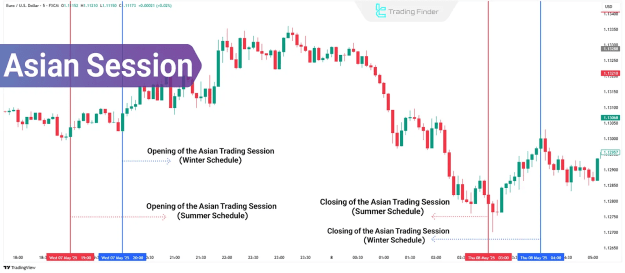
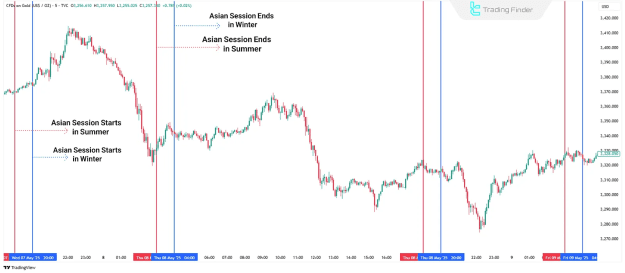
The Asian session unofficially begins with the Sydney market opening at 8:00 PM New York Time (NYT). The Tokyo market then takes over, with peak activity occurring between 7:00 PM and 1:00 AM NYT. The session typically concludes around 4:00 AM NYT.
Note: During Daylight Saving Time (Summer), New York time shifts one hour earlier.
Key Financial Centers in the Asian Session
- Tokyo – The dominant hub, influencing JPY pairs and regional sentiment.
- Sydney – Sets early momentum, particularly for AUD-related pairs.
- Hong Kong & Singapore – Contribute to liquidity in Asian and emerging market currencies.
Characteristics of the Asian Session
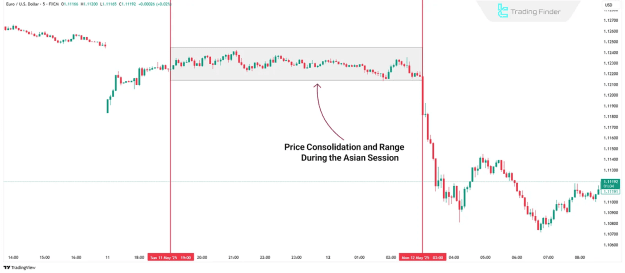
The Asian session is known for its lower volatility and tighter ranges, but it plays a crucial role in shaping daily market structure.
1. Low Volatility & Range-Bound Price Action
- Price movements are generally mild and corrective, with fewer strong trends.
- Many currency pairs trade within narrow ranges, which later serve as breakout or reversal zones in the London session.
2. Reduced Liquidity & Wider Spreads
- Liquidity is lower compared to European and U.S. hours, leading to higher spreads at the session open.
- USD/JPY, AUD/USD, and NZD/USD are among the most actively traded pairs.
3. False Breakouts & Price Compression
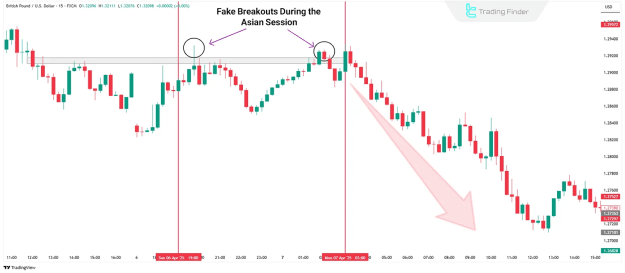
- Due to thin liquidity, fake breakouts are common, trapping inexperienced traders.
- Prices often revert quickly, providing liquidity for institutional players.
4. Influence on Later Sessions
- The Asian session’s highs and lows frequently act as key levels in the London session.
- Economic data (e.g., BOJ policy decisions, China’s GDP) can trigger gaps in European and U.S. markets.
Trading Strategies for the Asian Session
1. Risk Management in Low-Liquidity Conditions
- Avoid large position sizes due to potential slippage.
- Use tight stop-loss orders to manage unexpected volatility.
2. Optimal Currency Pairs to Trade
- Focus on AUD/USD, USD/JPY, NZD/USD, and other Asian-centric pairs.
- Avoid low-liquidity exotics unless spread conditions are favorable.
3. Wait for Tokyo Market Open
- The first hour after Tokyo opens (7:00 PM NYT) provides better liquidity.
- Early Sydney session moves are often false and erratic.
4. Use Asian Session Ranges for London Breakouts
- Identify support/resistance levels formed in Asia for potential breakout trades in London.
- A confirmed breakout with increasing volume signals a stronger trend.
How the Asian Session Impacts Later Trading
1. London Session Builds on Asian Price Action
- The Asian range often defines early London session strategies.
- Breakouts above/below Asian session extremes can indicate the day’s trend.
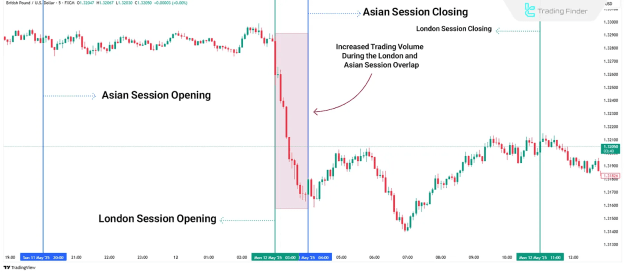
2. Overlap Between Tokyo & London (3:00–4:00 AM NYT)
- A surge in volume occurs as European traders react to Asian price action.
- Strong trends may extend or reverse during this overlap.
3. Asian Economic Data Influences Global Markets
- Major news (e.g., China’s PMI, Japan’s inflation data) can trigger gaps in European and U.S. indices.
- Safe-haven flows into the JPY often accelerate during risk-off periods.
Conclusion
Trading the Asian Session Effectively
While the Asian session is less volatile than London or New York, it provides critical structure and liquidity for the trading day.
Key Takeaways:
 Focus on AUD, JPY, and NZD pairs for optimal trading conditions.
Monitor Asian session ranges for breakout opportunities in later sessions.
Exercise caution with early trades due to low liquidity and false breakouts.
Use economic data from Japan, Australia, and China to anticipate market sentiment.