

TP & SL Tool: Risk Reward Ratio Calculator RRR MT5 | Prop Firm Protector: Trade Assist Prop Firm Plus TF Expert MT5 | Money Management + DrawDown Protector: Trade Panel Prop Firm Drawdawn Limiter Pro MT5 |Get a free Expert Advisor license via Telegram and WhatsApp
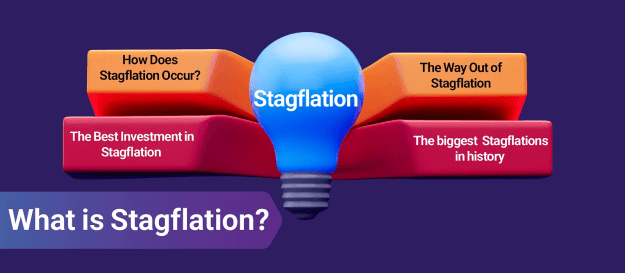
How Does Stagflation Occur?
Stagflation typically arises from unique circumstances that disrupt the normal economic equilibrium. While recession and inflation usually occur under separate conditions, certain supply-demand imbalances can trigger their simultaneous appearance.
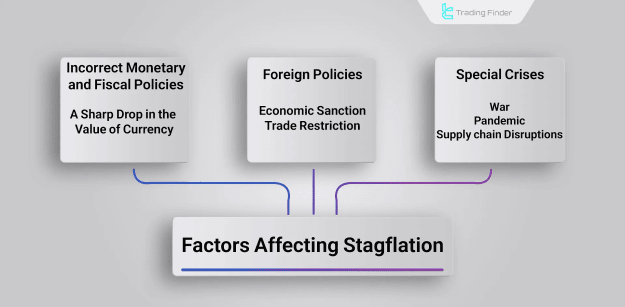
Factors Shaping Stagflation
Several key factors contribute to the onset and persistence of stagflation:
- Rising Prices of Essential Goods: A sudden and significant supply shock, particularly in the prices of essential goods like oil, can lead to increased production costs for businesses. This often results in reduced output, layoffs, and higher unemployment. Simultaneously, the elevated raw material costs are passed on to consumers, driving up the prices of final products.
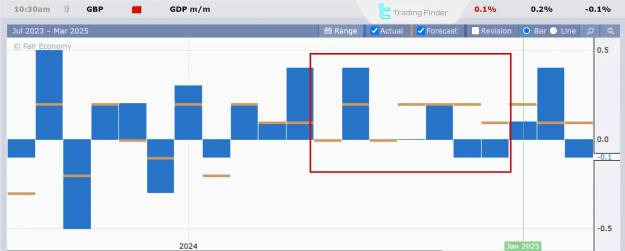
- Poor Monetary and Fiscal Policies: Inappropriate government policies can exacerbate stagflation. Excessive money printing and rapid liquidity growth, while intended to stimulate the economy, can reduce consumers' purchasing power due to inflation. Conversely, policies like high taxes or reduced government spending can increase producers' costs and suppress consumer demand, further contributing to stagflationary pressures. For example, a decline in UK GDP in the second half of 2024, stemming from sharp tax increases, illustrates how such fiscal policies can push an economy towards stagflation if sticky inflation persists.
- Foreign Policies and Trade Restrictions: Economic sanctions and trade barriers, such as import tariffs and disruptions to global supply chains, restrict the availability of goods and increase the cost of raw materials. These factors contribute to both higher prices and reduced economic activity, fostering a stagflationary environment.
- Exchange Rate Volatility (Sharp Currency Depreciation): A significant and rapid depreciation of a country's currency reduces its purchasing power and dampens domestic demand. This can trigger stagflation by making imports more expensive (leading to imported inflation) and hindering economic growth, particularly in import-dependent economies.
Overcoming Stagflation
Policymakers face intricate challenges in navigating and resolving stagflation. A multi-pronged approach, integrating various economic tools and supportive policies, is typically required.
- Exchange Rate Adjustment: During periods of extreme currency fluctuations, which can worsen recessionary trends, proper exchange rate adjustments are crucial. By boosting exports and mitigating imported inflation, a country can begin to exit stagflation.
- Increased Investment and Government Spending: Strategic investment and government spending aimed at supporting domestic production and job creation can improve overall output and stimulate consumer demand, helping to break the cycle of stagflation. However, such spending must be carefully planned to avoid long-term debt accumulation.
- Political and Economic Stability: Attracting foreign investment is vital for economic recovery, as it can lead to job creation and increased production. However, securing such investment hinges on establishing and maintaining political and economic stability, as capital security remains a top priority for investors.
How Does a Country’s Currency React During Stagflation?
The reaction of a country's currency during stagflation can vary. Typically, central banks employ contractionary monetary policies to combat inflation, often prioritizing inflation control over immediate recession recovery, especially in developed economies. Generally, the currency tends to weaken in the forex market during stagflation, although it might experience temporary strengthening under strict contractionary measures.
Best Investments During Stagflation
During stagflation, traditional growth-driven investments may perform poorly. Investors often seek safe-haven assets to protect their capital from both inflation and economic stagnation.
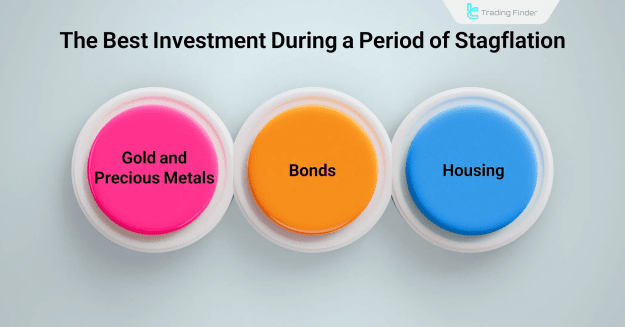
Recommended assets during stagflation include:
- Gold: Precious metals like gold and silver traditionally act as inflation hedges, providing a store of value and protecting capital during periods of high inflation.
- Bonds: Fixed-income securities, such as government or corporate bonds, can be ideal for capital preservation during stagflation due to their predictable returns.
- Real Estate: Property in high-growth areas can be a viable investment during stagflation, offering potential for long-term appreciation and rental income.
Major Historical Stagflation in Economy
Stagflation is a complex economic phase that can persist for several years. Notable historical stagflation crises include:
The 1970s Stagflation Crisis
The 1970s witnessed a severe stagflation crisis, primarily triggered by oil supply shocks that lasted for nearly a decade. The first oil shock in 1973, caused by OPEC's supply cuts, quadrupled oil prices. A second shock followed in 1978 with the Iranian revolution, which further disrupted oil supply and caused another price surge.
Consequences of 1970s Stagflation:
- Sharp economic decline in industrialized nations.
- Double-digit inflation in the US and Europe.
- High unemployment and reduced consumer purchasing power.
- Declining competitiveness of UK industries.
- Widespread strikes and drops in productivity.
This crisis was eventually brought under control through contractionary monetary policies and sharp interest rate hikes, though these measures initially intensified unemployment.
Iran’s Stagflation Crisis
Iran has experienced recurrent stagflation in recent decades, primarily due to post-revolution sanctions, declining oil exports, and persistent currency depreciation. Iran's stagflation is deeply rooted in its heavy reliance on oil, currency devaluation, and rising import costs.
Consequences of Iran’s Stagflation:
- Persistent double-digit inflation.
- High unemployment and reduced consumer purchasing power.
Russia’s Stagflation Crisis
In the 1990s, Russia grappled with both hyperinflation and recession during its transition from a command economy to a market economy.
Consequences of Russia’s Crisis:
- Hyperinflation (exceeding 200% in some years).
- A deep recession and mass unemployment.
Russia eventually overcame this period of stagflation after six years, aided by comprehensive economic reforms and foreign assistance.
Conclusion
Stagflation represents one of the most challenging economic phases, combining declining economic growth, rising unemployment, and high inflation. Overcoming it necessitates a blend of prudent monetary policies, supportive measures, and initiatives to boost production. During such periods, strategic investments in assets like gold, bonds, and real estate are often advisable to preserve capital.