

TP & SL Tool: Risk Reward Ratio Calculator RRR MT5 | Prop Firm Protector: Trade Assist Prop Firm Plus TF Expert MT5 | Money Management + DrawDown Protector: Trade Panel Prop Firm Drawdawn Limiter Pro MT5 |Get a free Expert Advisor license via Telegram and WhatsApp
What is the Carry Trade Strategy?
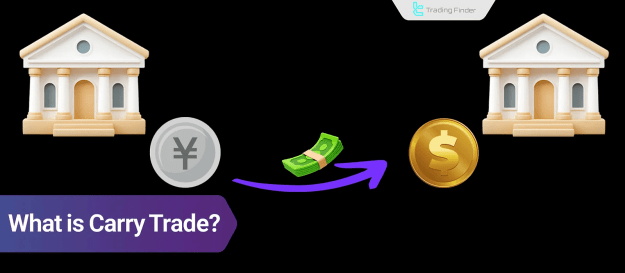
The carry trade is a trading strategy built upon fundamental analysis, designed to generate profits from the disparity in interest rates between different economies. Traders typically borrow funds from a country with a low interest rate, like Japan, and then invest these funds in an economy offering a significantly higher interest rate. The interest earned from the higher-yielding investment is intended to comfortably cover the cost of borrowing, thereby generating a profit for the trader.
Advantages and Disadvantages of the Carry Trade Strategy
While the carry trade can offer low-risk profits in stable market conditions, it also carries inherent risks.
- Advantages:
- Potential for low-risk profits from bond investments, especially during periods of low volatility.
- Opportunity to profit from currency appreciation if the invested currency strengthens against the borrowed currency.
- Disadvantages:
- Significant risk of interest rate fluctuations, which can erode or reverse the profit margin.
- High sensitivity to market sentiment, making it vulnerable to sudden shifts in investor risk appetite.
Factors Influencing Carry Trade
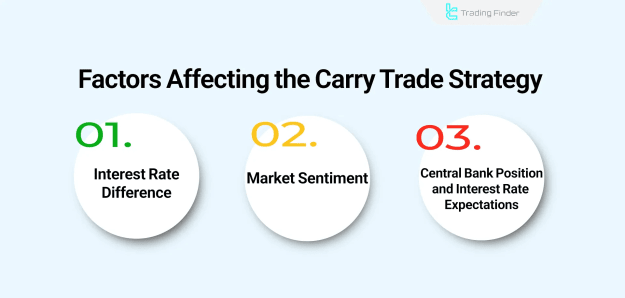
The success and viability of a carry trade strategy are heavily dependent on several key factors, with interest rate differentials being paramount.
- Key Factors Affecting Carry Trade:
- Interest rate differentials: A wider spread between borrowing and lending rates directly correlates with higher potential profits for carry traders.
- Market sentiment: Since borrowed capital is deployed in financial markets, risk aversion or risk appetite significantly impacts the volume and profitability of carry trades. In risk-on environments, carry trades tend to increase.
- Monetary policy: The stance of central banks regarding interest rate changes and their overall monetary policy directly influences market sentiment and, consequently, the attractiveness of carry trades.
The Impact of Market Sentiment on Carry Trade and the Japanese Yen’s Performance
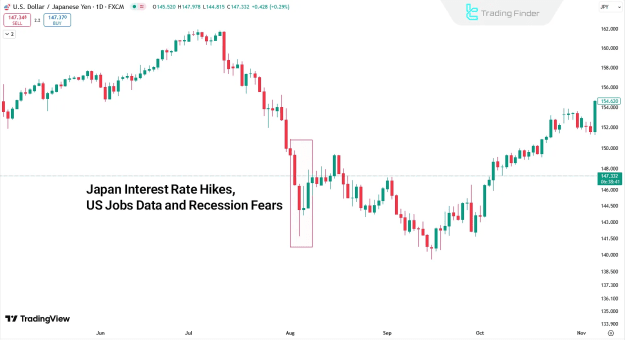
Carry traders strategically invest borrowed funds into high-yield financial markets. This activity typically escalates during bullish market conditions and risk-on sentiment, as investors anticipate greater returns. Conversely, during periods of economic recession and risk-off sentiment, carry traders are less inclined to borrow and invest, leading to a decrease in carry trade activity.
The Inverse Relationship Between the Yen and Global Investment Markets
Due to the substantial capital flows from carry traders, the Japanese yen often exhibits an inverse relationship with global financial markets. When global markets rally, the yen tends to weaken because investors borrow and sell the yen to acquire higher-yielding, riskier assets elsewhere.
The Link Between the Japanese Yen and Carry Trade
For decades, Japan has maintained significantly lower interest rates compared to other major economies, establishing the Japanese yen as a prime funding currency for carry traders. This dynamic leads to currency depreciation of the yen, as traders convert the borrowed yen into the currency of the destination country for investment purposes, creating continuous downward pressure on the yen.
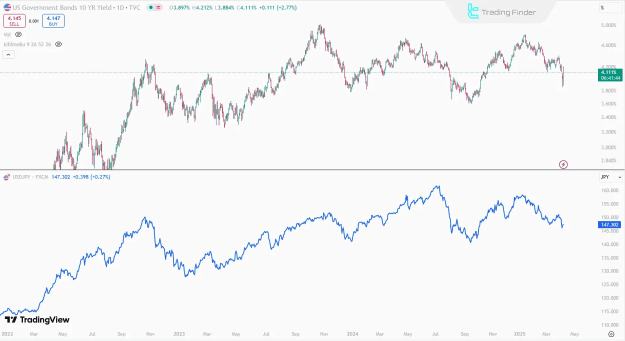
The Relationship Between the Yen and U.S. Bond Yields
The US10Y index (U.S. 10-year bond yields) demonstrates a notable correlation with the USD/JPY pair.
- Key Reasons for the Correlation Between the Yen and U.S. Bond Yields:
- Safe-haven status: Both the yen and U.S. Treasury bonds are considered safe-haven assets during times of economic uncertainty or recession. Increased demand for these assets during such periods can boost bond prices (leading to lower yields) and strengthen the yen (causing the USD/JPY pair to fall).
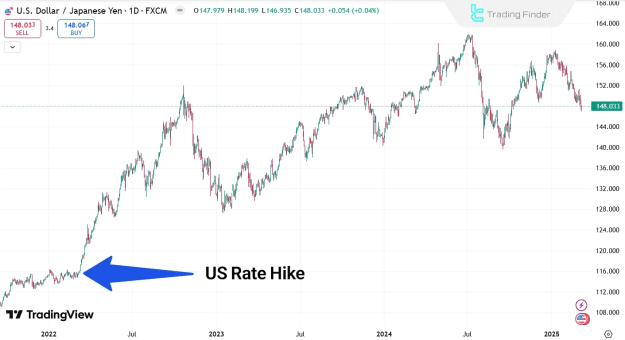
- Carry traders: Rising U.S. bond yields make the U.S. market more attractive to carry traders, prompting them to sell the yen to invest in U.S. assets. Expectations of rate hikes in the U.S. widen the yield gap, further contributing to yen weakness.
Overall, the Japanese yen's trend is influenced more significantly by central bank interventions, prevailing global economic conditions, and the extent of carry trade activity than by routine economic data releases.
Conclusion
The Carry Trade strategy is a prominent trading approach that leverages interest rate differentials between two economies. It involves selling currencies with low yields and investing the proceeds in markets offering higher yields, aiming to profit from the interest rate spread. Monitoring carry trade capital flows is crucial for conducting effective forex market analysis, especially when evaluating the Japanese yen's performance. Furthermore, market sentiment and broader global economic trends play a pivotal role in dictating the volume and success of carry trade activities.