

TP & SL Tool: Risk Reward Ratio Calculator RRR MT5 | Prop Firm Protector: Trade Assist Prop Firm Plus TF Expert MT5 | Money Management + DrawDown Protector: Trade Panel Prop Firm Drawdawn Limiter Pro MT5 |Get a free Expert Advisor license via Telegram and WhatsApp
Best Days for Forex Trading
The period from Tuesday through Thursday is widely recognized as the prime time for forex trading. These days consistently exhibit a notable surge in trading volume and price volatility, creating ample opportunities for both short-term and long-term traders.
Why Midweek Excels
- Heightened Activity: Tuesday, Wednesday, and Thursday coincide with the release of critical economic data and news. This influx of information prompts active participation from a diverse range of market players, including retail traders, central banks, and large institutional entities.
- Ideal Conditions for Volatility Trading: The concentrated market activity during midweek sessions fosters ideal conditions for volatility trading. Traders can capitalize on more predictable price movements, allowing for timely entries and exits. Analysts heavily rely on market data and sentiment during these periods to identify optimal trading zones.
Most Active Trading Days
Tuesday and Thursday are particularly notable for experiencing the highest trading volume, superior liquidity, and the tightest spreads. This increased institutional participation after the market open contributes to more predictable price movements, which is highly beneficial for strategic trading.
High-Risk Trading Days
Identifying and avoiding high-risk trading days is just as important as knowing the best days. These periods are characterized by reduced liquidity and more erratic market behavior, which can lead to poor entry points and increased risk.
- Monday: The return of traders from the weekend often creates unstable and unpredictable market conditions.
- Friday: As the New York session approaches its close, liquidity typically declines. This is primarily due to institutional players closing their positions before the weekend, leading to decreased volatility and potentially sharp, unpredictable moves.
- Major Economic Release Days: During significant economic data releases, liquidity providers may temporarily exit the market to avoid exposure to sudden and large price swings.
- Bank Holidays: The absence of major market participants during bank holidays leads to significantly lower trading volumes and often erratic volatility, making it challenging to execute trades effectively.
Busiest Hours in the Forex Market
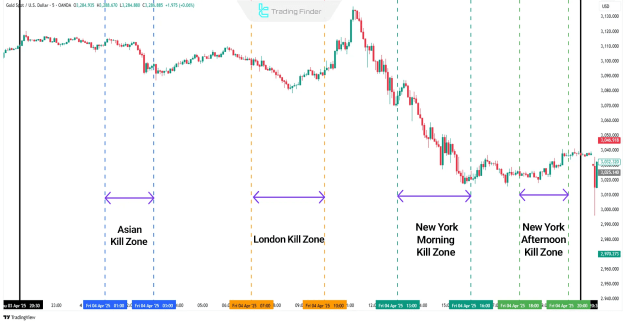
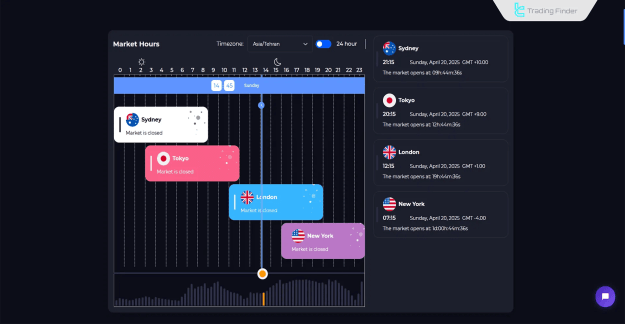
The London-New York overlap consistently records the highest daily trading volume. This period benefits from the active participation of major banks, financial institutions, and retail traders across two of the world's largest financial centers. Significant price movements and optimal trading opportunities frequently occur during the "Kill Zones" within these sessions.
Major Kill Zones Throughout the Day (UTC)
- Asian Kill Zone: 01:00 to 03:00 UTC
- London Kill Zone: 07:00 to 10:00 UTC
- First Half of New York Kill Zone: 13:00 to 16:00 UTC (overlaps with the London session)
- Second Half of New York Kill Zone: 18:00 to 20:00 UTC (often coincides with major economic news releases)
Best Months for Trading
Beyond the weekly cycles, understanding monthly market trends can also provide a strategic advantage. Markets generally exhibit stronger performance at the beginning of the year. The "January Effect," characterized by mass sell-offs creating opportunities for new investors, contributes to heightened volatility between January and May, making this period ideal for active trading. Post-summer, the period from September to November also sees a resurgence of strong market activity.
Conclusion
For intraday traders, Tuesday, Wednesday, and Thursday are unequivocally the best days to trade forex. These days offer the maximum volume and volatility, enabling traders to identify ideal entry times, particularly after the market opens and during the identified Kill Zones. Conversely, Mondays and Fridays are less favorable for active trading due to their lower volume and decreased volatility, making them less ideal for capitalizing on significant price movements.