

TP & SL Tool: Risk Reward Ratio Calculator RRR MT4 | Prop Firm Protector: Trade Assist Prop Firm Plus TF Expert MT4 | Money Management + DrawDown Protector: Trade Panel Prop Firm Drawdawn Limiter Pro MT4 |Get a free Expert Advisor license via Telegram and WhatsApp
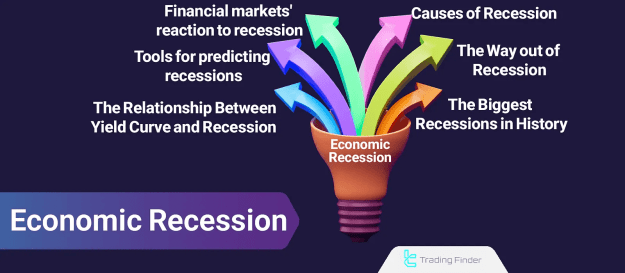
What is a Recession?
Academically, an economy is considered to be in a recession when it records negative economic growth for two consecutive quarters. During a recession, several
key indicators reflect a downturn:
- Gross Domestic Product (GDP) declines: The total value of goods and services produced within the economy diminishes.
- Increased unemployment: Companies often resort to layoffs in response to reduced demand and sales, leading to a rise in the unemployment rate.
- Slower wage growth: A cooling labor market typically suppresses wage increases.
- Sharp drop in demand: Higher unemployment and reduced wages significantly curtail consumer spending.
- Reduced consumer confidence: Trust in both the current and future economic outlook weakens considerably.
- Higher savings: Economic uncertainty often prompts consumers to prioritize saving over spending.
Negative Consequences of Economic Recession:
- Increased Unemployment: Reduced demand and sales volumes compel businesses to reduce their workforce.
- Slower Wage Growth: A less competitive labor market limits opportunities for wage increments.
- Reduced Demand: Higher unemployment and lower wages lead to a substantial decrease in consumer purchasing power.
- Eroded Consumer Confidence: Uncertainty about economic prospects undermines consumer trust.
- Higher Savings: Consumers tend to increase their savings as a precautionary measure against economic instability.
How Does an Economic Recession Form?
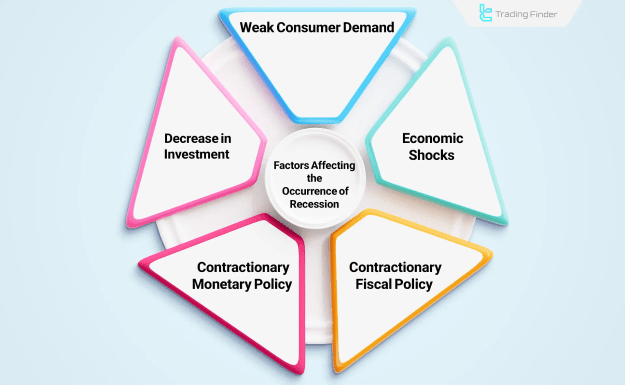
Multiple factors can trigger an economic recession, encompassing a range of monetary and fiscal policies, economic shocks, and shifts in demand and investment.
Factors influencing economic recessions
Contractionary policies, economic shocks, and reduced investment are primary contributors to economic downturns.
- Contractionary Monetary Policy: Tight monetary policies, such as interest rate hikes, are significant drivers of recession. Elevated interest rates reduce liquidity by making business borrowing more expensive, thereby discouraging investment and expansion. While these rate hikes aim to curb economic inflation, prolonged tightening can inadvertently lead to a recession.
- Currency Appreciation: Countries experiencing persistent currency strength coupled with deflation, such as Japan or Switzerland, often encounter weak demand, sluggish growth, and heightened recession risks.
- Fiscal Policies: Government decisions to significantly increase taxes can exert pressure on producers, leading to a decline in overall economic growth.
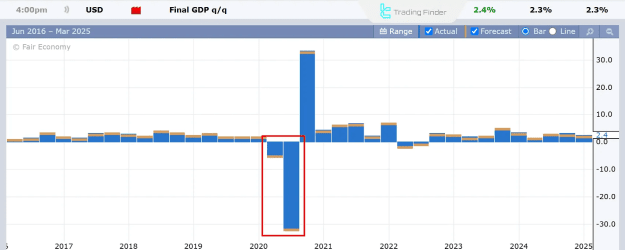
- Economic Shocks: Unexpected events like wars, widespread supply shortages, or global pandemics (e.g., COVID-19) can severely disrupt production and increase unemployment, thereby sparking recessions. The 2020 U.S. recession was a direct consequence of the COVID-19 pandemic.
Major Historical Recessions
Throughout economic history, there have been several severe recessionary crises that resulted in widespread business bankruptcies. However, advancements in economic science and the expansion of central bank tools for managing monetary policy and liquidity have generally made recession cycles less intense in recent times. For instance, the COVID-19 crisis led to only a mild recession in the United States, with a relatively quick return to economic growth.
The 2008 Financial Crisis
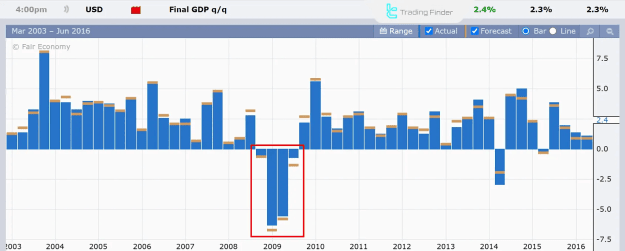
The 2008 economic recession stands as one of the most severe modern crises, originating in the U.S. financial system with global repercussions. This crisis stemmed from deep-rooted issues within the banking sector, particularly concerning mortgage lending. Banks had extensively issued adjustable-rate mortgage loans with insufficient oversight. As interest rates subsequently rose, many borrowers found themselves unable to meet their repayment obligations, triggering a widespread crisis.
Following the 2008 financial meltdown, unemployment rates surged, businesses faced significant struggles, and millions of individuals lost their homes. The resolution of this crisis involved drastic interest rate cuts, the implementation of expansionary monetary policies, and major structural reforms within the banking and regulatory systems.
Japan’s Lost Decade
Japan's "Lost Decade" in the 1990s marked a prolonged period of economic stagnation. This recession was a culmination of factors including the aftermath of the Plaza Accord, significant yen appreciation, and a subsequent decline in Japanese exports. In the early 1990s, the Bank of Japan sharply raised interest rates to combat inflation, which ultimately led to the bursting of stock and real estate bubbles. During this period, numerous Japanese companies faced severe financial distress.
How to Overcome an Economic Recession?
Governments and central banks deploy a combination of expansionary monetary and fiscal policies, alongside production support, to mitigate the effects of recessions and stimulate economic recovery.
Policy Tools Against Recession:
- Expansionary monetary policy
- Expansionary fiscal policy
- Political stabilization
Expansionary Monetary Policy
The central bank utilizes its tools to increase liquidity within the financial system, aiming to restore economic growth. The key tools of expansionary monetary policy include:
- Interest rate cuts: Lowering interest rates increases liquidity in the banking system and encourages producers to borrow more for investment and expansion.
- Bond purchases: Through Quantitative Easing (QE), the central bank injects liquidity into the economy by purchasing government bonds and other securities.
- Reduction of the reserve requirement: By lowering the percentage of deposits banks must hold in reserve, the central bank increases banks’ available funds for lending, thereby boosting liquidity.
Expansionary Fiscal Policy
The government supports production and businesses through expansionary fiscal policies, which include:
- Increased government spending: Government investment in infrastructure projects stimulates economic growth by creating jobs and increasing aggregate demand.
- Tax cuts: Reducing taxes, whether for individuals or businesses, leads to higher disposable personal income (DPI) and encourages greater investment in production.
- Support for producers: Government initiatives to support the private sector and foster the development of new technologies can improve productivity and create new markets.
Political Stabilization
Political tensions can significantly impede economic growth by reducing consumer confidence and prompting foreign investors to withdraw capital. By establishing political and economic stability, governments can foster domestic demand and attract crucial foreign investment.
Recession Forecasting Tools
While predicting a recession is inherently uncertain and complex, various economic data can provide warning signs of weakening economic growth. Central banks often take preventive measures when these signals emerge, such as a weakening labor market, declining demand, and deteriorating consumer sentiment.
- PMI Data: The Purchasing Managers’ Index (PMI) reflects the health of the manufacturing and services sectors. Downturns in PMI data can hint at an impending recession.
- Employment Data: A weakening labor market is a serious warning sign. Significant deterioration in job-related data, such as Non-Farm Payrolls (NFP), ADP reports, and the overall unemployment rate, can have a substantial impact on economic growth.
- Consumer Sentiment: Surveys measuring consumer sentiment reflect public confidence in the economy. If consumers are experiencing financial pressure, this will be evident in these surveys.
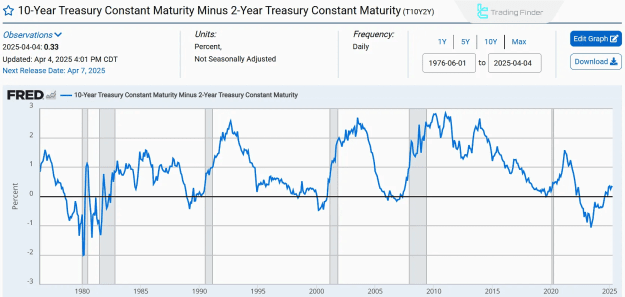
- Yield Curve Inversion: When the yield curve becomes downward-sloping or inverted (meaning short-term bond yields are higher than long-term bond yields), it is widely considered a strong warning sign of a forthcoming recession. This inversion often indicates rising demand for long-term bonds, driven by fears of a future economic downturn. It is important to note that while an inverted yield curve has predicted past recessions, it does not guarantee one, but it should be taken as a serious signal. The U.S. yield curve has historically predicted several past recessions.
Assets That Perform Best During Economic Recessions
During periods of weakened production and reduced liquidity associated with a recession, risky assets like stocks or cryptocurrencies tend to decline sharply. In contrast, investors typically turn to safe-haven assets, reflecting a prevailing risk-off sentiment in the market.
- Gold and Precious Metals: Due to its limited supply, gold is often considered inflation-resistant and tends to retain or gain value in the long term, especially during economic uncertainty. Lower interest rates can also boost gold prices. Other precious metals like silver and platinum may behave similarly but are generally more volatile due to their industrial applications.
- Government Bonds: Government bonds are considered ultra-low-risk assets and are in high demand during recessions. Governments are typically able to honor their bond payments even during severe crises, making them an extremely safe investment.
- Safe-Haven Currencies: Weak demand during recessions typically leads to lower or stabilized inflation (unless stagflation occurs). Consequently, holding fiat currencies can become attractive. Currencies like the U.S. Dollar (USD), Japanese Yen (JPY), and Swiss Franc (CHF) often strengthen during periods of recession fears or general risk aversion in the forex market.
Conclusion
A recession is an unfavorable phase of the economic cycle, often triggered by contractionary monetary and fiscal policies or other contributing factors such. An economic recession typically leads to a rise in unemployment and a decline in inflation due to weak demand. During such periods, safe-haven assets, including gold, government bonds, and certain low-risk currencies, experience increased demand from investors seeking to preserve capital.