

TP & SL Tool: Risk Reward Ratio Calculator RRR MT5 | Prop Firm Protector: Trade Assist Prop Firm Plus TF Expert MT5 | Money Management + DrawDown Protector: Trade Panel Prop Firm Drawdawn Limiter Pro MT5 |Get a free Expert Advisor license via Telegram and WhatsApp
- Price discovery - Establishing transparent market values
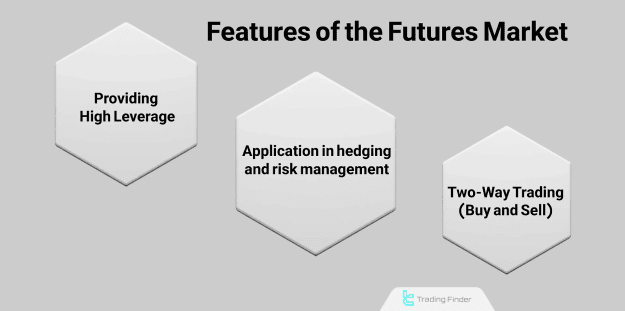
- Risk management - Allowing hedging against price fluctuations
- Speculation - Providing opportunities for leveraged trading
Key Components of Every Futures Contract
All futures contracts contain these essential elements:
- Underlying asset (commodities, currencies, stock indices, etc.)
- Contract size (quantity of the underlying asset)
- Expiration date (when the contract settles)
- Price terms (how the asset is priced)
- Settlement method (physical delivery or cash settlement)
Section 2: The Global Futures Marketplace
Major Trading Hubs Worldwide
CME Group (Chicago Mercantile Exchange)
- The world's largest financial derivatives exchange
- Key products: Interest rate futures, stock index futures, agricultural commodities
Intercontinental Exchange (ICE)
- Dominates energy and soft commodity markets
- Home to benchmark Brent crude oil contracts
Eurex Exchange
- Europe's leading derivatives marketplace
- Specializes in European interest rate products
London Metal Exchange (LME)
- Global center for industrial metals trading
- Unique daily pricing and settlement system
Singapore Exchange (SGX)
- Asia's premier derivatives exchange
- Focuses on Asian equity index products
Section 3: Practical Trading Applications
Risk Management Strategies
Corporate Hedging Examples:
- Oil producers locking in future selling prices
- Airlines securing future jet fuel costs
- Multinational corporations managing currency risk
Institutional Uses:
- Asset managers adjusting portfolio exposure
- Bond investors hedging interest rate risk
- Arbitrage traders capitalizing on pricing discrepancies
Speculative Trading Approaches
Common Trading Strategies:
- Directional bets on price movements
- Calendar spreads across contract months
- Inter-market spreads between related assets
- Index arbitrage opportunities
Section 4: Core Trading Concepts
Understanding Margin Requirements
- Initial Margin: Deposit needed to open a position (typically 3-15% of contract value)
- Maintenance Margin: Minimum account balance required
- Variation Margin: Daily settlement of profits/losses
Market Pricing Dynamics
- Contango: When futures prices exceed spot prices
- Backwardation: When futures prices fall below spot prices
- Convergence: How futures and spot prices align at expiration
Section 5: Market Analysis Techniques
Essential Trading Indicators
- Open Interest Analysis
- Measures total outstanding contracts
- Helps identify market trends
- Volume Analysis
- Tracks trading activity levels
- Confirms price movement validity
- Commitment of Traders (COT) Reports
- Reveals positions of different trader types
- Helps spot potential market extremes
Section 6: Risk Management Essentials
Fundamental Risk Principles
- Position Sizing - Limit exposure per trade
- Stop-Loss Orders - Define maximum acceptable loss
- Portfolio Diversification - Spread risk across markets
- Leverage Management - Understand margin implications
Common Trading Mistakes
- Overusing leverage
- Ignoring liquidity constraints
- Misunderstanding contract specs
- Neglecting rollover costs
Section 7: Advanced Trading Concepts
Sophisticated Trading Strategies
Calendar Spread Trading:
- Exploits price differences between contract months
- Benefits from term structure movements
- Typically lower risk than outright positions
Inter-Commodity Spreads:
- Trades price relationships between markets
- Example: Gold vs. silver ratio trading
- Requires deep fundamental understanding
Section 8: Trading Technology
Essential Trading Tools
- Professional Trading Platforms
- Advanced Charting Software
- Real-Time Risk Systems
- Algorithmic Trading Solutions
Conclusion
The Path to Trading Mastery
Becoming proficient in futures trading requires:
- Solid Education - Master market mechanics
- Disciplined Execution - Follow trading plans
- Continuous Learning - Stay updated on markets
- Risk Awareness - Respect market volatility