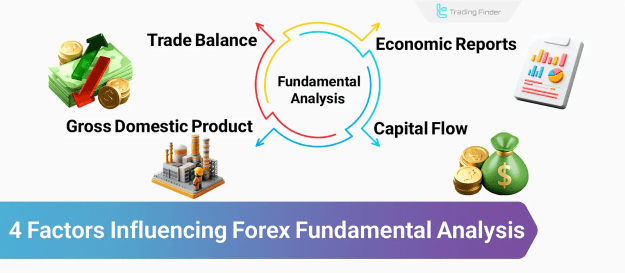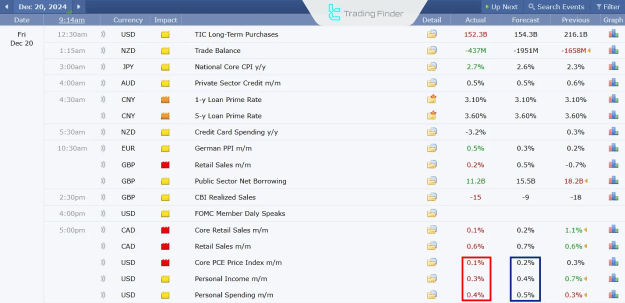


- Economic Reports & Indicators
- Gross Domestic Product (GDP) Trends
- International Capital Flows
- Trade Balance Dynamics
These factors collectively determine currency supply and demand, shaping both short-term volatility and long-term trends in the forex market.
TP & SL Tool: Risk Reward Ratio Calculator RRR MT4 | Prop Firm Protector: Trade Assist Prop Firm Plus TF Expert MT4 | Money Management + DrawDown Protector: Trade Panel Prop Firm Drawdawn Limiter Pro MT4 |Get a free Expert Advisor license via Telegram and WhatsApp
The Four Critical Components of Forex Fundamental Analysis
1. Economic Indicators: The Pulse of Currency Markets
Market-moving economic data falls into three primary categories:
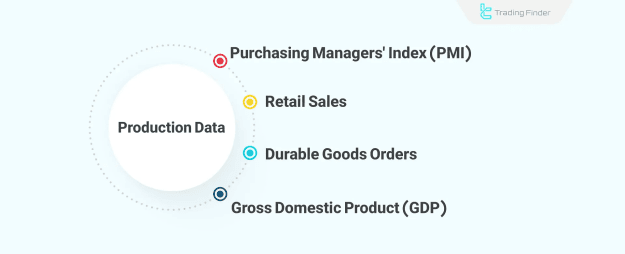
A. Growth & Production Metrics
- PMI (Purchasing Managers' Index): A leading indicator of manufacturing sector health (Readings >50 signal expansion)
- Retail Sales: Measures consumer spending strength
- Industrial Production: Tracks output from factories and utilities
- GDP Growth Rate: The broadest measure of economic performance
B. Labor Market Indicators
- Non-Farm Payrolls (NFP): The most watched employment report
- Unemployment Rate: Key measure of labor market slack
- Average Hourly Earnings: Wage growth indicator
C. Inflation Measurements
- CPI (Consumer Price Index): Standard inflation gauge
- Core PCE: The Fed's preferred inflation measure
- PPI (Producer Price Index): Early warning signal for consumer inflation
Market Impact: Better-than-expected data typically strengthens the currency, while disappointing figures weaken it.
2. GDP: The Ultimate Economic Health Check
GDP represents the total monetary value of all goods and services produced within a country. Forex traders monitor:
- Quarterly GDP Growth Rates
- GDP Components Breakdown (Consumption, Investment, Government Spending, Net Exports)
- Year-over-Year Comparisons
Trading Implications:
- Strong GDP Growth → Currency appreciation (attracts investment)
- Weak GDP Growth → Currency depreciation (prompts dovish monetary policy)
3. Capital Flows: Tracking the Money Trail
International investment movements significantly impact currency valuations through:
A. Foreign Direct Investment (FDI)
- Long-term investments in physical assets
- Indicates confidence in an economy's fundamentals
B. Portfolio Investment Flows
- Short-term investments in stocks and bonds
- Highly sensitive to interest rate differentials
Key Relationships:
- Capital Inflows → Currency demand increases → Appreciation
- Capital Outflows → Currency supply increases → Depreciation
4. Trade Balance: The Export-Import Equation
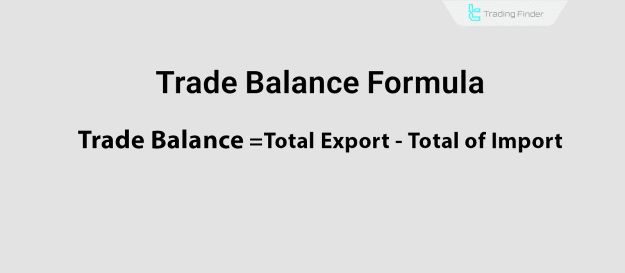
The trade balance measures the difference between a nation's exports and imports:
- Trade Surplus (Exports > Imports): Generally currency-positive
- Trade Deficit (Imports > Exports): Typically currency-negative
Critical Influencing Factors:
- Commodity Prices (For resource-dependent economies)
- Exchange Rate Levels
- Global Demand Patterns
Strategic Application in Forex Trading
- Short-Term Trading: Focus on high-impact economic releases (NFP, CPI, Central Bank decisions)
- Medium-Term Positioning: Analyze GDP trends and capital flow patterns
- Long-Term Investing: Monitor structural trade balances and productivity growth
Essential Tools for Fundamental Forex Analysis
- Economic Calendar (Forex Factory, Investing.com)
- Central Bank Policy Trackers
- Balance of Payments Reports
- Commodity Price Dashboards
Conclusion
Building a Robust Fundamental Analysis Framework
Successful forex traders combine:
Real-time economic data monitoring
Deep understanding of macroeconomic relationships
Contextual interpretation of indicators