

TP & SL Tool: Risk Reward Ratio Calculator RRR MT4 | Prop Firm Protector: Trade Assist Prop Firm Plus TF Expert MT4 | Money Management + DrawDown Protector: Trade Panel Prop Firm Drawdawn Limiter Pro MT4 |Get a free Expert Advisor license via Telegram and WhatsApp
Why Interest Rates Matter
Interest rates represent the cost of borrowing money and serve as a key determinant of economic activity. When central banks alter rates, they directly impact:
- Currency strength (higher rates typically appreciate a currency)
- Inflation levels
- Business investment decisions
- Consumer spending patterns
For instance, a 2% increase on a $100,000 loan raises borrowing costs by $2,000 annually - a significant factor for businesses and households alike.
The Economic Impact of Rate Changes
Inflation Control Mechanism
Central banks employ interest rates as their primary weapon against inflation:
- Rate hikes reduce money supply → lower demand → cooling inflation
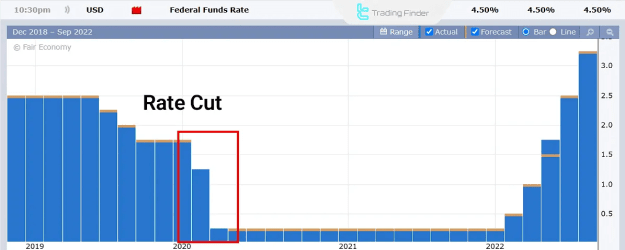
- Rate cuts increase liquidity → stimulate spending → potential inflationary pressure
The 2022-2024 global inflation surge demonstrated this clearly, with aggressive rate hikes by the Fed, ECB, and other major central banks eventually taming price growth.
Growth and Employment Effects
The interest rate/growth relationship follows predictable patterns:
Expansionary Policy (Rate Cuts):
✓ Boosts business investment
✓ Encourages consumer spending
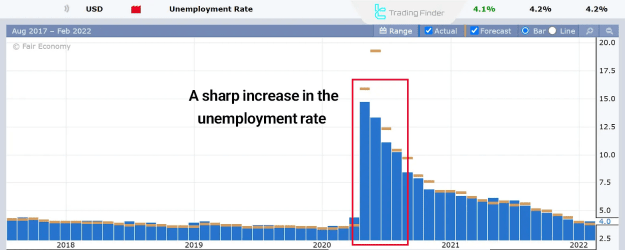
✓ Reduces unemployment
✗ Risks overheating economy
Contractionary Policy (Rate Hikes):
✓ Controls inflation
✓ Stabilizes currency
✗ Slows economic growth
✗ Increases unemployment
Market-Specific Impacts
Foreign Exchange Markets
Currencies fundamentally react to interest rate differentials:
- Higher relative rates → Capital inflows → Currency appreciation
- Lower relative rates → Capital outflows → Currency depreciation
Traders closely monitor central bank communications for hints about future policy direction, often creating significant pre-meeting volatility.
Equity Markets
Corporate valuations are deeply tied to financing costs:
- Low-rate environments favor growth stocks and tech companies
- High-rate periods benefit financial institutions but pressure highly-leveraged firms
The 2023 market rotation from tech to value stocks perfectly illustrated this dynamic as rates rose.
Commodities and Gold
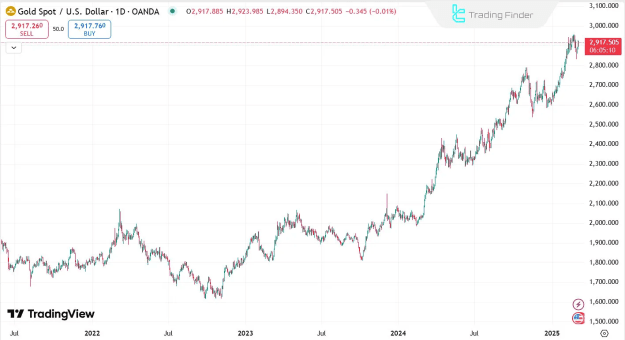
While gold traditionally moves inversely to rates, recent years have shown exceptions:
- Normal correlation: Rates up → Gold down (opportunity cost increases)
- Crisis periods: Both can rise together (safe-haven demand overrides)
The 2023 gold rally amidst rising rates demonstrated how geopolitical risks can distort traditional relationships.
Forward Guidance and Market Psychology
Modern central banking emphasizes policy signaling through:
- Official statements
- Economic projections
- Press conferences
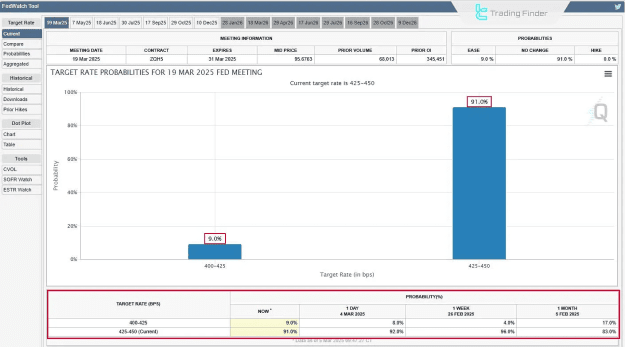
Tools like the CME FedWatch Tool quantify market expectations, with probabilities shifting dramatically around key economic releases.
The Japanese Yen Case Study (2023-2024)
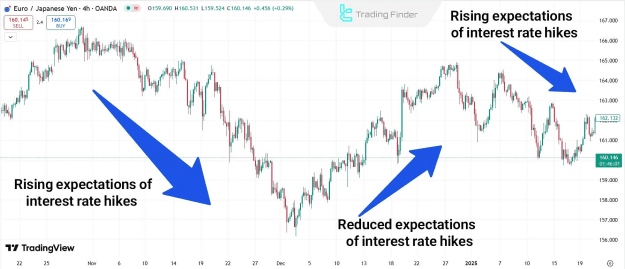
The BOJ's prolonged negative rate policy created massive yen weakness, only reversed when hints of policy normalization emerged. This demonstrated how expectations alone can move markets before actual changes occur.
Strategic Implications for Traders and Investors
Successful market participants:
- Monitor central bank calendars religiously
- Distinguish between anticipated and actual rate moves
- Understand intermarket relationships (stocks/bonds/currency)
- Watch for policy divergence between major economies
Conclusion
Navigating the Rate Cycle
Interest rates remain the most powerful tool in central bank arsenals, with effects permeating every asset class. While traditional relationships generally hold, recent years have shown that global interconnectedness and unconventional policies can create unexpected outcomes.
For market participants, staying informed through reliable sources like central bank communications and economic calendars is essential for anticipating and reacting to interest rate-driven market movements. The difference between success and failure often lies in correctly interpreting the pace and magnitude of coming rate changes rather than just their direction.