

TP & SL Tool: Risk Reward Ratio Calculator RRR MT4 | Prop Firm Protector: Trade Assist Prop Firm Plus TF Expert MT4 | Money Management + DrawDown Protector: Trade Panel Prop Firm Drawdawn Limiter Pro MT4 |Get a free Expert Advisor license via Telegram and WhatsApp
Why ICT Differs From Traditional Trading
- Focuses on market microstructure rather than indicators
- Reveals institutional order flow and liquidity pools
- Explains price manipulation techniques used by Smart Money
Core ICT Trading Pillars
1. Market Structure Analysis
The foundation of ICT trading involves identifying:
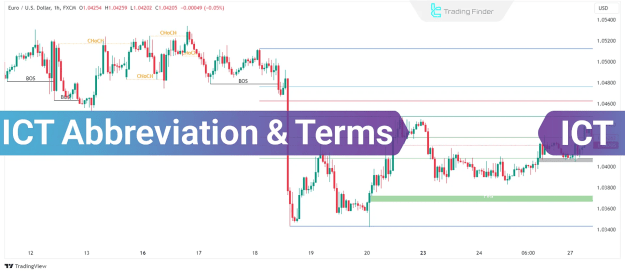
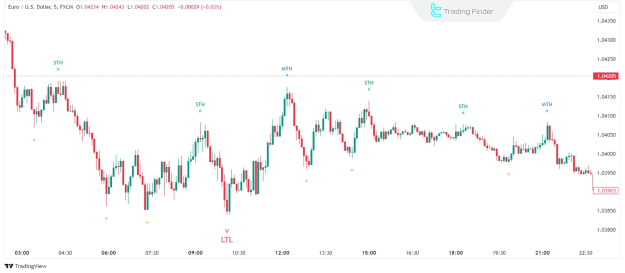
- Break of Structure (BOS): When price establishes new highs/lows
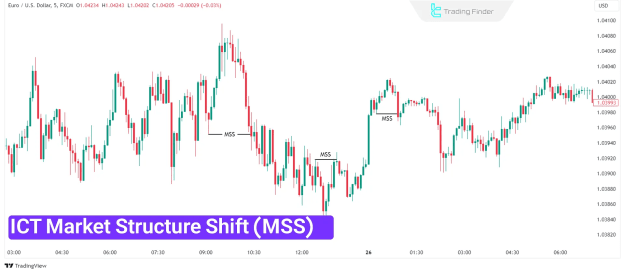
- Market Structure Shifts (MSS): Key reversal confirmation points
- Change of Character (CHoCH): Sudden momentum changes
2. Liquidity Concepts
Institutions constantly hunt for:
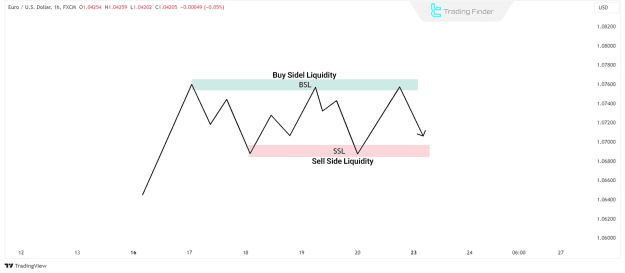
- Buy-side liquidity (BSL): Cluster of buy stops above price
- Sell-side liquidity (SSL): Concentration of sell stops below price
- Liquidity voids: Untraded price zones that attract rapid moves
3. Order Blocks & Fair Value Gaps
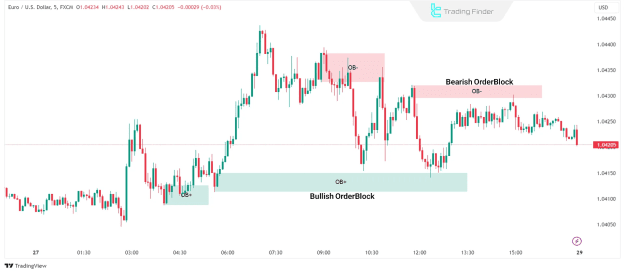
- Order Blocks (OB): Historical areas where big players entered trades
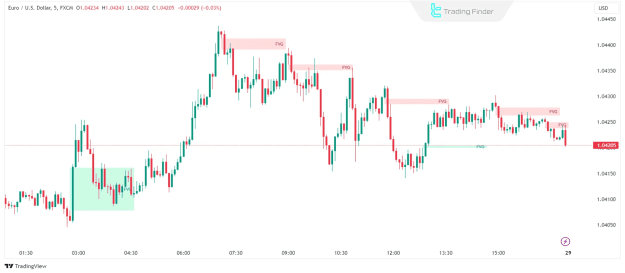
- Fair Value Gaps (FVG): Imbalance zones that price must revisit
- Mitigation Blocks: Risk management zones for institutions
The Institutional Trading Algorithm
The Power of Three (PO3) Model
- Accumulation Phase: Smart Money builds positions
- Manipulation Phase: Price hunts for liquidity
- Distribution Phase: Institutions take profits
Key Trading Sessions
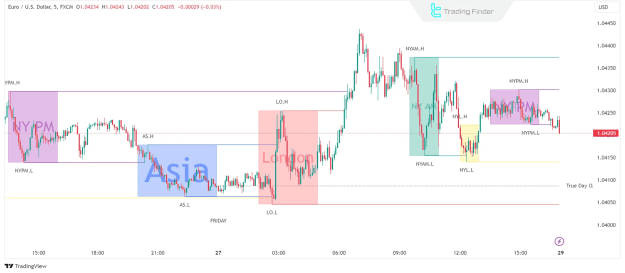
- London Kill Zone (2-5 AM EST): Highest volatility period
- New York Open (8-11 AM EST): Institutional order execution
- Asian Session (7 PM-3 AM EST): Creates daily ranges
Advanced ICT Trading Strategies
Optimal Trade Entry (OTE) System
- Uses Fibonacci retracements (62%-79%)
- Combines with order block confirmation
- Requires liquidity analysis for validation
High-Probability Setups
- Judas Swing: Fake breakout trapping retail traders
- Silver Bullet: Precise reversal at key levels
- Turtle Soup: Counter-trend liquidity grab
Implementing ICT in Your Trading
Daily Trading Routine
- Analyze higher timeframe structure
- Identify daily liquidity levels
- Wait for institutional confirmation
- Execute at optimal Fibonacci levels
Risk Management Essentials
- Always trade with 1:2+ risk-reward ratio
- Use stop losses beyond liquidity pools
- Scale positions using institutional sizing models
Mastering the ICT Mindset
Successful ICT traders:
 Think in probabilities not predictions
Understand market maker motives
Trade less but higher quality setups
Maintain emotional discipline
By internalizing these ICT principles, traders gain an institutional edge in today's complex financial markets.
Conclusion
Transforming Your Trading With ICT Principles
The ICT methodology provides traders with an unprecedented advantage by:
Decoding institutional behavior - Understanding how banks and hedge funds actually move markets
Identifying high-probability setups - Focusing only on trades with institutional confirmation
Mastering market structure - Reading price action through the lens of Smart Money
Developing professional discipline - Trading less but with greater precision
Implementing ICT Successfully Requires:
- Patience - Waiting for optimal institutional setups
- Practice - Backtesting concepts across market conditions
- Persistence - Sticking to the methodology during drawdowns
By internalizing these ICT concepts and maintaining strict discipline, retail traders can finally compete on equal footing with institutional players. The methodology doesn't just provide trading signals - it offers a complete framework for understanding how financial markets truly operate at the highest levels.