

Key Tips for Buying NFTs
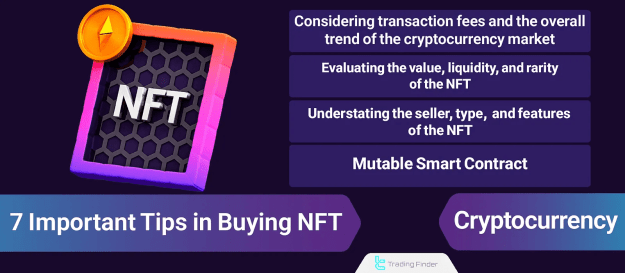
Successful NFT investment hinges on comprehensive research and understanding the various facets of the digital asset. Here are the most important considerations:
- Knowing the Product and the Seller: Verify the authenticity of the NFT project and the credibility of its development team. Many fraudulent projects are created by anonymous individuals who disappear post-sale, leaving investors with worthless assets. The development team's ongoing involvement is vital for an NFT's credibility, price, future updates, and overall development.
- Understanding NFT Types and Features: NFTs come in diverse forms, each with unique characteristics and potential applications.
- Mutability of the NFT Smart Contract: Investigate whether the smart contract governing the NFT can be altered.
- Overall Cryptocurrency Market Trends: Recognize that the NFT market is closely linked to the broader cryptocurrency ecosystem.
- Evaluating NFT Liquidity: Assess how easily an NFT can be bought or sold without significantly affecting its price.
- Assessing Token Value and Rarity: Determine an NFT's intrinsic and market value by analyzing its scarcity and other contributing factors.
- Considering Transaction Fees: Account for all associated costs when purchasing an NFT.
In-depth Analysis of NFT Investment Factors
1. Knowing the Product and the Seller
The proliferation of fake NFT projects and scammers necessitates thorough due diligence. It's common for development teams to vanish after an initial sale, abandoning the project. Therefore, understanding the seller and the development team is paramount. Their continued involvement is crucial for the NFT's credibility, price stability, ongoing development, and future updates.
2. Understanding the Types and Features of NFTs
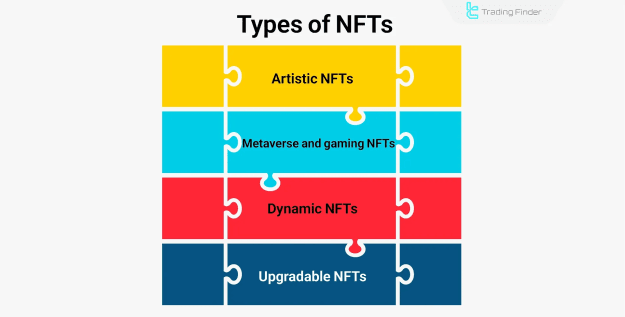
NFTs are categorized by their utility and characteristics. Key types include:
- Artistic NFTs: Digital art and content, often supporting royalties for creators.
- Metaverse and Gaming NFTs: In-game items and virtual assets used within digital environments.
- Dynamic NFTs: NFTs whose features and data evolve based on real-world events.
- Upgradable NFTs: These allow developers or owners to implement manual changes to their characteristics.
3. Mutability of the NFT Smart Contract
The underlying smart contract dictates an NFT's behavior, particularly concerning its royalties and other features. Smart contracts are generally either mutable or immutable:
- NFTs with mutable smart contracts: These contracts can be modified, typically by the developer or contract owner. It's crucial for any potential edits to be clearly stated within the contract to avoid unexpected changes that could impact the token's price.
- NFTs with immutable smart contracts: Features like royalties are permanently embedded and cannot be altered, providing greater certainty for investors.
4. Paying Attention to the Overall Trend of the Crypto Market
NFT prices are significantly influenced by the broader cryptocurrency market and the larger blockchain ecosystem. Consequently, investors should monitor macroeconomic conditions and factors impacting the fundamental analysis of cryptocurrencies as these directly affect NFT valuations.
5. Evaluating NFT Liquidity
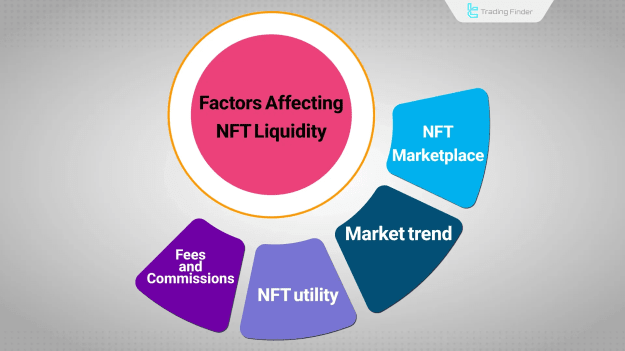
NFT liquidity refers to the ease with which an NFT can be converted into cash without a substantial loss in value. Several factors influence liquidity:
- NFT Marketplaces: Highly active platforms like OpenSea and Rarible offer greater liquidity due to higher transaction volumes.
- Market Trends: NFTs from trending collections (e.g., Bored Ape Yacht Club) often experience higher demand and, consequently, greater liquidity.
- NFT Utility: NFTs with practical applications, such as those used in metaverses or blockchain games, generally exhibit higher liquidity.
- Fees and Costs: Lower transaction fees positively contribute to an NFT's liquidity.
6. Evaluating Token Value and Rarity
Beyond price and type, assessing an NFT's rarity is essential for determining its true value. Tools like Rarity Tools or NFT Stats can aid in this analysis. Key factors in evaluating an NFT's value include:
- Collection Popularity: The development team's updates, execution, partnerships, and community engagement significantly impact an NFT's value, alongside its overall popularity and social media presence.
- Transaction History: Rising prices may indicate value growth, high trading volumes suggest strong demand, and celebrity involvement can substantially influence value.
- Token Utility: Many NFTs offer practical applications beyond mere artistic appeal, such as access to exclusive communities or events or functionality within blockchain games or metaverses.
- Rarity Evaluation: Rarity is a primary price determinant. Factors like total supply and unique features (e.g., specific colors or designs) contribute to an NFT's rarity level, with tools like Rarity.tools ranking NFTs accordingly.
7. Considering Transaction Fees
Buyers incur various fees when purchasing NFTs:
- Network Transaction Fees: These depend on the specific blockchain network, prevailing network traffic, and desired transaction speed. Faster confirmations typically incur higher fees.
- Platform Fees: Most NFT marketplaces charge fees from both the buyer and the seller.
- Wallet Transfer Fees: These vary based on the blockchain used; for example, Ethereum often has higher fees compared to other networks.
Conclusion
When venturing into NFT investments, it is imperative to consider a comprehensive range of factors. This includes diligently researching the seller's identity and the asset's authenticity, assessing the token's value and rarity, evaluating its liquidity, understanding all associated transaction costs, and paying close attention to the overall trend of the crypto market and broader macroeconomic conditions. Furthermore, staying informed about trending games or topics and monitoring the NFT's trading volume are additional influential aspects that investors should prioritize to make informed decisions.