

This innovative model increases liquidity, lowers entry barriers, and makes property investment more accessible to global investors—principles aligned with the forex market, where cross-border accessibility and efficient transactions define success.
According to the forex article , these same characteristics—high liquidity, decentralized trading, and low capital requirements—have made foreign exchange one of the most accessible financial markets in the world, paralleling the benefits now offered through real estate tokenization.
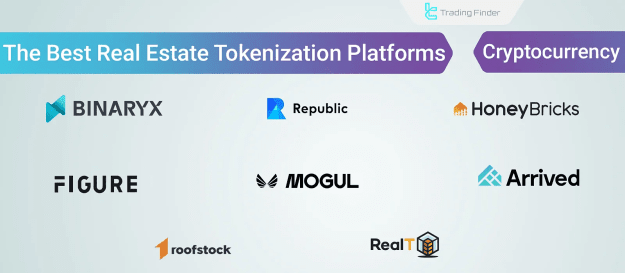
Each token represents a fractional share in a property and can be traded on blockchain-powered platforms like BinaryX, Republic, and HoneyBricks, much like how traders buy and sell currencies on leading forex platforms.
What Is Real Estate Tokenization and How Does It Work?
Real estate tokenization is the digital transformation of physical property into blockchain-based tokens. These tokens are issued through smart contracts, enabling transparent, secure, and streamlined transactions. Each token corresponds to a specific portion of a property and provides access to ownership benefits such as rental income and value appreciation.
Key Benefits of Tokenized Real Estate
- Increased liquidity in traditionally illiquid real estate markets
- Global investment access with minimal capital outlay
- Simplified asset management via blockchain infrastructure
- Enhanced security and transparency through decentralized networks
Pros and Cons of Real Estate Tokenization
While the tokenization model introduces notable benefits, it also brings certain challenges. Here is a balanced overview:
Pros
- Low-entry barrier for real estate investing
- Efficient investment tracking and portfolio management
- Reduced transaction costs and minimized human error
- Immutable transaction records with blockchain transparency
- Fractional ownership without full property acquisition
Cons
- Potential security risks related to digital token storage
- Regulatory uncertainty in certain jurisdictions
- Lack of uniform financial reporting standards
- Platform and network fees that may reduce net returns
Top Real Estate Tokenization Platforms
Several digital platforms are pioneering the real estate tokenization movement. Below is a breakdown of the top contenders:
BinaryX
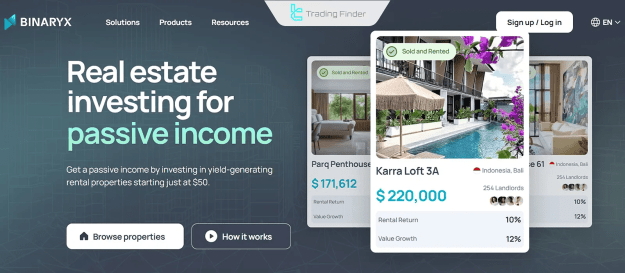
BinaryX is a user-friendly platform ideal for individual investors entering the tokenized property market. It enables digital real estate trading with a low minimum investment of $50.
- Daily rental income distributed in USDT
- Designed for retail investors seeking accessible entry points
Republic
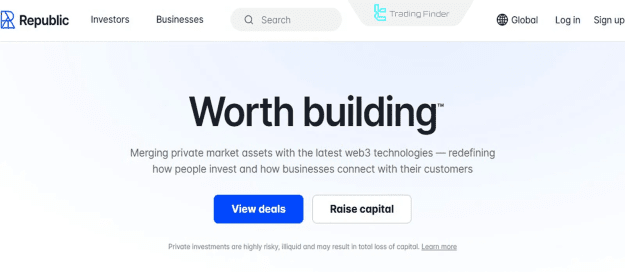
Headquartered in New York, Republic supports diversified investment opportunities, including real estate, startups, and digital assets. With a minimum investment requirement of $50, it appeals to both newcomers and seasoned investors.
- Features include Automated Investing and Accredited Deal Rooms
- Tailored for a broad investor demographic
HoneyBricks
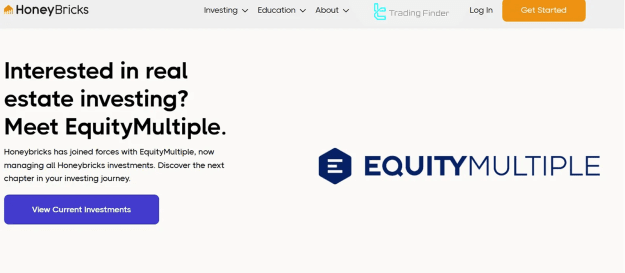
Founded in 2022 and based in San Francisco, HoneyBricks focuses on commercial real estate tokenization in the U.S. The platform emphasizes direct ownership and offers tax-efficient investment structures.
- Built on blockchain for full transparency
- Prioritizes flexibility and investor control
Figure
Launched in 2018 by Mike Cagney, Figure integrates blockchain with traditional finance through its Provenance platform. It specializes in lending, asset management, and real estate financing.
- Offers loans from $15,000 to $400,000
- Provides up to 30-year repayment options
- Streamlines administrative processes via blockchain
Mogul
Mogul uses data analysis and a selective approval process, accepting fewer than 1% of property applications. It distributes monthly rental income and requires no management duties from investors.
- Minimum investment starts at $250
- Blockchain automation ensures high transparency
Arrived
Founded in 2019, Arrived provides access to professionally managed rental properties and passive income opportunities. It targets entry-level investors looking to diversify.
- Offers fractional ownership with low capital
- Filters properties using construction year and quality criteria
- Designed for hands-free, long-term income generation
Roofstock
Operating from Oakland, CA, Roofstock was established in 2015 by Gary Beasley, Gregor Watson, and Rich Ford. It offers a marketplace for rental property acquisition and management.
- Over $6 billion in real estate transactions completed
- Allows for direct property ownership with remote management
RealT
Founded in 2019, RealT allows users to invest in U.S. properties through the Ethereum blockchain. By 2025, the platform had tokenized over 400 properties valued at $83 million.
- Offers fully digitized ownership and income distribution
- Integrated within the Ethereum DeFi ecosystem
Conclusion
Real estate tokenization introduces a transformative model for global investors to gain property exposure with as little as $50. By leveraging blockchain, these platforms offer fractional ownership, transparent transactions, and passive income potential, mirroring the innovation seen in forex markets. As blockchain adoption continues to grow, tokenized real estate stands as a compelling opportunity for both retail and institutional investors alike.