



In binary options trading, selecting the right tool from a set of Effective Indicators for Binary Options Trading is crucial for identifying optimal entry zones and determining the appropriate expiration time. The application of indicators in binary options often diverges from their use in other trading methodologies. For instance, the RSI indicator, while used for long-term trends in traditional markets, is employed in binary options to detect quick entries for short-term trades.
What Is a Binary Option Indicator?
Most binary option indicators primarily or secondarily rely on simple and exponential moving averages to analyze market dynamics and generate trading signals.
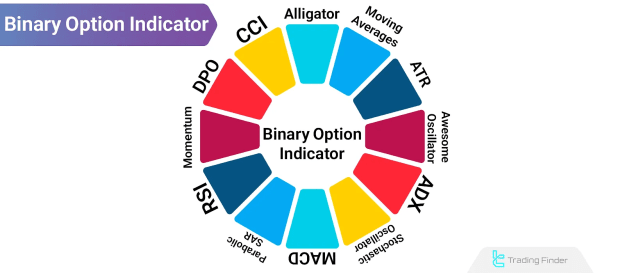
Introducing 15 Suitable Indicators for Binary Options Trading
In binary options, indicators serve diverse analytical functions, including trend confirmation, identifying reversal points, assessing trend strength, detecting breakouts, and pinpointing overbought and oversold zones.
Alligator
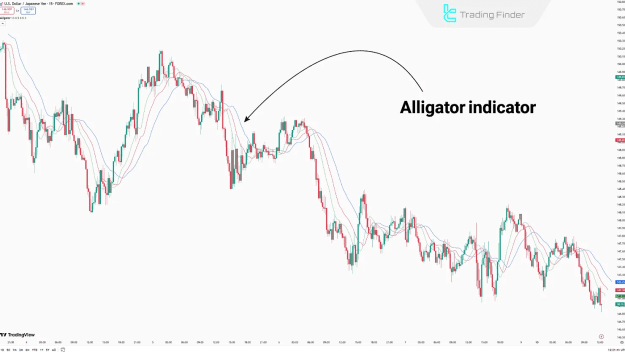
The Alligator indicator demonstrates superior performance in trending markets, such as Forex and commodities. The expansion or contraction of the indicator’s lines facilitates the identification of market trends, thereby assisting in determining the optimal time for entering binary option trades.
Moving Averages
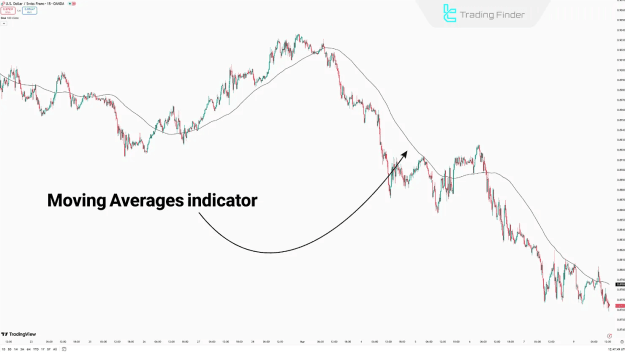
Unlike the Forex market, the Moving Average indicator in binary options is predominantly utilized for generating fast entry and exit signals. The crossing of moving averages provides a clear signal for trade execution.
ATR
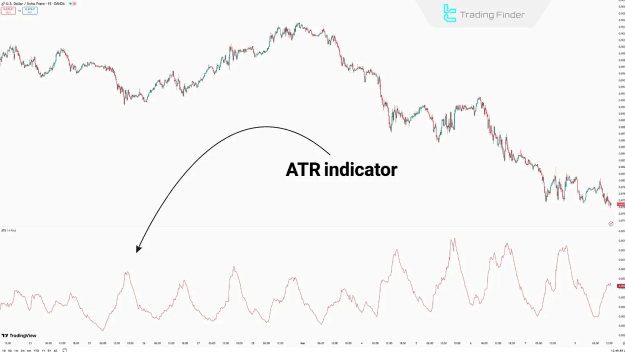
The ATR indicator is particularly effective in highly volatile markets, including cryptocurrency and commodities. In binary options, real-time market volatility is a critical factor in timing trade entries. ATR measures volatility strength, making it invaluable for precise timing.
Awesome Oscillator
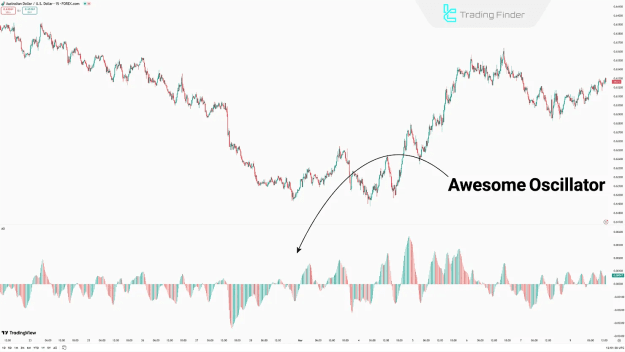
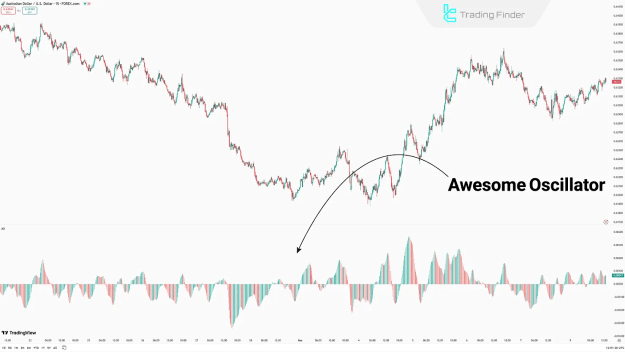
The Awesome Oscillator is effective for early trend reversal detection. When the AO line crosses above the zero line, it issues a robust entry signal. While often used for long-term trades in other strategies, in binary options, this indicator is applied to short-term trades.
ADX
In binary options, trading in a range-bound or trendless market significantly reduces success rates. An ADX value exceeding 25 signifies a strong trend and a favorable trading environment. It's important to note that ADX is exclusively used to identify trend strength, not to provide entry signals.
Stochastic Oscillator
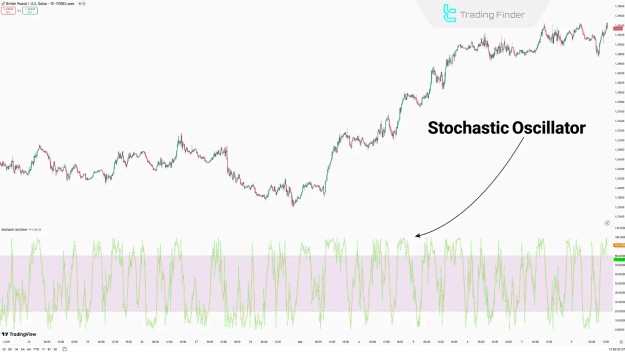
The Stochastic Oscillator rapidly detects overbought and oversold levels on lower timeframes. In ranging markets, oscillations between the 80 and 20 levels generate effective entry signals. This indicator is valuable for identifying short-term reversal moves.
MACD
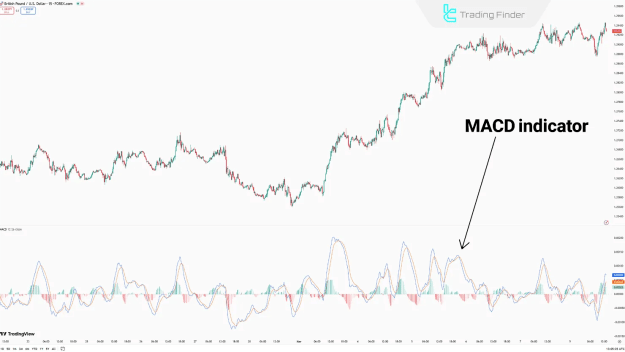
The crossover of the MACD line and the signal line provides strong entry signals in binary options. It can also be utilized to identify overbought and oversold conditions and subsequently issue entry signals.
RSI
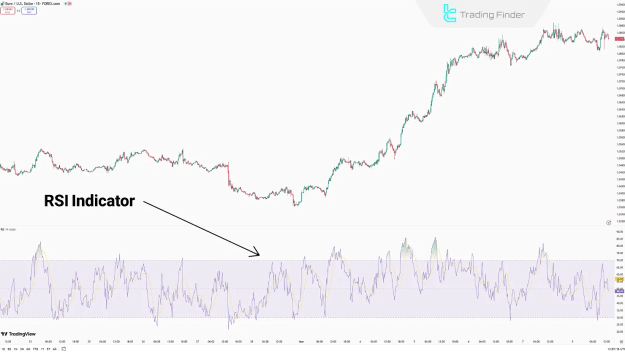
In binary options, the RSI indicator is primarily used on 1 to 5-minute timeframes. An RSI move above 70 generates a sell signal, while a drop below 20 provides a buy signal. Combining this indicator with other technical analysis methods, such as classical chart patterns, enhances the reliability of trade signals.
Parabolic SAR
In binary options, the Parabolic SAR functions as a trend-confirmation indicator. When the indicator's dots transition from top to bottom, it provides a Call signal. Conversely, if they move from bottom to top, a Put signal is generated.
Momentum
When the Momentum indicator crosses above the 100 level, it signals the commencement of a strong price move. In binary options, it is favored for fast entries, especially on low timeframes, due to its minimal lag. It performs optimally in volatile markets like Forex and cryptocurrency.
CCI
When the CCI indicator moves above the +100 level, it signifies overbought conditions and issues a PUT signal. If it drops below -100, it indicates oversold conditions and suggests a CALL trade. This indicator is more effective on 1 to 15-minute timeframes compared to longer ones.
DPO
The Detrended Price Oscillator (DPO) eliminates long-term trends, focusing on short-term cycles, making it suitable for short-term binary option trades. When the DPO reaches high positive levels, it signals overbought conditions and a PUT signal. Conversely, it indicates oversold conditions and a CALL signal when it falls to low negative levels.
Pivot Point
This indicator calculates support and resistance levels based on historical candle data, aiding in the identification of potential reversal zones. When the price approaches the main Pivot level and is accompanied by reversal candles, it signals either a CALL or PUT trade depending on the direction.
Bollinger Bands
This indicator forms two bands around the price using two moving averages and is commonly employed to identify overbought and oversold conditions in binary options. When the price touches or breaks above the upper band, it signals overbought conditions and a PUT trade. If it touches or breaks below the lower band, it indicates oversold conditions and a CALL trade.
Williams %R
This indicator evaluates price fluctuations based on the highest and lowest prices over a specified period. When the value drops below -80, it indicates oversold conditions and triggers a CALL signal. If it rises above -20, it reflects overbought conditions and signals a PUT trade.
Advantages and Disadvantages of Using Indicators in Binary Options
Employing indicators in binary options facilitates the generation of quick entry and exit signals. However, the possibility of signal errors always exists.
Advantages:
What Is a Binary Option Indicator?
Most binary option indicators primarily or secondarily rely on simple and exponential moving averages to analyze market dynamics and generate trading signals.
Introducing 15 Suitable Indicators for Binary Options Trading
In binary options, indicators serve diverse analytical functions, including trend confirmation, identifying reversal points, assessing trend strength, detecting breakouts, and pinpointing overbought and oversold zones.
Alligator
The Alligator indicator demonstrates superior performance in trending markets, such as Forex and commodities. The expansion or contraction of the indicator’s lines facilitates the identification of market trends, thereby assisting in determining the optimal time for entering binary option trades.
Moving Averages
Unlike the Forex market, the Moving Average indicator in binary options is predominantly utilized for generating fast entry and exit signals. The crossing of moving averages provides a clear signal for trade execution.
ATR
The ATR indicator is particularly effective in highly volatile markets, including cryptocurrency and commodities. In binary options, real-time market volatility is a critical factor in timing trade entries. ATR measures volatility strength, making it invaluable for precise timing.
Awesome Oscillator
The Awesome Oscillator is effective for early trend reversal detection. When the AO line crosses above the zero line, it issues a robust entry signal. While often used for long-term trades in other strategies, in binary options, this indicator is applied to short-term trades.
ADX
In binary options, trading in a range-bound or trendless market significantly reduces success rates. An ADX value exceeding 25 signifies a strong trend and a favorable trading environment. It's important to note that ADX is exclusively used to identify trend strength, not to provide entry signals.
Stochastic Oscillator
The Stochastic Oscillator rapidly detects overbought and oversold levels on lower timeframes. In ranging markets, oscillations between the 80 and 20 levels generate effective entry signals. This indicator is valuable for identifying short-term reversal moves.
MACD
The crossover of the MACD line and the signal line provides strong entry signals in binary options. It can also be utilized to identify overbought and oversold conditions and subsequently issue entry signals.
RSI
In binary options, the RSI indicator is primarily used on 1 to 5-minute timeframes. An RSI move above 70 generates a sell signal, while a drop below 20 provides a buy signal. Combining this indicator with other technical analysis methods, such as classical chart patterns, enhances the reliability of trade signals.
Parabolic SAR
In binary options, the Parabolic SAR functions as a trend-confirmation indicator. When the indicator's dots transition from top to bottom, it provides a Call signal. Conversely, if they move from bottom to top, a Put signal is generated.
Momentum
When the Momentum indicator crosses above the 100 level, it signals the commencement of a strong price move. In binary options, it is favored for fast entries, especially on low timeframes, due to its minimal lag. It performs optimally in volatile markets like Forex and cryptocurrency.
CCI
When the CCI indicator moves above the +100 level, it signifies overbought conditions and issues a PUT signal. If it drops below -100, it indicates oversold conditions and suggests a CALL trade. This indicator is more effective on 1 to 15-minute timeframes compared to longer ones.
DPO
The Detrended Price Oscillator (DPO) eliminates long-term trends, focusing on short-term cycles, making it suitable for short-term binary option trades. When the DPO reaches high positive levels, it signals overbought conditions and a PUT signal. Conversely, it indicates oversold conditions and a CALL signal when it falls to low negative levels.
Pivot Point
This indicator calculates support and resistance levels based on historical candle data, aiding in the identification of potential reversal zones. When the price approaches the main Pivot level and is accompanied by reversal candles, it signals either a CALL or PUT trade depending on the direction.
Bollinger Bands
This indicator forms two bands around the price using two moving averages and is commonly employed to identify overbought and oversold conditions in binary options. When the price touches or breaks above the upper band, it signals overbought conditions and a PUT trade. If it touches or breaks below the lower band, it indicates oversold conditions and a CALL trade.
Williams %R
This indicator evaluates price fluctuations based on the highest and lowest prices over a specified period. When the value drops below -80, it indicates oversold conditions and triggers a CALL signal. If it rises above -20, it reflects overbought conditions and signals a PUT trade.
Advantages and Disadvantages of Using Indicators in Binary Options
Employing indicators in binary options facilitates the generation of quick entry and exit signals. However, the possibility of signal errors always exists.
Advantages:
- Filters out price noise
- Enables fast and simple decision-making
- Optimizes trade expiration timing
- Identifies market trends
- Highly compatible with other tools
Disadvantages:
- Signal delays
- False signals in ranging markets
- Requires combination with other tools
- Dependency on default settings
- Confusion from conflicting signals
Conclusion
Filtering out price noise is a primary benefit of utilizing indicators in binary options. However, their performance varies significantly depending on market conditions. For example, trend-following indicators like Moving Averages perform faster and more effectively in trending markets, making them suitable for determining optimal entry times in binary trading. In contrast, oscillators like RSI are more effective in range-bound markets.
Attached Image(s) (click to enlarge)
Attached File(s)
