
-
Gold overtakes US Treasury as world’s top reserve asset — due to relentless buying by central banks
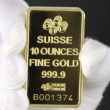
Gold has overtaken US Treasuries to become the world’s top reserve asset, signalling a major shift in the global financial landscape as central banks continue to increase their holdings of the precious metal amid geopolitical uncertainty, according to a new report by the European Central Bank (ECB). The ECB, in its June 2026 report titled ‘The International Role of the Euro,’ said the share of gold in total official reserves—comprising both foreign exchange and gold holdings—climbed to 27 per cent by the end of 2025. This pushed gold ahead of US Treasuries, which accounted for 22 per cent of official ... (full story)
- Comments / Top
- Subscribe
- Expand Replies Collapse Replies

CanIMakeCash
Jun 2, 2026 5:31pm
Permalink
thesaint9
Jun 2, 2026 5:47pm
Permalink
View 0 more replies to CanIMakeCash
Hide replies to CanIMakeCash

Pipfu
Jun 2, 2026 6:58pm
Permalink
thesaint9
Jun 2, 2026 5:41pm
Permalink
-
Related Stories


From kitco.com | Jun 2, 2026
Gold continues to assert its dominance in global financial markets as an important monetary asset, with the European Central Bank highlighting a significant milestone for the precious metal. In its annual report examining the international role of the euro, the ECB noted that although central bank gold demand slowed last year, it was still enough to push ...
From morningstar.com | Jun 2, 2026
The share of gold in total official foreign reserves - comprising both foreign exchange and gold holdings - had increased to 27% at the end of 2025, moving ahead of U.S. Treasurys at 22%. Share of central-bank holdings by asset. The move was driven by valuation effects - gold purchases actually slowed down last year, but prices (GC00) surged. Using 2023 ...

From vtmarkets.com | Jun 2, 2026
Gold has struggled to keep pace with other commodities as tight global energy markets and rapidly shifting central bank expectations reshape market positioning. Ongoing US–Iran tensions have not translated into the usual lift for safe-haven assets; instead, higher oil prices and a more hawkish tilt from most central banks have weighed on the metal. Some ...
