
-
Aluminum Prices Surge as Supply Shock Fears Grip the Market

Aluminum prices in London are up nearly 17% since the onset of the U.S.-Iran conflict, as a growing chorus of top commodity desks, including Mercuria, Goldman, JPMorgan, and others, warn that the market is facing a major supply shock. That disruption, driven firstly by Middle East smelter outages and the Hormuz maritime chokepoint, is now colliding with new concerns that China may be forced to curtail output amid energy-use and emissions inspections, according to Bloomberg. Chinese authorities are now moving to rein in that over- production as inventories swell. A smelter in Baise, Guangxi province, has already cut ... (full story)
- Comments / Top
- Subscribe
-
- Older Stories
 From kitco.com|May 27, 2026
The silver market continues to struggle, with prices stuck below $75 an ounce, and although prices could move higher by year-end, one bank is warning investors that the precious ...
 From charleshughsmith.blogspot.com|May 27, 2026
The media / social media are ablaze with coverage and commentary on this K-shaped economy, for example: The Stock Market Has Never Been So Good When People Have Felt So Bad: ...
 From @financialjuice|May 27, 2026|51 comments
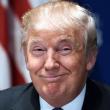
Trump: We have things understood now with Iran. *TRUMP: NEW GROUP OF IRAN LEADERS MORE REASONABLE

-
- Newer Stories
 From federalreserve.gov|May 27, 2026|1 comment
Thank you, Neale, for that kind introduction. Being back on Stanford's campus is always an honor and conjures up great memories. I spent several formative years here—first as a student in the AEA Summer Program, which prepares students to pursue graduate study in economics, and then as a National Fellow at the Hoover Institution. To say that these stints at Stanford were transformative would be an understatement. The summer program prepared me for and set me on a new intellectual and career journey, and my three years here as a postdoc set out an entirely new line of research inquiry. In fact, I started my research on patents and innovation or the economics of innovation here and benefitted greatly from my interaction with economists here at the Stanford Institute for Economic Policy Research (SIEPR), the economics department, the business school, the law school, and Hoover, including Kenneth Arrow, Tim Bresnahan, Jeremy Bulow, Milton Friedman, Avner Grief, Mitch Polinsky, Paul Romer, and Gavin Wright. From my decade spent in the Bay Area—here and at Berkeley, I witnessed how seriously new ideas are taken, examined, implemented, and spread. It is always invigorating to return to such a center of innovation.1 I applaud SIEPR for holding this event to discuss artificial intelligence (AI) and its power to influence the trajectory of the economy and transform the financial system. I know many in this room are grappling with how to harness this technology's obvious multidimensional promise while being mindful of important risks. Having adopted machine learning in the AEA Summer Program in 2018 when I was director and having used it in my research before coming to the Fed, I arrived at the Board of Governors in 2022 raising questions about and urging the study and adoption of AI. So, rest assured, policymakers at the Federal Reserve are also deeply engaged. Today, I will start by offering my latest economic outlook, with a focus on implications of AI for both sides of our dual mandate of maximum employment and price stability. Then, consistent with my long-standing support for responsible innovation, I will address the benefits AI could deliver for the financial system before addressing some of the risks and vulnerabilities the technology presents to financial stability. I will conclude by sharing how the Fed itself is embracing the power of AI to help ensure the financial system remains sound and resilient. FED'S COOK: INFLATION IS CLEARLY MOVING IN WRONG DIRECTION. RIGHT COURSE OF ACTION IS TO HOLD RATES STEADY FED'S COOK SAID THE FED IS PREPARED TO RAISE RATES IF DISINFLATION FAILS TO APPEAR, BUT WOULD ALSO BE READY TO CUT RATES IF THE LABOR MARKET DETERIORATES, WHILE WARNING THAT AI-DRIVEN JOB LOSSES COULD COME BEFORE FUTURE PRODUCTIVITY GAINS.
 From cnbc.com|May 27, 2026
After intense backlash following the reveal of Ferrari’s first all-electric vehicle, the Luce, the CEO of rival luxury vehicle maker Lamborghini said canceling his company’s EV ...
 From @financialjuice|May 27, 2026|1 comment
RBNZ's Governor Breman: Weak labor market will suppress wage growth. - RBNZ Governor Breman indicates a sluggish labor market - Anticipates continued suppression of wage growth - Economic implications may affect consumer spending and inflation trends
- Story Stats
- May 27, 2026 2:20pm Posted byFundamental Analysis93
- Instruments:
