
-
Canada to Lift Tariffs on Many U.S. Goods, Keeps Steel, Aluminum, and Auto Tariffs

Canada will remove retaliatory tariffs on a wide range of U.S. goods that comply with the US-Mexico-Canada Agreement (USMCA), while maintaining levies on U.S. autos, steel, and aluminum. Prime Minister Mark Carney is expected to announce the policy shift Friday following a cabinet meeting. • Canada’s move aligns its tariff policy more closely with U.S. measures, easing tensions with the Trump administration. • 25% tariffs will remain on U.S. steel, aluminum, and automobiles. • The shift comes ahead of the scheduled review of the USMCA trade deal. • Canada’s earlier counter-tariffs included 25% duties on ... (full story)
- Comments / Top
- Subscribe
Trader#7416
Aug 22, 2025 11:22am
Permalink
-
Related Stories

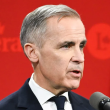

Canada Will Lift Its Counter Taris On All U.S. Goods Covered By U.S.-Mexico-Canada Agreement, Says Prime Minister Mark Carney CARNEY SAYS CANADA CURRENTLY HAS THE BEST TRADE DEAL WITH THE UNITED STATES; IT IS IMPORTANT WE DO EVERYTHING CAN TO PRESERVE CANADA'S ADVANTAGE CANADA WILL RETAIN TARIFFS ON STEEL, ALUMINUM AND AUTOS AS WE WORK INTENSIVELY WITH THE U.S. TO RESOLVE THE ISSUES THERE.- CARNEY… Canada's PM Carney: The decision to remove counter tariffs on all US goods covered by the USMCA will take effect on September 1st, 2025.


Over the course of this year, the U.S. economy has shown resilience in a context of sweeping changes in economic policy. In terms of the Fed's dual-mandate goals, the labor market remains near maximum employment, and inflation, though still somewhat elevated, has come down a great deal from its post-pandemic highs. At the same time, the balance of risks appears to be shifting. In my remarks today, I will first address the current economic situation and the near-term outlook for monetary policy. I will then turn to the results of our second public review of our monetary policy framework, as captured in the revised Statement on Longer-Run Goals and Monetary Policy Strategy that we released today. Current Economic Conditions and Near-Term Outlook When I appeared at this podium one year ago, the economy was at an inflection point. Our policy rate had stood at 5-1/4 to 5-1/2 percent for more than a year. That restrictive policy stance was appropriate to help bring down inflation and to foster a sustainable balance between aggregate demand and supply. Inflation had moved much closer to our objective, and the labor market had cooled from its formerly overheated state. Upside risks to inflation had diminished. But the unemployment rate had increased by almost a full percentage point, a development that historically has not occurred outside of recessions. Over the subsequent three Federal Open Market Committee (FOMC) meetings, we recalibrated our policy stance, setting the stage for the labor market to remain in balance near maximum employment over the past year (figure 1). *POWELL: SHIFTING BALANCE OF RISKS MAY WARRANT ADJUSTING POLICY *POWELL: SITUATION SUGGESTS DOWNSIDE RISKS TO EMPLOYMENT RISING ?*POWELL: WON'T ALLOW ONE-TIME INCREASE TO BECOME ONGOING PROBLEM *POWELL: LABOR-MARKET STABILITY ALLOWS US TO PROCEED CAREFULLY *POWELL: LABOR SUPPLY HAS SOFTENED IN LINE WITH DEMAND *POWELL: SHORT-LIVED TARIFF PRICE EFFECTS A REASONABLE BASE CASE The highlights from Powell's speech pic.twitter.com/UPRNAZzV85

Reports Canada Will Apply Tariff Exemption On Many US Products Under USMCA - To Remove Retaliatory Tariffs On Many US Goods
