

TP & SL Tool: Risk Reward Ratio Calculator RRR MT5 | Prop Firm Protector: Trade Assist Prop Firm Plus TF Expert MT5 | Money Management + DrawDown Protector: Trade Panel Prop Firm Drawdawn Limiter Pro MT5 |Get a free Expert Advisor license via Telegram and WhatsApp
This guide explores:
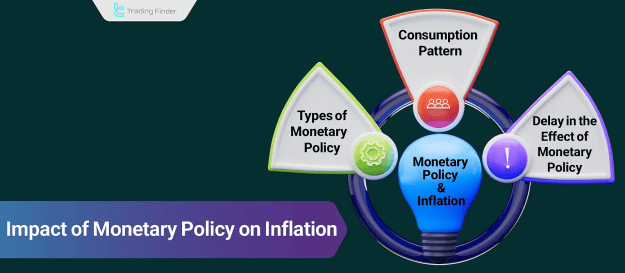
- Types of monetary policy (expansionary vs. contractionary)
- Key tools (interest rates, open market operations, reserve requirements)
- Real-world examples of policy impacts on inflation
- Time lags in policy effectiveness
- Sector-specific effects on the economy
What Is Monetary Policy?
Monetary policy refers to actions taken by a central bank to achieve price stability and maximum employment—its dual mandate. These policies influence economic growth, inflation, and financial markets through three primary tools:
- Interest Rates – The cost of borrowing money, adjusted to control spending and investment.
- Open Market Operations (OMOs) – Buying or selling government securities to regulate money supply.
- Reserve Requirements – The percentage of deposits banks must hold, affecting lending capacity.
Central banks adopt either expansionary (stimulative) or contractionary (restrictive) policies based on economic conditions.
Expansionary vs. Contractionary Monetary Policy
Expansionary Monetary Policy
- Objective: Stimulate economic growth, reduce unemployment
- Tools: Lowering interest rates, quantitative easing (QE), reducing reserve requirements
- Effect on Inflation: Increases inflation by boosting money supply
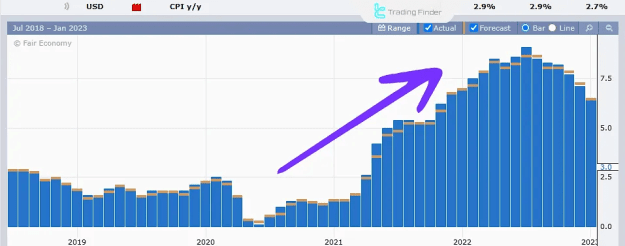
- Example: The Federal Reserve’s 2020 response to COVID-19 led to inflation peaking at 9%.
Contractionary Monetary Policy
- Objective: Curb inflation, stabilize prices
- Tools: Raising interest rates, selling securities, increasing reserve ratios
- Effect on Inflation: Reduces inflation by tightening money supply
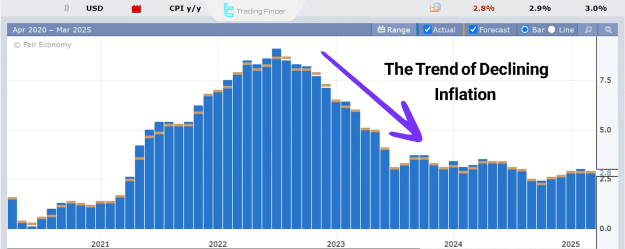
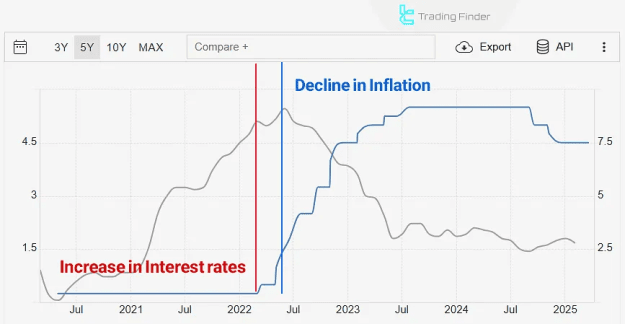
- Example: The Fed’s 2022 rate hikes brought inflation down from 9% to 2%.
How Monetary Policy Affects Inflation
The Transmission Mechanism
- Interest Rate Adjustments → Influence borrowing costs.
- Liquidity Changes → Impact consumer spending and business investment.
- Demand Shifts → Affect price levels (inflation/deflation).
Why There’s a Time Lag
- Existing Loans: Fixed-rate loans delay the impact of new rates.
- Consumer Behavior: Spending habits adjust gradually.
- External Factors: Supply shocks (e.g., oil prices) may offset policy effects.
Sectoral Impacts of Monetary Policy
- Interest-Sensitive Sectors (Housing, Autos): Highly affected by rate changes.
- Luxury Goods: Demand drops during contractionary phases.
- Essential Goods (Utilities, Healthcare): Less impacted due to inelastic demand.
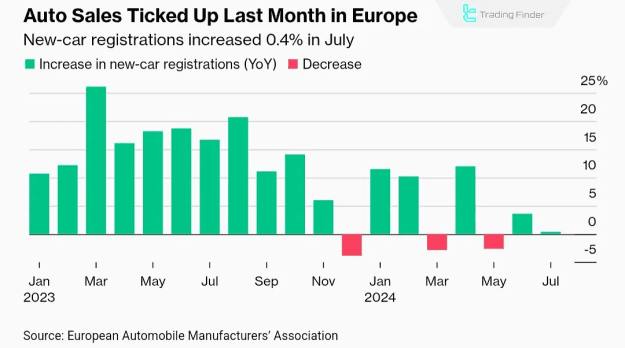
Case Study: Auto Industry Slowdown (2022-2024)
Contractionary policies reduced demand for high-value purchases, leading to a decline in European electric vehicle registrations.
Key Takeaways
- Monetary policy is a powerful tool for controlling inflation but operates with a lag.
- Expansionary policies boost growth but risk high inflation.
- Contractionary policies stabilize prices but may slow economic activity.
- Sector-specific effects must be considered for investment strategies
Conclusion
Central banks use monetary policy tools, including interest rates and open market operations, to control inflation and stabilise the economy. However, the impact of these policies is delayed due to:
- The gradual transmission of new interest rates;
- External market factors;
- Shifts in consumer and producer behaviour.
Understanding these dynamics is essential for analysing economic cycles and identifying potential booms or recessions across various sectors.